
Jinan Itech Machinery - a Professional Plasma Cutting Machine Manufacturer
Founded in 2003, we are a high-tech enterprise integrating R&D, design, production, maintenance and marketing. We have a high level of professionalism and service system.
Variety of Products
We can provide customers with fiber laser cutting machines, plasma cutting machines, metal plate laser cutting machines, plate and pipe laser cutting machines, pipe laser cutting machines, enclosed fiber laser cutting machines and other products. They can be used for cutting a variety of plates and pipes.
Rich Market Experience
Our products are sold to more than 120 countries and regions including the United States, Canada, Australia, Europe, Southeast Asia, and Africa. At the same time, we have provided OEM services to more than 30 manufacturers.
Professional Service
We provide 24-hour service, 365 days a year, including design, installation, training and maintenance. We provide pre-sales and mid-sales services in a one-to-one model by professional sales managers. For after-sales service, we also have English-speaking engineers in a one-to-one model.
Multiple Honors
In 2013, our company was awarded the title of "Advanced Woodworking Machinery Manufacturing Enterprise" by the China Machinery Industry Association. In 2016, we were rated as "Service Star of International Trade Industry" by Shandong Provincial International Trade Organization.
-

Plasma Metal Cutting Machine
Plasma cutting is a process that cuts through electrically conductive materials by means of an Add to Inquiry -
CNC Plasma Cutter
-Working Area: 1500m x 3000mm. -Power Supply: 160A Huayuan. -Transmission: Gear-wheel transmission. Add to Inquiry -
CNC Plasma Tube Cutter
-Working Area: 1500m x 3000mm Add to Inquiry -
Metal Plasma Cutting Machine
-Working Area: 1500m x 3000mm. -Power Supply: 160A Huayuan. -Transmission: Gear-wheel transmission. Add to Inquiry -
Thick Metal Laser Cutting Machine
-Working Area: 1500m x 3000mm. -Power Supply: 160A Huayuan. -Transmission: Gear-wheel transmission. Add to Inquiry -
CNC Plasma Cutter
-Working Area: 1500m x 3000mm. -Power Supply: 160A Huayuan. -Transmission: Gear-wheel transmission. Add to Inquiry -
Plasma Cutting CNC
-Working Area: 1500m x 3000mm. -Power Supply: 160A Huayuan. -Arc height controller. -Software: Add to Inquiry -
Plasma Metal Cutting Machine
-Working Area: 1500m x 3000mm. -Power Supply: Huayuan 63A/100A/120A/160A/200A or Hypertherm Add to Inquiry


Brief Introduction to Plasma Cutting Machines
Plasma cutting machines cut conductive materials by using ionized gas (plasma). It involves power supply, gas flow, plasma generation, plasma torch and cutting process. The high temperature of the plasma melts the material, while the airflow blows away the molten metal, creating cuts. This device is only suitable for use with conductive materials such as stainless steel, copper, aluminum and other metals. In other words, plasma cutting cannot cut stone, paper, glass and other poor conductors of electricity. This technology is unrivaled in its cost-effectiveness when cutting thick metals.

Main Components of Plasma Cutting Machines

Plasma Torch
The torch is the primary component of a plasma cutter as it creates the plasma arc. The torch typically contains an electrode that creates and maintains the plasma arc. These can be water-cooled and allow for secondary gasses and fluids to be introduced to constrict the plasma arc, provide cooling, or reduce noise.

CNC Controller
The CNC programmer turns a 2D design into machine-readable instructions called G-code. The CNC controller then converts the G-code into specific instructions for the stepper motors.

Power Supply
The power supply converts an AC (alternating current) power source into a DC (direct current) power supply required to produce a continuous plasma arc. The power supply also provides voltage and current regulation to generate a stable plasma arc.

Table
The bed is where sheet or plate material is supported during the cutting. In some cases, the bed allows the raw material to be submerged under a layer of water to reduce the noise created during the cutting process.

Drive System
The drive system consists of drive motors that can either be stepper or servo motors. Next, linear drives like ball screws or toothed belts convert the rotational motion created by the motors into linear motion that moves the torch to trace out the design being cut based on the G-code created by the CNC programmer.

Gas Supply
A constant gas supply is needed to generate a plasma arc. Different gasses, including normal air, argon, nitrogen, oxygen, and hydrogen, can be used. A secondary gas can also be introduced to help constrict the arc to improve cutting.
Advantages of Plasma Cutting Machines
Lower Cost
Plasma cutting machines are faster, produce less waste, and cause minimal damage from workplace injuries. This means prices for the end user come down, making it more cost-effective than other cutting methods.
Faster Piercing Speed
Many cutting applications require internal perforations. When oxyfuel is used to pierce 15mm of metal, it must first be heated to about 1000 degrees Celsius, which takes more than 30 seconds. Since a plasma cutter doesn't require this step, it can make the same piercing in less than two seconds.
High Security
Because the gases used in the plasma cutting process are not highly flammable, it is a safer method than other processes. However, we always recommend that your operators receive professional training beforehand, which will ensure that your metal is cut safely and accurately.
Create Various Shapes
Plasma cutting machines can create almost any shape or line imaginable. They can create straight lines, curves, and complex shapes that would otherwise be impossible to make directly. No matter how challenging your project is, the precise beam will ensure high accuracy.
Versatility and Flexibility
The process can cut any conductive metal, making it very versatile. It can easily cut metals such as aluminum and high-alloy steel of medium and thick thickness. It's perfect for groove cutting, planning or marking metal. Additionally, the process can cut metal in water with reduced noise levels.
Higher Accuracy and Repeatability
Because of the heat involved in the process, the cut parts have greater precision and surface quality. Additionally, the manufacturing speed improves repeatability while reducing the time spent processing the metal.
Gases Used in Plasma Cutting Machines
The type of gas used during processing depends on the cutting method, material being cut, and thickness. The most common gases used for plasma cutting include:
1. Argon
Argon is an inert gas and its plasma arc is stable. Stability means that the gas barely reacts with any metals at high temperatures. Electrodes and nozzles used for argon cutting generally have a longer service life than electrodes and nozzles used with other gases. Argon has limitations during cutting due to the lower plasma arc and enthalpy. In addition, the use of argon gas cutting in an argon gas protected environment will inevitably cause slag problems. This is primarily due to the fact that the surface tension of the molten metal is approximately 30% higher than in a nitrogen environment. These issues are one reason why argon is rarely used in plasma cutting.
2. Nitrogen
Nitrogen has better plasma arc stability and higher energy jets than argon, especially at higher power supply voltages. Additionally, it creates minimal slag on the lower edge of the cut even when cutting highly viscous metals such as nickel-based alloys and stainless steel. Nitrogen can be used alone or mixed with other gases. It also facilitates high-speed cutting of carbon steel.
3. Air
Air is composed of 78% nitrogen and 21% oxygen, making it a suitable gas for plasma cutting. The oxygen content of air makes it one of the fastest gases for cutting mild steel. Additionally, since air is everywhere, it is an economical gas. The downside is that the electrodes and nozzles used in this process often have a short lifespan, increasing cutting costs and reducing efficiency. Additionally, using air as a stand-alone gas is problematic because it causes the slag to hang and reduce oxidation.
4. Oxygen
Like air, oxygen can increase the cutting speed of mild steel. Utilizing high-energy plasma arc cutting and high-temperature oxygen to increase cutting speed. However, to use oxygen, it is best to use high-temperature-resistant and anti-oxidation electrodes.
5. Hydrogen
Hydrogen is often used as an auxiliary gas mixed with other plasma cutting gases. One of the most common combinations is hydrogen and argon, which produces one of the most powerful gases in plasma cutting. Mixing argon with hydrogen significantly increases the arc voltage, enthalpy, and cutting capabilities of the argon plasma jet. The cutting efficiency of this combination also increases when compressed by a water jet.
Ideal Materials for Plasma Cutting Machines
The primary job of plasma cutting is to cut metal. Some of the most common metals plasma cuts are mild steel, stainless steel, and aluminum. All three materials are excellent conductors, and their melting points are lower than the maximum temperature of the plasma torch. Here's more information about each compatible metal.

Mild Steel
One of the greatest advantages of mild steel is its availability. Some metals are not widely available or are too costly to process – mild steel is relatively easy to obtain. Best of all, mild steel is a strong and versatile material, making it a great starting point for a variety of projects. While handheld plasma cutters can cut mild steel up to one inch thick, you should rely on industrial machines to handle ferrous and non-ferrous metals that are thicker than this.
Stainless Steel
Stainless steel is another material that is well suited for plasma cutting. As one of the most corrosion-resistant materials on the market, stainless steel is an extremely popular choice for many applications. Stainless steel has a high strength-to-weight ratio and is used in construction, marine and other industrial applications. Although stainless steel has a higher melting point than mild steel or aluminum, plasma cutting machines can still get the job done without any issues.

Aluminum
Aluminum is a common material used in aerospace and automotive applications, making it a perfect choice for plasma cutting. It has the lowest melting point of all the other metals we’ve discussed so far, making it very easy to cut with a plasma torch. Aluminum has high reflectivity and low thermal expansion, making it perform well in construction projects. Additionally, plasma cutting can easily cut aluminum into unique shapes for use in architectural designs.

Materials Not Suitable for Plasma Cutting Machines
While plasma cutting is an excellent method for cutting a variety of metals, not all materials are suitable for this process. Non-conductive materials are not good for plasma cutting, such as wood and plastic. These materials do not conduct electricity and are therefore not suitable for this form of cutting. It is also important to consider metals with extremely high melting points, such as tungsten and titanium. While plasma cutters are not useless with these materials, their high melting points make the cutting process more labor-intensive and less efficient. Finally, plasma torches can cut materials like copper, but they produce a lot of fumes and harmful fumes. As with any cutting process, make sure the cutting environment is safe and set up in a way that is good for your health.
Common Problems in Plasma Cutting and Their Solutions
1. Lack of High-Frequency Guidance Arc
Check the high frequency arc ignition circuit. First check the 110VAC power supply and observe whether there are discharge sparks between G1 and G2. If not, it's usually due to a problem with the 110VAC power supply or the bakelite board holding G1 and G2 absorbing moisture, causing discharges and high voltages. Dry the bakelite board with an electric blower and restore 110VAC power. If there is still no arc ignition, check the high frequency arc ignition wire. Due to the skin effect of high frequency, the wire may have poor contact with the conductive ring inside the nozzle, or may be short-circuited with the cooling water due to the sealing ring. Disassembling the torch, tightening the high-frequency wire, or replacing the seal usually solves the problem.
2. No Cutting Arc
When high-frequency sparks are observed, first check whether there is a 400VDC open circuit voltage. If not, please check whether the three-phase power supply is missing a phase. Then check the high-power thyristor and trigger circuit board in the power box. If the power supply is normal, open the PLC control box and check the input and output signals of the PLC. Inputs include cooling water and cutting water flow signals as well as nitrogen and oxygen pressure signals. If there is no cooling water or cutting water flow signal, please replace the cooling water pump and cutting water pump. If there is no nitrogen or oxygen pressure signal, check the nitrogen and oxygen sources and check the pipes for leaks. If all startup conditions are met, inspect the torch. If the sealing ring inside the electrode rod or on the nozzle is damaged, water will penetrate into the cavity between the electrode and the nozzle, causing a short circuit between the DC power supply and the nozzle, preventing the formation of a loop with the workpiece. Replacing the seal and reassembling the torch should resolve the issue.
3. Poor Cutting Quality
It is characterized by the inability to pierce the workpiece, excessive slag or uneven cuts. It is usually caused by insufficient compression of the main arc, resulting in a thick arc column and insufficient penetration. The main reason is insufficient cutting gas pressure or leakage in the cutting gas pipeline. Check the combined solenoid valve, combined switch and air pipe that control the cutting gas. If you are using a replica nozzle, incorrect parameters may cause an interruption in the airflow between the electrode and the nozzle, causing this problem.
4. park Generator Cannot Automatically Extinguish the Arc
During the working process of the plasma cutting machine, the plasma arc is first ignited. The high-frequency oscillator excites the gas between the electrode and the inner wall of the nozzle, causing high-frequency discharge, which partially ionizes the gas and forms a small arc. This small arc, propelled by compressed air, ejects from the nozzle and ignites the plasma arc, which is the spark generator's primary job. Under normal circumstances, the working time of the spark generator is only 0.5 to 1 second. Failure to automatically extinguish the arc is generally due to misalignment of components on the control circuit board, or improper discharge electrode gaps in the spark generator. Regularly check the discharge electrode of the spark generator to keep its surface smooth, adjust the discharge electrode gap of the spark generator (0.8~1.2mm) in time, and replace the control board if necessary.
5. Poor Contact Between Ground Wire and Workpiece
Grounding is an indispensable preparation before cutting. Failure to use special grounding tools, the presence of insulators on the surface of the workpiece, and the serious aging of the ground wire after long-term use will all lead to poor contact between the ground wire and the workpiece. Special grounding tools should be used to check whether there are insulating materials that affect the contact between the ground wire and the surface of the workpiece, and avoid using aging ground wires.
How to Choose a Plasma Cutter [In-Depth Guide]
When you choose a plasma cutter, it’s essential to get familiar with the different types of machines available and the various advantages they provide for your project. A plasma cutting system includes amperage settings that control the power available for cutting and an on/off switch. Once a plasma cutter is appropriately set up with the proper tools and equipment, it is a clean, safe, and effective way of cutting metal. It’s essential to determine which type of plasma cutter is best for your home-based workshop, business, repair shop, or construction operation. This guide will provide you with all the details you need to consider when you choose a suitable plasma cutting machine for your workspace.
What are Your Needs for Your Plasma Cutting Project?
Before you decide which plasma cutter is best for your job, it’s essential to assess the needs of your project and determine which machine is the best fit. Remember various factors when choosing the right equipment for your workshop or business. What type of work will you use with the plasma cutting machine? Generally, plasma cutters can cut through almost every type of metal, making it easy to use for many projects and materials. Oxy-fuel cutters are another fast way of cutting through metal. It’s essential to consider the following when you’re deciding on which plasma cutter or similar welding equipment to buy:
*How often do you plan on using a plasma cutter? Are you working on a one-time or occasional project or an ongoing production of specific items for business or commercial use?
*Are you planning on using a plasma cutter in one location, or should it be portable to perform tasks in several places?
*Do you have a generator you can use with a plasma cutter, or do you need to acquire the power to maintain consistent energy for your project?
*How thick is the metal you’re cutting? Plasma cutters cut through many materials, though some welders are more effective, including oxy-fuel cutters, for specific metals.
*The consistency of your electricity is crucial, as any fluctuation can impact the efficiency and productivity of plasma cutting.
Once you have a better idea of what you have available to accommodate a plasma cutter and the type of materials and work you plan on performing, you’ll have a better idea of the type of plasma cutter machine brand you’ll need for your upcoming project. One of the most significant differences you’ll notice between brands are specific features or styles that the manufacturer highlights as an extra item or feature for a specific machine.
Different Types of Plasma Cutters
Various plasma cutting machines are combination units that perform various cutting and welding functions. These units often combine plasma cutters with a TIG welder and stick welder so that you can produce a variety of objects or repairs based on the type of materials. This option is ideal if you don’t require a plasma metal cutter regularly or occasionally, though you require a MIG or TIG welder for other tasks. A combination machine is ideal for your worksite. If you plan on cutting materials in several locations, considering portable welding or plasma cutting machine that works with a generator, which provides a fluctuating power source, is worthwhile. For stationary projects, multi-use welding, plasma cutting machine, and equipment are often best to fit your production needs. It’s also crucial to consider your budget, which can impact the type of machine you’ll be able to use. For this reason, renting a plasma cutter is often the best way to reduce operational costs while getting the most out of high-quality machinery.
What are Your Output Power Requirements?
It’s essential to choose the proper plasma cutter power requirements based on the materials, purpose, and type of project. An inverter-based plasma cutter is ideal if you’re looking for high cutting output power. It’s a lightweight cutting machine that offers excellent capacity and is portable, making it convenient for multiple worksites and projects. There are specific power levels that can achieve cutting certain metal thicknesses. For example, a 230-volt machine with 60 amps of power can cut through seven-eighths of an inch, and a machine with 120 volts and 12 amps of power can cut one-eighth of an inch.
What are Your Output Power Requirements?
It’s essential to choose the proper plasma cutter power requirements based on the materials, purpose, and type of project. An inverter-based plasma cutter is ideal if you’re looking for high cutting output power. It’s a lightweight cutting machine that offers excellent capacity and is portable, making it convenient for multiple worksites and projects. There are specific power levels that can achieve cutting certain metal thicknesses. For example, a 230-volt machine with 60 amps of power can cut through seven-eighths of an inch, and a machine with 120 volts and 12 amps of power can cut one-eighth of an inch.
What is Your Plasma Cutting Speed?
When you choose a plasma cutter’s speed, this is noted as IPM, which stands for inches per minute. This measurement is essential for determining how quickly you’ll need to produce certain products or accomplish a specific project within a specific timeframe. While plasma cutting machines can cut through metallic materials efficiently, some machines will move quickly through each piece, impacting a significant production over a week or longer. For this reason, choosing a cutting speed that works best for your operation is crucial.
What is Your Plasma Cutter Duty Cycle?
The duty cycle of a plasma cutter refers to the amount of time it takes to cut continuously within ten minutes before it needs to stop and cool off. If a machine cuts for a consistent five minutes as a duty cycle, the same time frame is required for the cool-off period. As a machine heats up, the hot operating conditions require that the duty cycle is shorted to prevent overheating. In contrast, a lower-powered plasma cutter can function for a more extended session. The longer duty cycle is a good option if you want to make a more extended cut on larger pieces of steel or metal, whereas smaller cuts are best for a smaller project of home-based operation.
Choosing the Right Torch and Consumables
When deciding which plasma torch to use, two main types of cutting torches are available. High-frequency torches are most commonly used, creating a spark through a high-voltage transformer with capacitors and spark-gap assembly. These are dependable and durable torches that don’t use moving parts.
*A contact start torch uses a moving nozzle of electrodes, creating a spark that makes a pilot arc. Unlike high-frequency plasma torches, which interfere with electronics and office equipment, these torches do not cause this issue and tend to work well without a pre-flow cycle.
*Contact start torches are operational at total capacity when used at a constant standoff, where the standoff distance is adjusted to accommodate the thickness of the metal and the amperage level that you’ll need to cut it. A low amperage amount is required for a small amount of metal, and no standoff distance is required in this situation.
*A single-flow torch with minimal amperage is ideal if you usually work with thin metallic materials. In these projects, you won’t need an extra shielding gas flow to cool down the torch, and it’s a good choice for a small operation or project. When considering all the plasma torch options, it’s essential to pick a design that fits best in your hand to feel comfortable using it for long periods or frequently.
When you review all the plasma cutting machines, torches, and consumables available for your project, it’s essential to consider the ongoing costs for replacing equipment and maintenance expenses for short-term and long-term production. You’ll also want to get acquainted with each part of the machine, including how often to change the electrode, tip, and other parts to provide excellent quality cutting results.
How to Maintain Your Plasma Cutting Machine
Plasma cutting machine finds use in a wide range of applications. Most of the manufacturing sectors use plasma cutting machines. Any breakdown in the equipment can considerably affect the over productivity. Even before a major breakdown, minor issues with the machine could lead to an inferior quality cut. Routine maintenance of your plasma cutting machine can help you find issues and fix them even before they turn into a series of malfunctions and prevent downtime. Plasma cutting machine works on a complex interaction of various components and systems. Proper care and maintenance ensure that all the components are interacting with each other in smooth and perfect order. Therefore, proper maintenance of your entire plasma cutting machine should be an important part of any production process. Here is a step-by-step guide to maintenance of your plasma cutting machine:
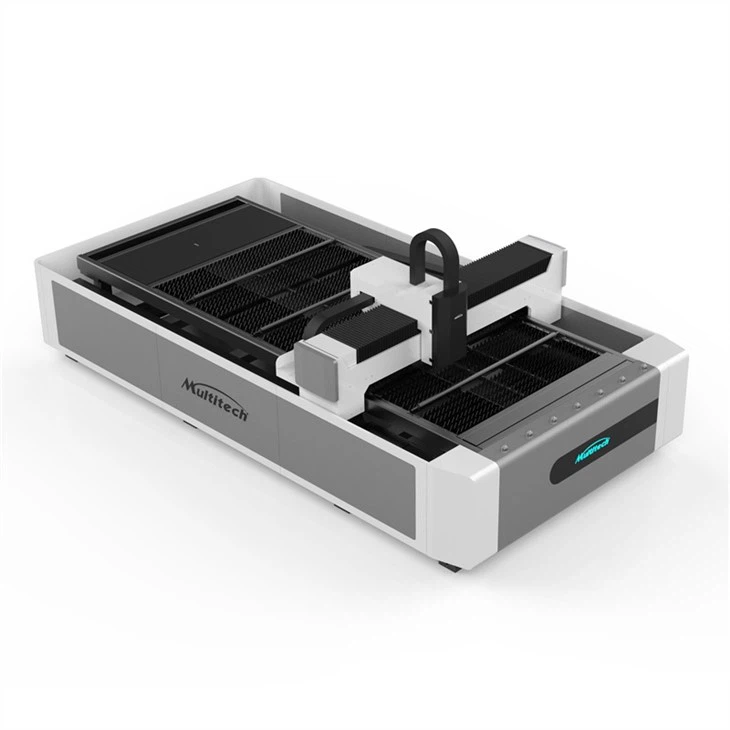
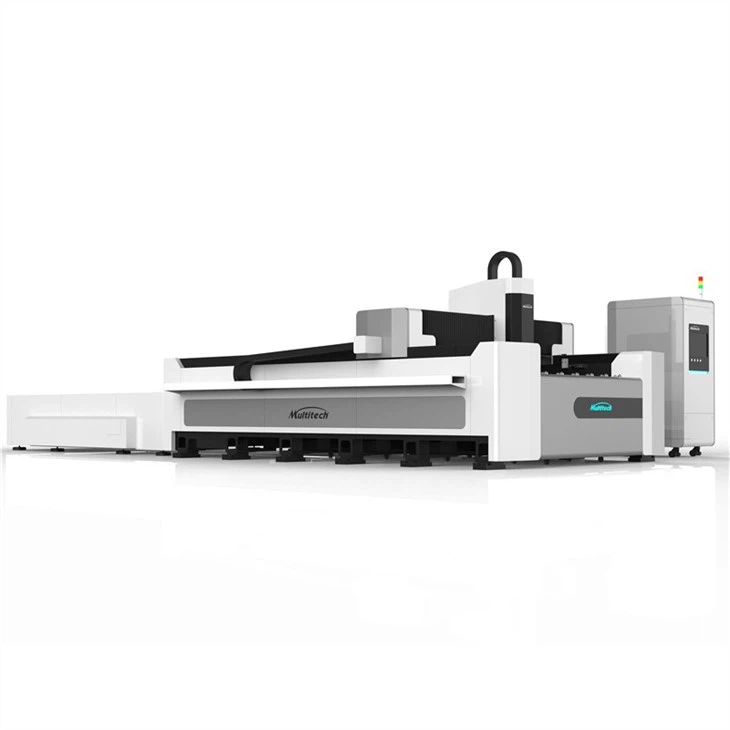
Clean the Torch Body
*Remove the torch parts and examine the inside of the torch.
*Check for any signs of mechanical damage to threads.
*Clean the inside of the torch with an electrical contact cleaner and a cotton swab.
*Disconnect the torch from its mounting tube and slide back the tube to reveal the torch/lead fittings.
*Make sure there are no leaks or damage to any of the connections.
*Blow out any accumulated metal dust.
Clean the Torch Leads
*Wipe down or blow off the entire length of the torch leads to remove accumulated metal dust and dirt. (Metal dust can cause dissipation of the high voltage needed to start the plasma arc.)
*Check for any kinked or worn hoses, exposed wires, cracked fittings, or other damage.


Clean Out the Power Supply
*Blow out any accumulated metal dust from the power supply using clean, dry, shop air.
*Metal dust can cause damage to power supply components especially PC boards.
*Contactors, relays, and spark gap assemblies can also malfunction due to excess build-up of metal dust.
Check Torch Cooling System
*With water-cooled torches check the coolant stream in the tank for signs of aspirated air or reduced flow. Make sure the return flow is at the specified gallons per minute.
*Check flow switches on the return line to make sure they are functional. These prevent the operation of the torch with low coolant flow, preventing overheating.
*Check coolant filters and pump screens and clean or replace them as necessary.
*If available use a conductivity meter to check coolant resistivity.
*The reading should not exceed 10 micromhos for most systems.
*Coolant should be flushed and replenished every 6 months.
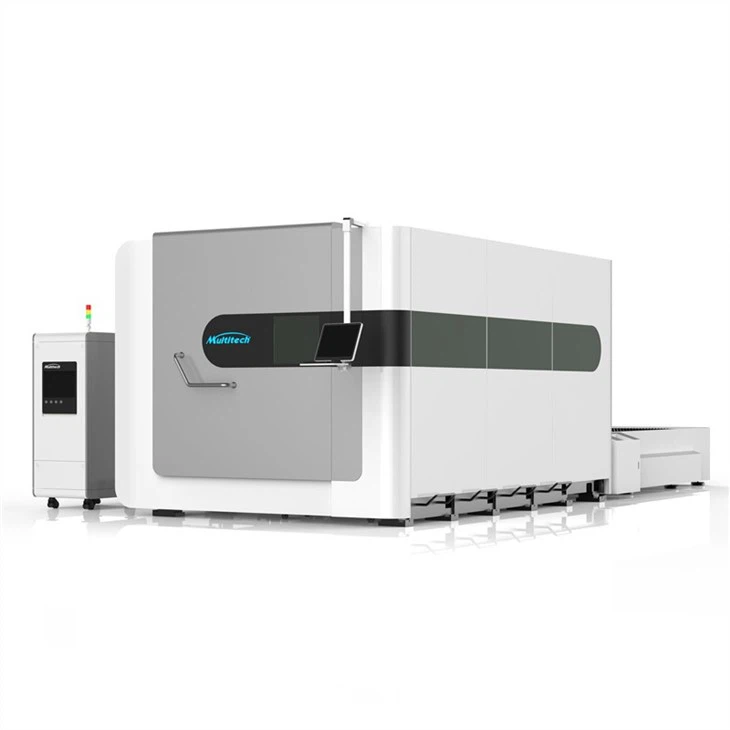

Check Water Quality
*Secondary water quality is particularly important with water injection torches.
*Water hardness should not exceed 8.5 ppm or 0.5 grains.
*Hard water causes mineral deposits to build up on nozzles leading to shortened life.
*Use a commercial water softener if necessary.
*Water quality in water tables is also important.
*If the water in the table is heavily contaminated with slag and metal dust, it can cause a hard starting of the plasma torch. It may also cause rust accumulation on the cut pieces necessitating more rework.
Check Plasma Gas Quality
Plasma gas quality is critical to maintaining good parts life and cut quality.
*To check air quality, hold a clean paper towel under the torch while purging air through the system in the "TEST" mode.
*Make sure there is no sign of contamination. Shop air systems are especially prone to contamination problems.
*Check for water, oil mist, or particulate contamination.
*Filters should be checked once a week; moisture traps should be emptied whenever they begin to accumulate water.
Clean Machine and Surrounding Area
*Rails, gears, and racks should be kept spotlessly clean.
*Use a degreasing agent and an abrasive pad to remove grease, dirt, and metal dust.
*Lubricate gears with a dry lubricant such as graphite powder.
*If bearings have grease fittings, lubricate them.
*Rail sections should not be lubricated. Lubricants will attract contaminants leading to excessive wear.
Level and Align Rails
*Rails should be periodically checked and adjusted for levelness using an accurate level.
*Check joints where rail sections meet with a piece of tool steel or other precision straight edge, feeling for any misalignment.
*Filing may be needed to eliminate any difference in alignment not corrected through leveling.
*Alignment of the rails is also important to prevent drag on drive motors.
*Distances between the rails should be constant across the entire length of the system.
Align and Adjust Gears and Bearings
*Gears should be in near-perfect alignment to gear racks; they should not overlap above or below the rack.
*Adjust gear alignment until no play is felt between gears and racks. *These adjustments should be made for both rail and cross drives.
*Alignment bearings should have minimal play between them and rail or cross rail surfaces.
*These bearings are usually mounted on an eccentric.
*Adjust until no light can be seen between the bearing and rail surface.
*Do not over-tighten. With drive gears disengaged, roll the beam across rails to make certain there is no binding.
*Adjust accordingly until the beam rolls free with minimal vibration and little resistance.
Production Equipment
The picture below is our production equipment:

FAQ
Q: How to maintain a plasma cutting machine?
A: Whenever moisture traps start to collect water, empty them. Clean machine parts—rails, gears, racks, etc. Use degreasers and abrasive pads to remove grease, dirt, and metal dust. Lubricate the gears with dry lubricant such as graphite powder.
Q: Can plasma cutting be used on any material?
A: Not so. Plasma cutting is a process that uses an accelerated jet of thermal plasma to cut conductive materials. Typical materials cut with a plasma torch include steel, stainless steel, aluminum, brass, and copper, but other conductive metals can also be cut.
Q: Why is there almost no deformation in plasma cutting?
A: The heat of the plasma arc melts the metal being cut, and the force of the compressed air blows it away. Because the plasma air flow is very narrow and the molten metal is blown away, the plasma cutter introduces very little heat to the workpiece, so there is little deformation of the workpiece.
Q: What can’t a plasma cutter cut?
A: Because the material must be conductive in order to react with the ionized gases from the torch, plasma cutting cannot be used on non-conductive materials. For example, a plasma cutter cannot cut wood, glass, and plastic, or metals that do not conduct electricity well, such as manganese, lead, tungsten, and tin.
Q: What is a plasma cutting machine used for?
A: A plasma cutter is a thermal cutting tool that is widely used for cutting or engraving on materials such as metal. This is one of the fastest cutting methods and ensures high-quality and precise cuts without causing any damage to the material.
Q: Do I need a respirator to use a plasma cutting machine?
A: Yes, since workers need to be protected from the metal fumes (fine particles) and gases produced during plasma cutting, as an employer you must provide supplied air respirators or air purifying respirators.
Q: What is plasma cutting and how does it work?
A: The process involves using ionized gas to melt and expel material, such as steel, aluminum or copper, from the cut. During this process, an arc is generated between the electrode and anode.
Q: How does a plasma cutter work?
A: An electric current arc is generated from the electrode and combined with the rotating gas. The nozzle then focuses and directs it to the workpiece. The jet of ionized gas is so hot that it melts the material and blows the molten material away from the workpiece.
Q: When should I replace consumables?
A: When the emitter pit depth reaches 1mm (2mm for silver electrodes), the electrodes should be replaced. The nozzle should be replaced when the electrode is replaced or when the orifice becomes out of round. Remaining consumables should be replaced as necessary when out of service.
Q: Why does the arc of a plasma cutter sometimes turn green?
A: The electrode has exceeded its service life and the transmitter is exhausted. At this time, the arc is emitted from the copper around the launch crater, and the green color is copper oxide. Stop cutting immediately and replace electrode and nozzle!
Q: Is plasma cutting better than flame cutting?
A: This depends on the specific application. Plasma cutting machines are easier to learn, safer and faster on thin materials. It can also cut materials that oxy-fuel cannot, such as aluminum. However, for thicker materials, oxy-fuel generally has faster cutting speeds and can cut thicker steel than plasma.
Q: Can I use a plasma cutting machine to cut expanded metal mesh or grating?
A: Yes. If your plasma cutting system has a continuous pilot arc mode, you will need to use this feature to cut grating or expanded metal. If not, you'll have to manually trigger the arc each time you move between slats.
Q: Can a plasma cutter be used for gouging?
A: Yes, use the appropriate torch and consumables. Gouging is a slightly different process than cutting, and not every manufacturer offers gouging torch and consumables options.
Q: What is dross in plasma cutting?
A: Dross occurs when you melt metals and then it re-solidifies and is not ejected from the kerf. This can cause problems with the quality of your cut. But with the right plasma cutting processes, you can minimize dross.
Q: What are the basic components of a CNC plasma cutting system?
A: The plasma cutting system consists of a plasma arc power supply, a cutting torch and a CNC workbench. The cutting torch is mounted on the workbench and a CNC controller moves the torch in the x-y axis. Typically, the CNC can also control the torch in the z-axis for full 5-axis cutting.
Q: How hot is a plasma cutting machine flame?
A: Although impossible to measure, theoretical calculations suggest the temperature was over 40,000 degrees Fahrenheit, hotter than the sun. Anything in its path disintegrates.
Q: What is a CNC plasma cutting machine?
A: CNC stands for computer numerical control. In a CNC plasma cutting machine, a table and gantry are used, and torch movement and arc starting are controlled by a program loaded into specialized computer software. CNC plasma cutting enables the highest quality and repeatability in high-volume part production.
As one of the most professional plasma cutting machine manufacturers and suppliers in China for over 15 years, we're featured by good service and punctual delivery. Please rest assured to buy customized plasma cutting machine at competitive price from our factory.
inverter plasma cutting machine