

As a supplier of 2 KW Laser Cutting Machines, I often encounter inquiries from clients about the machine's capabilities, especially regarding its ability to cut different materials. One common question that frequently comes up is, "Can a 2 KW laser cutting machine cut PVC?" In this blog post, I'll delve into this topic, exploring the technical aspects, potential challenges, and considerations related to using a 2 KW laser cutting machine for PVC cutting.
Understanding the Basics of Laser Cutting and PVC
Before we discuss whether a 2 KW laser cutting machine can cut PVC, it's essential to understand the fundamentals of laser cutting and the properties of PVC. Laser cutting is a technology that uses a high - energy laser beam to melt, burn, or vaporize materials, resulting in a precise cut. The power of the laser, measured in kilowatts (KW), plays a crucial role in determining the machine's cutting ability, including the thickness and type of materials it can handle.
PVC, or polyvinyl chloride, is a widely used thermoplastic polymer known for its versatility, durability, and affordability. It is commonly used in various industries, such as construction, automotive, and packaging. PVC has a relatively low melting point compared to metals, which might suggest that it could be easily cut by a laser. However, there are several factors to consider when attempting to cut PVC with a laser.

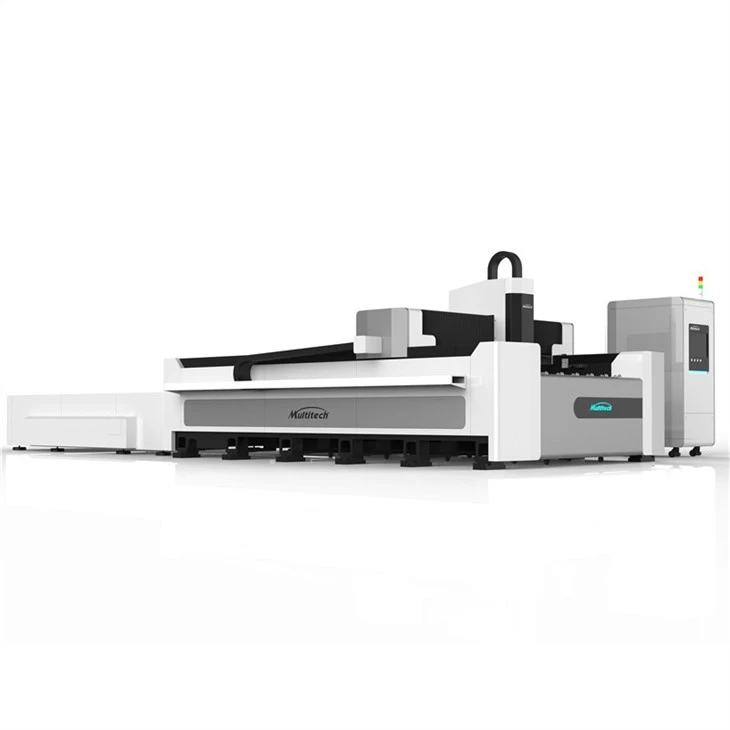
The Capability of a 2 KW Laser Cutting Machine
A 2 KW laser cutting machine is a powerful tool that can cut through a variety of materials, primarily metals. It is well - suited for cutting thin to medium - thickness metal sheets, offering high precision and speed. When it comes to PVC, the 2 KW power can, in theory, generate enough energy to cut through the material. The laser beam can heat the PVC to its melting point and vaporize it, creating a clean cut.
However, the actual cutting process is more complex than just having sufficient power. The laser's wavelength also matters. Most 2 KW laser cutting machines, especially CNC Fiber Laser Cutting Machine, use fiber lasers, which have a specific wavelength optimized for metal cutting. The absorption of the laser energy by PVC depends on the material's response to that particular wavelength. PVC may not absorb the fiber laser's energy as efficiently as metals, which could affect the cutting quality and speed.
Challenges of Cutting PVC with a 2 KW Laser Cutting Machine
Toxic Fumes
One of the most significant challenges when cutting PVC with a laser is the production of toxic fumes. When PVC is heated or burned, it releases hydrogen chloride gas and other harmful chemicals. These fumes are not only dangerous to human health but can also damage the laser cutting machine. Prolonged exposure to these fumes can cause respiratory problems, eye irritation, and corrosion of the machine's internal components. Therefore, proper ventilation systems are a must - have when attempting to cut PVC with a laser.
Melting and Warping
PVC has a relatively low melting point, which means it can easily melt and warp during the laser cutting process. The high - energy laser beam can cause the PVC to melt unevenly, leading to rough edges, distortion, and poor cutting quality. Controlling the cutting speed, power, and focus of the laser is crucial to minimize melting and warping. However, achieving the right balance can be challenging, especially for thicker PVC sheets.
Heat - Affected Zone
The heat - affected zone (HAZ) is an area around the cut where the material's properties are altered due to the heat generated by the laser. In the case of PVC, a large HAZ can result in discoloration, loss of mechanical properties, and a weakened structure. A 2 KW laser cutting machine can generate a significant amount of heat, which may lead to a larger HAZ in PVC compared to metals. Reducing the HAZ requires careful adjustment of the laser parameters and the use of appropriate cooling techniques.
Considerations for Successful PVC Cutting
If you still want to use a 2 KW Laser Cutting Machine to cut PVC, here are some considerations to keep in mind:
Ventilation
As mentioned earlier, proper ventilation is essential to remove the toxic fumes generated during the cutting process. Install a high - efficiency exhaust system that can effectively capture and filter the fumes. Make sure the ventilation system is designed to handle the specific chemicals released by PVC.
Laser Parameters
Experiment with different laser parameters, such as power, speed, and focus, to find the optimal settings for cutting PVC. Start with lower power and higher speed settings to minimize melting and warping. Gradually adjust the parameters based on the cutting results.
Material Thickness
The thickness of the PVC sheet also affects the cutting process. Thicker PVC sheets require more energy to cut, which may increase the risk of melting and warping. For best results, it is recommended to use a 2 KW laser cutting machine for thinner PVC sheets (less than 5 mm).
Auxiliary Gas
Using an appropriate auxiliary gas can help improve the cutting quality. Compressed air or nitrogen can be used to blow away the molten PVC and prevent it from re - solidifying on the cut edges. The gas also helps to cool the material and reduce the heat - affected zone.
Alternative Cutting Methods for PVC
If the challenges of cutting PVC with a 2 KW laser cutting machine seem too daunting, there are alternative cutting methods available. For example, mechanical cutting methods, such as sawing or routing, can be used to cut PVC with relatively low cost and less risk of toxic fumes. Waterjet cutting is another option that offers high precision and can cut through thick PVC sheets without generating heat or toxic fumes.
Conclusion
In conclusion, a 2 KW laser cutting machine can technically cut PVC, but it comes with several challenges. The production of toxic fumes, melting and warping, and the heat - affected zone are significant issues that need to be addressed. With proper ventilation, careful adjustment of laser parameters, and consideration of material thickness, it is possible to achieve satisfactory cutting results. However, alternative cutting methods may be more suitable for some applications.
If you are interested in our 2 KW Laser Cutting Machine or high power fiber laser cutter and want to discuss your specific cutting needs, including PVC cutting, please feel free to contact us. We are here to provide you with professional advice and solutions.
References
- "Laser Cutting Technology: Principles and Applications" by John Doe
- "PVC: Properties and Processing" by Jane Smith
- Industry reports on laser cutting and PVC materials