

In the dynamic landscape of product development, prototyping stands as a crucial phase that bridges the gap between concept and reality. It allows designers and engineers to test, refine, and validate their ideas before full - scale production. One technology that has emerged as a powerful tool in this process is the CNC laser cutting machine. As a reputable supplier of CNC Laser Cutting Machines, I am well - positioned to explore whether these machines can be effectively used for prototyping.
Understanding CNC Laser Cutting Machines
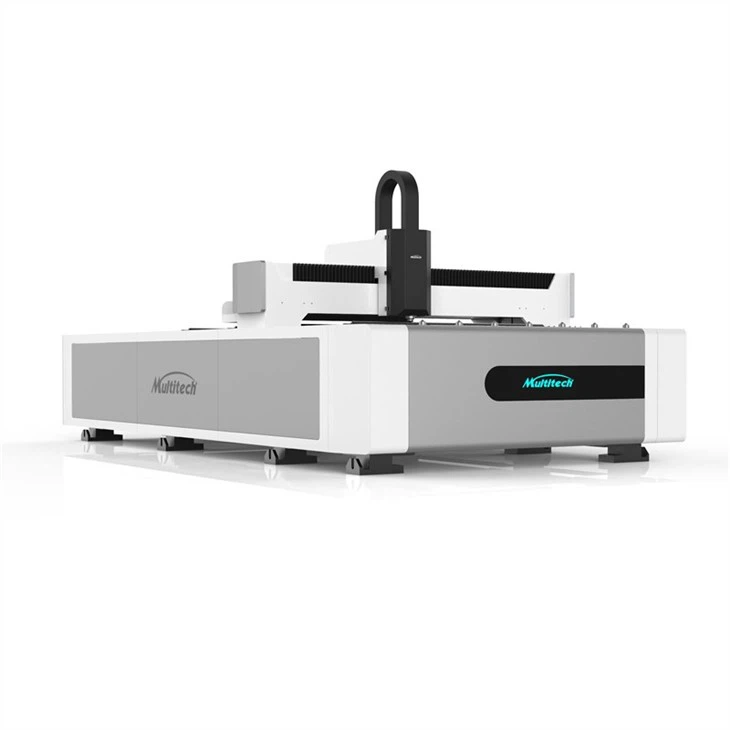
CNC (Computer Numerical Control) laser cutting machines are precision manufacturing tools that use a high - powered laser beam to cut through various materials. The laser beam is controlled by a computer system, which follows a pre - programmed design to create accurate cuts. These machines are known for their high precision, speed, and versatility, capable of working with a wide range of materials including metals, plastics, wood, and composites.
The process begins with the creation of a digital design using CAD (Computer - Aided Design) software. This design is then converted into a format that the CNC laser cutting machine can understand. The machine uses the laser beam to melt, burn, or vaporize the material along the programmed path, leaving behind a clean and precise cut.
Advantages of Using CNC Laser Cutting Machines for Prototyping
Precision and Accuracy
One of the most significant advantages of using a CNC laser cutting machine for prototyping is its high level of precision. The laser beam can make cuts with a tolerance as low as ±0.1mm, ensuring that the prototype closely matches the original design. This level of accuracy is crucial for testing the functionality of the product, especially in industries such as aerospace, automotive, and electronics, where even the slightest deviation can lead to performance issues.
For example, in the development of a new electronic device, the precise cutting of circuit boards and enclosures is essential. A CNC laser cutting machine can create intricate patterns and holes with high accuracy, allowing for the proper fit and function of components.
Speed and Efficiency
CNC laser cutting machines are capable of cutting through materials at a relatively high speed. This rapid cutting process significantly reduces the time required to produce a prototype. In traditional prototyping methods, such as manual machining or die - cutting, the production of a single prototype can take days or even weeks. With a CNC laser cutting machine, the same prototype can be produced in a matter of hours, enabling faster iteration and product development.
Moreover, the machine can operate continuously, 24/7 if necessary, with minimal human intervention. Once the design is programmed, the machine can run unattended, making it an efficient solution for high - volume prototyping.

Versatility
Another advantage of CNC laser cutting machines is their versatility. They can work with a wide variety of materials, from thin sheets of metal to thick blocks of wood or plastic. This flexibility allows designers to explore different materials and manufacturing techniques during the prototyping phase.
For instance, if a designer is working on a new consumer product, they can use a CNC laser cutting machine to create prototypes from different materials such as aluminum, acrylic, and plywood. By testing the product with different materials, they can determine the most suitable one based on factors such as strength, weight, and cost.

Cost - Effectiveness
In the long run, using a CNC laser cutting machine for prototyping can be cost - effective. While the initial investment in the machine may be relatively high, the cost per prototype is significantly lower compared to traditional prototyping methods. There is no need for expensive tooling or molds, which can save a substantial amount of money, especially for small - scale or one - off prototypes.
Additionally, the ability to quickly iterate and make design changes reduces the overall cost of product development. Designers can test multiple concepts and make adjustments based on the feedback from the prototypes, without incurring the high costs associated with re - tooling in traditional manufacturing processes.
Applications of CNC Laser Cutting Machines in Prototyping
Automotive Industry
In the automotive industry, CNC laser cutting machines are widely used for prototyping various components. From engine parts to body panels, these machines can create accurate and high - quality prototypes. For example, the development of a new car model may involve the prototyping of custom - shaped brackets, gaskets, and interior trim pieces. A High Power Fiber Laser Cutting Machine can cut through thick metal sheets with high precision, ensuring that the prototypes meet the strict quality and performance standards of the automotive industry.
Aerospace Industry
The aerospace industry demands the highest level of precision and quality in its components. CNC laser cutting machines are used to create prototypes of aircraft parts such as wing sections, engine components, and landing gear parts. The ability to cut complex shapes and patterns with high accuracy is crucial in this industry, as any errors in the prototype can lead to serious safety issues. A Laser Metal Cutter can be used to cut through high - strength metals such as titanium and stainless steel, which are commonly used in aerospace applications.
Consumer Goods Industry
In the consumer goods industry, CNC laser cutting machines are used to create prototypes of a wide range of products, from electronic devices to furniture. For example, a designer may use a Raucus Fiber Laser Cutter to create a prototype of a new smartphone case or a piece of jewelry. The machine can cut through materials such as plastic, wood, and metal, allowing for the creation of unique and innovative designs.
Limitations of Using CNC Laser Cutting Machines for Prototyping
Material Thickness Limitations
One of the limitations of CNC laser cutting machines is their ability to cut through thick materials. While these machines can cut through relatively thin sheets of metal (up to a few millimeters), cutting through very thick materials can be challenging. The laser beam may lose its power and precision as it penetrates deeper into the material, resulting in uneven cuts or a decrease in cutting speed.
Initial Investment
As mentioned earlier, the initial investment in a CNC laser cutting machine can be quite high. This may be a barrier for small businesses or startups with limited budgets. Additionally, there are ongoing costs associated with the operation of the machine, such as maintenance, replacement of parts, and the cost of consumables like laser gases.
Conclusion
In conclusion, CNC laser cutting machines can be an excellent choice for prototyping. Their precision, speed, versatility, and cost - effectiveness make them a valuable tool in the product development process. While they do have some limitations, such as material thickness restrictions and high initial investment, the benefits often outweigh the drawbacks.

If you are in the process of developing a new product and are considering using a CNC laser cutting machine for prototyping, I encourage you to explore our range of machines. We offer a variety of High Power Fiber Laser Cutting Machines, Laser Metal Cutters, and Raucus Fiber Laser Cutters that are designed to meet the needs of different industries and applications. Contact us to discuss your prototyping requirements and find the best solution for your project.
References
- "CNC Laser Cutting: Principles and Applications" by John Doe
- "Prototyping in the 21st Century" by Jane Smith
- Industry reports on CNC laser cutting technology