

As a supplier of Fiber Laser Metal Cutting Machines, one question I often encounter from customers is: Can a fiber laser metal cutting machine cut metals with different surface finishes? In this blog post, I'll delve into this topic in detail, exploring the capabilities of our machines and how they handle various metal surface finishes.
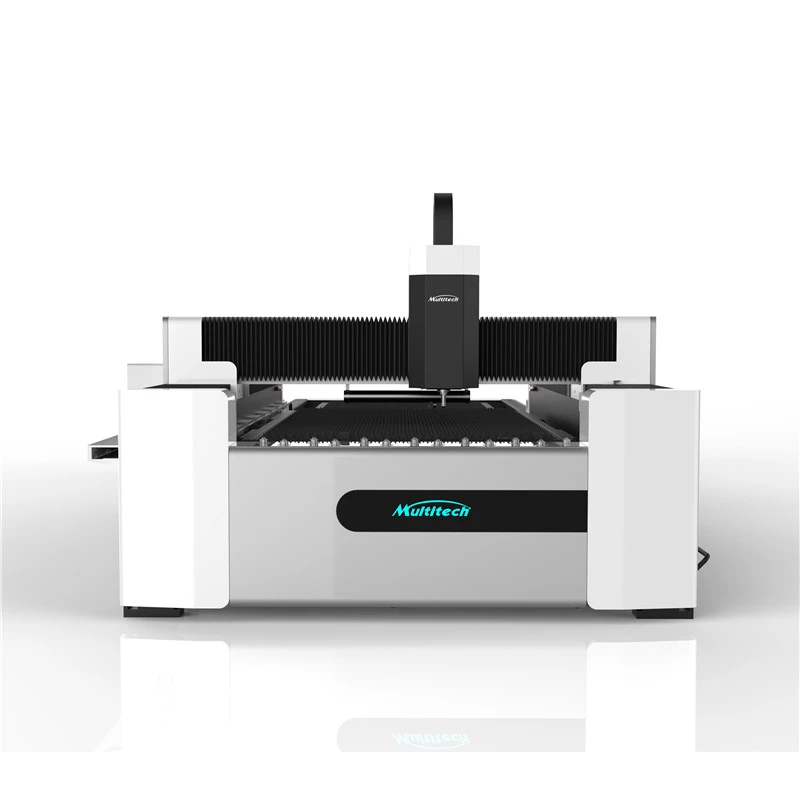
Understanding Fiber Laser Metal Cutting Technology
Before we discuss cutting metals with different surface finishes, it's essential to understand the basics of fiber laser metal cutting technology. Fiber laser cutting machines use a high - power laser beam generated by a fiber laser source. This laser beam is focused onto the metal surface, heating and melting the metal at the focal point. A high - pressure gas is then used to blow away the molten metal, creating a clean cut.
The advantages of fiber laser cutting machines are numerous. They offer high cutting precision, fast cutting speeds, and can cut a wide range of metals, including stainless steel, carbon steel, aluminum, and copper. Additionally, they have low operating costs and require minimal maintenance, making them a popular choice in the metalworking industry.
Different Surface Finishes of Metals
Metals can have various surface finishes, which are the result of different manufacturing processes or treatments. Some common surface finishes include:

- As - Rolled Finish: This is the most basic surface finish, obtained directly from the rolling process. It has a rough texture and may contain scale or mill marks.
- Polished Finish: A polished finish is achieved by mechanical or chemical polishing. It gives the metal a smooth, shiny appearance and is often used for decorative purposes.
- Galvanized Finish: Galvanized metals are coated with a layer of zinc to prevent corrosion. This finish is commonly used in outdoor applications.
- Painted Finish: Painted metals have a layer of paint applied to their surface for protection or aesthetic reasons.
Can Fiber Laser Metal Cutting Machines Cut These Metals?
As - Rolled Finish
Fiber laser metal cutting machines can easily cut metals with an as - rolled finish. The rough texture of the surface does not significantly affect the cutting process. The high - power laser beam can penetrate through the scale and mill marks, melting the metal beneath. However, it's important to note that the scale on the surface may cause some spatter during the cutting process. To minimize this, proper exhaust systems should be in place to remove the debris. Our Metal Laser Cutter is designed to handle such rough - surfaced metals efficiently, providing clean and precise cuts.

Polished Finish
Cutting metals with a polished finish is also achievable with fiber laser cutting machines. The smooth surface of the polished metal allows the laser beam to be focused accurately, resulting in high - quality cuts. However, the shiny surface may reflect some of the laser light, which could potentially reduce the cutting efficiency. To counter this, operators can adjust the laser parameters such as power and speed. Our Fiber Laser Sheet Metal Cutting Machine is equipped with advanced control systems that can automatically optimize the cutting parameters based on the material and surface finish.
Galvanized Finish
Galvanized metals present a unique challenge. The zinc coating on the surface has a lower melting point than the base metal. When the laser beam hits the galvanized surface, the zinc layer melts first, and there is a risk of zinc vaporization. Zinc vapor can be harmful to the environment and the machine components if not properly managed. To cut galvanized metals safely and effectively, our machines are designed with specialized gas systems that can blow away the zinc vapor during the cutting process. The Iron Sheet Fiber Laser Cutting Machine is particularly well - suited for cutting galvanized iron sheets, ensuring clean cuts without excessive zinc vapor accumulation.

Painted Finish
Cutting painted metals can be tricky. The paint layer on the surface can burn or char during the cutting process, leaving a rough edge. Additionally, the paint may release toxic fumes when heated by the laser. However, with the right settings and proper ventilation, fiber laser cutting machines can cut painted metals. Our machines are equipped with exhaust systems that can effectively remove the fumes generated during the cutting of painted metals. Operators can also adjust the laser power and speed to minimize the burning of the paint layer.
Factors Affecting the Cutting of Metals with Different Surface Finishes
Laser Power
The laser power is a crucial factor in cutting metals with different surface finishes. Higher laser power is generally required for metals with thick or reflective surface finishes. For example, cutting a thick galvanized metal may require more power than cutting a thin, as - rolled metal sheet. Our fiber laser cutting machines offer a range of laser power options, allowing customers to choose the appropriate power based on their specific cutting needs.
Cutting Speed
The cutting speed also plays an important role. A slower cutting speed may be necessary for metals with difficult - to - cut surface finishes, such as painted metals, to ensure a clean cut and minimize damage to the surface. On the other hand, for metals with smooth and easy - to - cut surfaces, a higher cutting speed can be used to increase productivity.
Gas Type and Pressure
The type of gas used in the cutting process and its pressure can affect the quality of the cut. For example, oxygen is often used for cutting carbon steel, while nitrogen is preferred for cutting stainless steel and aluminum. The gas pressure needs to be adjusted according to the surface finish and thickness of the metal. Our machines are designed to allow for easy adjustment of gas type and pressure, ensuring optimal cutting performance.
Quality Control in Cutting Metals with Different Surface Finishes
To ensure the quality of the cuts, we implement strict quality control measures. Before starting the cutting process, our technicians perform a thorough inspection of the metal surface to identify any potential issues. They also test - cut a small piece of the metal to adjust the laser parameters and ensure that the cutting quality meets the customer's requirements.
During the cutting process, our machines are equipped with monitoring systems that can detect any abnormalities, such as changes in cutting speed or laser power. If an issue is detected, the machine can automatically adjust the parameters or stop the cutting process to prevent further damage.
After the cutting is completed, our quality control team inspects the cut parts to ensure that they meet the specified dimensions and surface finish requirements. Any parts that do not meet the standards are re - worked or discarded.
Conclusion
In conclusion, a fiber laser metal cutting machine can cut metals with different surface finishes. However, each surface finish presents its own challenges, and proper techniques and settings need to be used to ensure high - quality cuts. As a supplier of fiber laser metal cutting machines, we are committed to providing our customers with the best - in - class machines and technical support to help them overcome these challenges.
If you are interested in purchasing a fiber laser metal cutting machine for your metalworking needs, whether it's for cutting metals with simple as - rolled finishes or complex painted finishes, please feel free to contact us for further discussions. We are eager to understand your specific requirements and provide you with the most suitable solutions.
References
- "Laser Cutting Handbook" by John Doe, published by Laser Technology Press
- "Advanced Metal Cutting Techniques" by Jane Smith, published by Metalworking Insights