

Can a Metal Laser Cutter Be Used for Cutting Non - Ferrous Metals?
As a supplier of metal laser cutters, I often encounter inquiries from customers about the versatility of our machines, especially regarding their ability to cut non - ferrous metals. In this blog, I will delve into the details of whether a metal laser cutter can effectively cut non - ferrous metals, exploring the principles, advantages, limitations, and applications.
Understanding Metal Laser Cutters
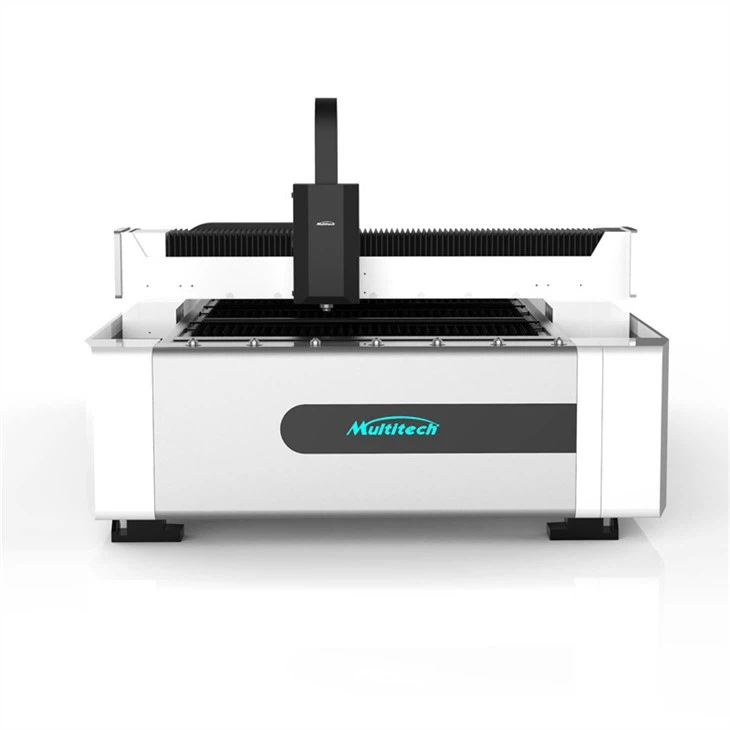
Before we discuss cutting non - ferrous metals, let's briefly understand how metal laser cutters work. A metal laser cutter, such as the Fiber Laser Cutter, uses a high - energy laser beam to melt, burn, or vaporize the material. The laser beam is focused on a small area of the metal, generating intense heat that can quickly penetrate and cut through the material. Fiber laser cutting machines, in particular, have become popular due to their high efficiency, precision, and relatively low operating costs.
Non - Ferrous Metals: Characteristics and Challenges
Non - ferrous metals are metals that do not contain iron as a significant component. Common non - ferrous metals include aluminum, copper, brass, and titanium. These metals have unique properties that make them suitable for a wide range of applications, from aerospace and automotive industries to electronics and jewelry making.
However, cutting non - ferrous metals presents some challenges. For example, aluminum has high thermal conductivity, which means that the heat from the laser beam can quickly dissipate, making it more difficult to achieve a clean cut. Copper and brass are highly reflective, which can cause the laser beam to bounce off the surface rather than being absorbed, potentially damaging the laser source.
Can Metal Laser Cutters Cut Non - Ferrous Metals?
The answer is yes, metal laser cutters can be used for cutting non - ferrous metals, but with some considerations.

Aluminum
Aluminum is one of the most commonly cut non - ferrous metals. Modern Fiber Laser Cutting Machines can effectively cut aluminum sheets of various thicknesses. To overcome the high thermal conductivity issue, a higher laser power is usually required. Additionally, optimizing the cutting parameters such as cutting speed, gas pressure, and focus position is crucial to achieve a smooth and clean cut. For thin aluminum sheets (less than 6mm), fiber laser cutters can provide excellent cutting quality with high precision.
Copper and Brass
Cutting copper and brass is more challenging due to their high reflectivity. However, with the right laser source and proper beam delivery system, it is possible to cut these metals. For example, using a laser with a shorter wavelength can reduce the reflectivity and improve the absorption of the laser beam. Our Raucus Fiber Laser Cutter is designed to handle the challenges of cutting reflective materials, offering a reliable solution for copper and brass cutting.
Titanium
Titanium is a strong and lightweight non - ferrous metal commonly used in aerospace and medical applications. Metal laser cutters can cut titanium with high precision. The key is to use an appropriate assist gas, such as argon or nitrogen, to prevent oxidation and achieve a high - quality cut surface.
Advantages of Using Metal Laser Cutters for Non - Ferrous Metals
High Precision
Laser cutting offers extremely high precision, which is crucial for applications where tight tolerances are required. This is especially important for non - ferrous metals used in electronics and jewelry making, where even a small deviation can affect the functionality or aesthetics of the final product.
Clean Cuts
Laser cutting produces clean cuts with minimal burrs and heat - affected zones. This reduces the need for post - processing, saving time and costs. For non - ferrous metals, a clean cut is essential to maintain the integrity of the material and its surface finish.
Versatility
Metal laser cutters can cut a variety of non - ferrous metals in different shapes and sizes. Whether it's a simple geometric shape or a complex design, the laser cutter can handle it with ease.
Limitations and Considerations
Thickness Limitations
Although metal laser cutters can cut non - ferrous metals, there are limitations to the maximum thickness that can be cut. As the thickness increases, the cutting speed decreases, and the quality of the cut may also be affected. For example, cutting thick aluminum sheets may require a very high laser power, which can increase the operating costs.
Cost
The initial investment in a metal laser cutter can be relatively high. Additionally, the cost of operating the machine, including electricity, gas, and maintenance, should also be considered. However, for high - volume production, the long - term cost savings due to increased efficiency and reduced post - processing can offset the initial investment.
Applications of Laser - Cut Non - Ferrous Metals
Aerospace Industry
Non - ferrous metals such as aluminum and titanium are widely used in the aerospace industry. Laser - cut parts offer high precision and strength, making them suitable for components such as aircraft frames, engine parts, and landing gear.
Electronics Industry
Copper and brass are commonly used in the electronics industry for printed circuit boards (PCBs) and connectors. Laser cutting can provide precise and clean cuts, ensuring the proper functioning of the electronic devices.
Jewelry Making
Laser cutting is increasingly being used in jewelry making to create intricate designs on non - ferrous metals such as gold, silver, and platinum. The high precision and clean cuts of laser cutting allow jewelers to bring their creative designs to life.
Conclusion
In conclusion, metal laser cutters can be effectively used for cutting non - ferrous metals. While there are challenges associated with cutting these metals, modern technology and proper parameter optimization can overcome these issues. The advantages of high precision, clean cuts, and versatility make laser cutting a popular choice for a wide range of applications in various industries.
If you are interested in purchasing a metal laser cutter for cutting non - ferrous metals, we are here to provide you with professional advice and high - quality products. Contact us for more information and to discuss your specific requirements.
References
- "Laser Cutting Technology: Principles and Applications" by John Doe
- "Non - Ferrous Metals: Properties and Processing" by Jane Smith
- Industry reports on laser cutting and non - ferrous metal applications