

Can a plasma cutting machine be used for cutting thin plates?
In the world of metal fabrication, the question of whether a plasma cutting machine can be used for cutting thin plates is a common one. As a plasma cutting machine supplier, I often encounter this query from customers looking to optimize their cutting processes for various materials and thicknesses. In this blog, I will delve into the capabilities of plasma cutting machines when it comes to thin - plate cutting, highlighting the advantages, considerations, and providing some practical tips.
Capabilities of Plasma Cutting Machines for Thin Plate Cutting
Plasma cutting machines are well - known for their versatility in cutting a wide range of metals, including steel, aluminum, and stainless steel. When it comes to thin plates, which typically refer to metal sheets with a thickness ranging from 0.5mm to 6mm, plasma cutters can indeed be a viable option.
One of the key advantages of using a plasma cutting machine for thin plates is its high cutting speed. Plasma cutting works by creating a high - velocity jet of ionized gas (plasma) that melts and blows away the metal. This process allows for rapid cutting, which is especially beneficial when dealing with large volumes of thin - plate workpieces. For example, in the manufacturing of automotive body parts or electronic enclosures where thin metal sheets are used extensively, the high - speed cutting ability of plasma cutters can significantly increase productivity.

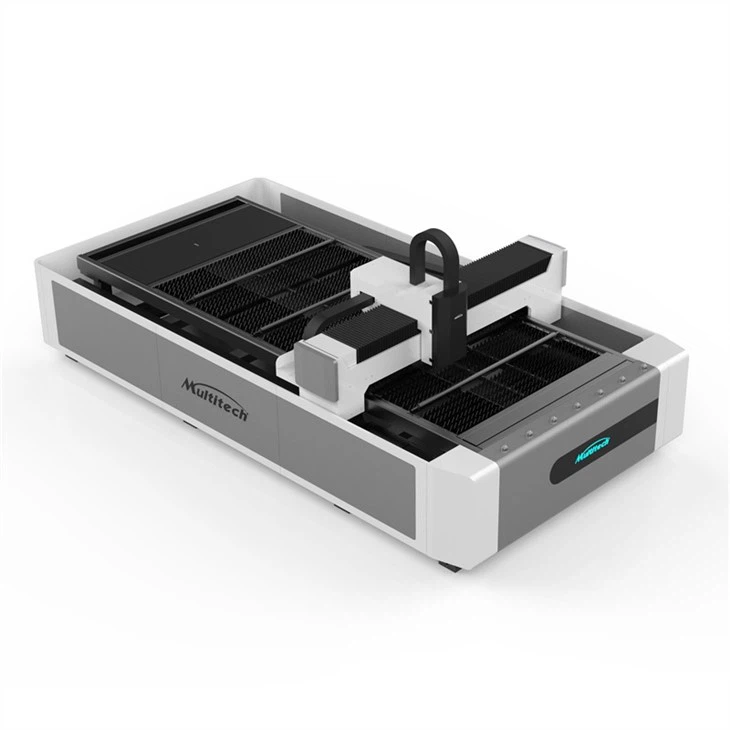
Another benefit is the precision that modern plasma cutting machines offer. Advanced CNC Plasma Cutter systems are equipped with computer - controlled technology that can accurately follow complex cutting paths. This means that even for thin plates, intricate shapes and patterns can be cut with high precision, meeting the strict requirements of many industries.
Advantages over Other Cutting Methods
When compared to other cutting methods for thin plates, such as laser cutting or mechanical shearing, plasma cutting has its own unique advantages.
Compared with laser cutting, plasma cutting is generally more cost - effective, especially for medium - sized to large - scale production. While Thick Metal Laser Cutting Machine can offer extremely high precision and a narrow kerf width, the initial investment and operating costs of laser cutting systems are relatively high. Plasma cutting machines, on the other hand, have a lower upfront cost and lower running costs, making them a more accessible option for many businesses.
In contrast to mechanical shearing, plasma cutting can handle more complex shapes. Mechanical shearing is mainly suitable for straight - line cutting and simple geometric shapes. Plasma cutting, however, can cut curves, angles, and irregular shapes with ease, providing greater flexibility in the design and manufacturing process.
Considerations for Cutting Thin Plates with Plasma Cutting Machines
While plasma cutting machines can be used effectively for thin - plate cutting, there are several considerations that need to be taken into account to ensure optimal results.
Heat Affected Zone (HAZ)
One of the main concerns when cutting thin plates with a plasma cutter is the heat affected zone. The high - temperature plasma jet can cause the metal around the cut to heat up, which may lead to deformation, warping, or changes in the material's mechanical properties, especially for very thin plates. To minimize the HAZ, it is important to select the appropriate cutting parameters, such as cutting speed, current, and gas pressure. Higher cutting speeds can reduce the amount of time the metal is exposed to heat, thus minimizing the HAZ.
Kerf Width
The kerf width, which is the width of the cut made by the plasma cutter, is another important factor. For thin plates, a narrow kerf width is often desired to reduce material waste and improve the accuracy of the cut. Modern plasma cutting machines are designed to produce relatively narrow kerf widths, but the actual width can be affected by factors such as the type of plasma torch, cutting current, and the distance between the torch and the workpiece.
Cutting Quality
The quality of the cut edge is crucial, especially for applications where the cut parts need to be welded or assembled. When cutting thin plates, issues such as dross (the molten metal that adheres to the cut edge) and beveled edges can occur. To achieve a high - quality cut, proper torch height control, gas flow adjustment, and regular maintenance of the plasma cutting system are essential.
Practical Tips for Cutting Thin Plates
Here are some practical tips to help you get the best results when cutting thin plates with a plasma cutting machine:
- Select the Right Torch and Consumables: Different torches and consumables are designed for specific thicknesses and types of metals. For thin - plate cutting, choose a torch with a smaller nozzle size and appropriate electrodes to ensure a narrow and precise cut.
- Optimize Cutting Parameters: Experiment with different cutting speeds, currents, and gas pressures to find the optimal settings for your specific thin - plate material. Start with the manufacturer's recommended parameters and make small adjustments based on the cutting quality.
- Use a Cutting Table: A proper cutting table with good support can help prevent the thin plate from vibrating during the cutting process, which can improve the cutting accuracy and quality.
- Control the Torch Height: Maintaining a consistent torch height is crucial for thin - plate cutting. Use a torch height control system to ensure that the torch is at the correct distance from the workpiece throughout the cutting process.
Conclusion
In conclusion, a plasma cutting machine can definitely be used for cutting thin plates. It offers high cutting speed, precision, and cost - effectiveness, making it a popular choice for many metal fabrication applications. However, to achieve the best results, it is important to take into account factors such as the heat affected zone, kerf width, and cutting quality, and follow the practical tips mentioned above.
If you are in the market for a plasma cutting machine for thin - plate cutting or other applications, we are here to help. Our company offers a wide range of plasma cutting solutions, including CNC Plasma Cutter and CNC Plasma Tube Cutter. We can provide professional advice and support to ensure that you select the right machine for your specific needs. Feel free to contact us to start a procurement discussion and take your metal fabrication process to the next level.
References
- "Plasma Cutting Technology Handbook", Industrial Press Inc.
- Journal of Manufacturing Science and Engineering, various issues on metal cutting processes.
- Manufacturer's manuals of plasma cutting machines.