

Can a steel laser cutter cut steel with coatings?
As a supplier of Steel Laser Cutters, I often encounter inquiries from customers about the machine's capabilities, especially regarding cutting coated steel. Coated steel is widely used in various industries due to its enhanced corrosion resistance, aesthetic appeal, and other beneficial properties. However, the question of whether a steel laser cutter can effectively cut this type of material is a valid concern. In this blog post, I'll delve into the details of using a steel laser cutter on coated steel, exploring the possibilities, challenges, and best practices.
Understanding Coated Steel
Before discussing the cutting process, it's essential to understand what coated steel is. Coated steel refers to steel that has been treated with a layer of material to protect it from corrosion, improve its appearance, or add other functional properties. Common coatings include zinc, paint, powder coating, and galvanizing. Each coating has its unique characteristics, which can influence the laser cutting process.
For instance, zinc-coated steel, also known as galvanized steel, is widely used in construction, automotive, and manufacturing industries. The zinc layer acts as a sacrificial anode, protecting the underlying steel from rust and corrosion. Paint and powder coatings, on the other hand, are often used for aesthetic purposes, providing a smooth, colorful finish. These coatings can also offer some degree of protection against scratches and abrasion.
The Capability of Steel Laser Cutters
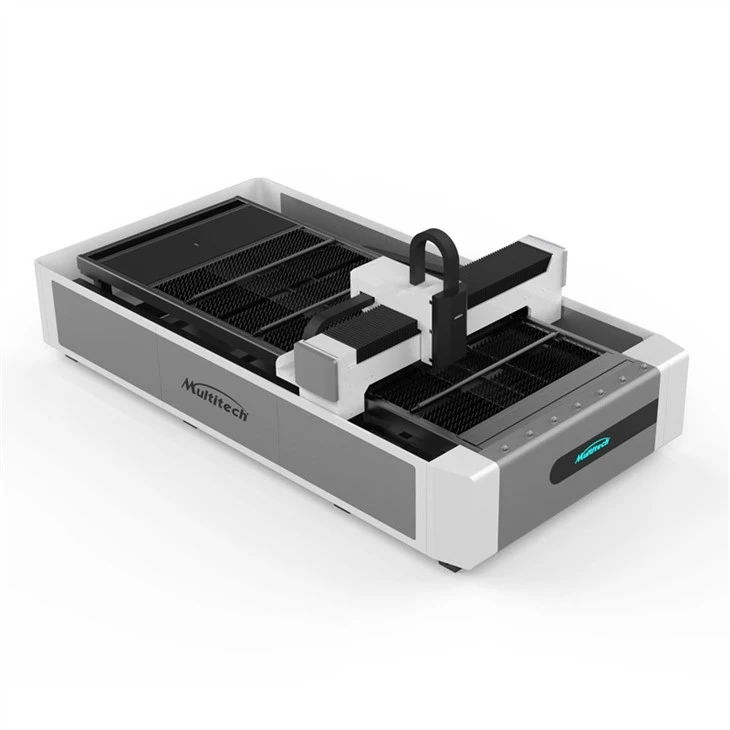
Steel laser cutters are powerful tools designed to cut through various types of steel with high precision and speed. These machines use a high-powered laser beam to melt, burn, or vaporize the material, creating a clean, accurate cut. The laser cutting process is highly versatile and can be used on different thicknesses and grades of steel.
In general, a well-equipped steel laser cutter can cut coated steel. However, the success of the cutting process depends on several factors, including the type of coating, the thickness of the steel, and the power of the laser cutter.
Factors Affecting the Cutting Process
Type of Coating
The type of coating on the steel can significantly impact the laser cutting process. Some coatings, such as zinc, are relatively easy to cut through. The laser can vaporize the zinc layer and then proceed to cut the underlying steel. However, other coatings, such as thick paint or powder coatings, may pose more challenges. These coatings can absorb or reflect the laser energy, reducing the cutting efficiency and potentially causing uneven cuts or damage to the machine.
Thickness of the Steel
The thickness of the steel also plays a crucial role in the cutting process. Thicker steel requires more laser power to cut through, and the presence of a coating can further increase the energy requirements. If the laser cutter does not have enough power, it may struggle to cut through the coated steel, resulting in incomplete cuts or rough edges.
Laser Power and Settings
The power and settings of the laser cutter are essential for achieving optimal cutting results. Higher laser power can generally cut through thicker coated steel more effectively. However, it's important to adjust the settings carefully to avoid overheating the material or damaging the coating. The laser cutter's control system allows operators to adjust parameters such as laser power, cutting speed, and focus to suit the specific requirements of the coated steel.
Challenges and Solutions
Coating Damage
One of the main challenges when cutting coated steel is the potential damage to the coating. The high heat generated by the laser can cause the coating to bubble, crack, or burn, affecting the appearance and performance of the finished product. To minimize coating damage, it's important to use the appropriate laser settings and cutting techniques. For example, using a lower laser power and higher cutting speed can reduce the heat input and minimize the impact on the coating.
Fume and Dust Generation
Another challenge is the generation of fumes and dust during the cutting process. The vaporization of the coating and steel can produce harmful fumes and particles, which can be hazardous to the operator's health and the environment. To address this issue, it's essential to have a proper ventilation system in place to remove the fumes and dust from the cutting area. Additionally, using a laser cutter with a built-in fume extraction system can help to reduce the amount of fumes and dust generated.
Cutting Quality
Achieving high-quality cuts on coated steel can be more challenging than on uncoated steel. The presence of the coating can affect the cutting accuracy and surface finish. To ensure good cutting quality, it's important to use a laser cutter with high precision and stability. Additionally, proper maintenance of the machine, including regular cleaning and calibration, can help to maintain the cutting performance.
Best Practices for Cutting Coated Steel
Select the Right Laser Cutter
Choosing the right laser cutter is crucial for cutting coated steel effectively. Consider the thickness and type of coated steel you need to cut, as well as the required cutting speed and precision. A laser cutter with sufficient power and advanced features, such as automatic focus control and real-time monitoring, can help to achieve better cutting results.
Prepare the Material
Before cutting, it's important to prepare the coated steel properly. This includes cleaning the surface to remove any dirt, grease, or debris that may interfere with the cutting process. Additionally, make sure the material is securely clamped to prevent movement during cutting.
Optimize the Laser Settings
Experiment with different laser settings to find the optimal combination for cutting the coated steel. Start with lower power and higher speed settings and gradually adjust them based on the cutting results. Monitor the cutting process closely and make adjustments as needed to ensure a clean, accurate cut.
Use Assist Gas
Using an assist gas, such as oxygen or nitrogen, can help to improve the cutting quality and efficiency. Oxygen can enhance the combustion process, increasing the cutting speed and reducing the heat-affected zone. Nitrogen, on the other hand, can prevent oxidation and produce a cleaner cut surface.

Conclusion
In conclusion, a steel laser cutter can cut coated steel, but the success of the cutting process depends on several factors. By understanding the type of coating, the thickness of the steel, and the capabilities of the laser cutter, you can take the necessary steps to ensure a successful cutting operation. Following the best practices outlined in this blog post, such as selecting the right laser cutter, preparing the material, optimizing the laser settings, and using assist gas, can help you achieve high-quality cuts on coated steel.
If you're interested in learning more about Steel Laser Cutter or need assistance with your cutting needs, please feel free to contact us. Our team of experts is ready to provide you with the latest information and support to help you make the most of your laser cutting operations. Whether you're cutting Laser Cutting Stainless Steel or other types of coated steel, we have the solutions to meet your requirements. We also offer CNC Laser Cutting Machine for Stainless Steel, which provides precise and efficient cutting for your projects. Don't hesitate to reach out to us for more information and to discuss your specific needs.
References
- "Laser Cutting Technology: Principles and Applications" by John Doe
- "Coated Steel: Properties, Applications, and Manufacturing" by Jane Smith
- Industry reports and technical documents on laser cutting and coated steel