

Plasma cutting is a widely used process in metal fabrication due to its efficiency and precision. As a supplier of Plasma Cutting Machines, I often receive inquiries from customers about various aspects of these machines, one of the most common questions being, "Does a plasma cutting machine produce a lot of dust?" In this blog post, I will delve into this topic, exploring the nature of dust production during plasma cutting, the factors influencing it, and the measures that can be taken to mitigate it.
Understanding Plasma Cutting
Before we discuss dust production, let's briefly understand how a plasma cutting machine works. Plasma cutting is a process that uses a high - velocity jet of ionized gas (plasma) to melt and blow away material from the workpiece. The plasma is created by passing an electric arc through a gas, which ionizes the gas and heats it to extremely high temperatures. This high - energy plasma can cut through a variety of conductive metals, including steel, aluminum, and copper.

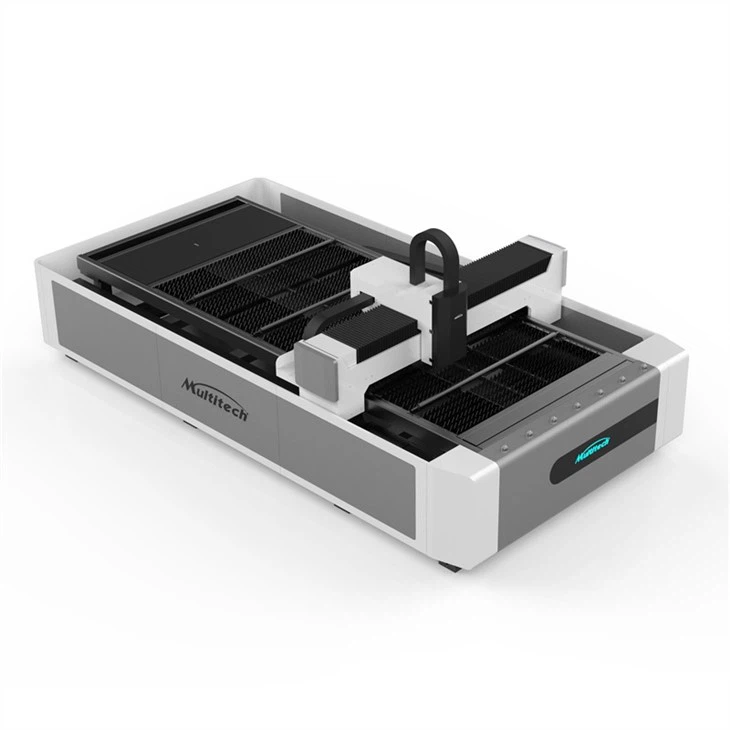
Dust Production in Plasma Cutting
Yes, a plasma cutting machine does produce dust during the cutting process. The dust is mainly composed of metal particles that are melted and ejected from the workpiece. When the plasma jet hits the metal, it melts a small area of the material, and the high - velocity gas blows the molten metal away. Some of this molten metal solidifies in the air and forms fine dust particles.
The amount of dust produced can vary depending on several factors:
1. Material Type
Different metals produce different amounts of dust. For example, cutting steel generally produces more dust compared to cutting aluminum. Steel has a higher melting point and a different composition, which results in more molten metal being ejected during the cutting process. On the other hand, aluminum has a lower melting point and a more fluid molten state, which may lead to less dust formation.
2. Cutting Thickness
Thicker materials require more energy to cut, which means more molten metal is generated. As a result, cutting thicker metals will typically produce more dust than cutting thinner ones. For instance, cutting a 2 - inch thick steel plate will generate significantly more dust than cutting a 1/4 - inch thick plate.
3. Cutting Speed
The speed at which the plasma cutting machine moves across the workpiece also affects dust production. A slower cutting speed allows more time for the plasma to melt the metal, which can result in more molten metal being ejected and thus more dust. Conversely, a faster cutting speed may reduce the amount of molten metal and dust, but it may also affect the quality of the cut.
4. Plasma Cutting System Settings
The settings of the plasma cutting system, such as the amperage, gas flow rate, and nozzle size, can have a significant impact on dust production. Higher amperage settings increase the energy of the plasma jet, which can lead to more molten metal and dust. Similarly, improper gas flow rates or nozzle sizes can cause inefficient cutting and increase dust generation.
The Impact of Dust
The dust produced by plasma cutting machines can have several negative impacts:
1. Health Risks
Inhaling metal dust can be harmful to human health. Some metals, such as lead, cadmium, and chromium, can cause serious health problems, including respiratory diseases, lung cancer, and neurological disorders. Even non - toxic metals can cause irritation to the lungs and eyes if inhaled in large quantities.
2. Environmental Pollution
The dust can also contribute to environmental pollution. If not properly controlled, the dust can be released into the air and contaminate the surrounding environment. It can also settle on the ground and water sources, potentially affecting soil quality and aquatic life.
3. Equipment Damage
The dust can accumulate on the plasma cutting machine and other equipment in the workshop. This can cause damage to the moving parts, electrical components, and optical systems of the machine, reducing its lifespan and performance.
Mitigating Dust Production
As a Plasma Cutting Machine supplier, I understand the importance of minimizing dust production. Here are some measures that can be taken to reduce dust:
1. Use a Dust Collection System
A dust collection system is an effective way to capture and remove the dust generated during plasma cutting. These systems typically consist of a hood or enclosure that is placed over the cutting area, a ductwork system, and a dust collector. The dust collector uses filters to trap the dust particles, preventing them from being released into the air.
2. Water Table Cutting
Water table cutting is another method to reduce dust. In this process, the workpiece is placed in a water - filled table. When the plasma jet cuts through the metal, the water absorbs the heat and quenches the molten metal, reducing the amount of dust that is ejected into the air. Additionally, the water helps to suppress the fumes and noise generated during cutting.
3. Optimize Cutting Parameters
By carefully adjusting the cutting parameters, such as the amperage, gas flow rate, and cutting speed, the amount of dust produced can be minimized. It is important to find the right balance between cutting quality and dust reduction. For example, using the appropriate amperage for the material thickness can prevent excessive melting and dust generation.
4. Regular Maintenance
Regular maintenance of the plasma cutting machine is essential to ensure its efficient operation and reduce dust production. This includes cleaning the machine, replacing worn - out parts, and checking the cutting torch for proper alignment and performance.
Our Plasma Cutting Machines
At our company, we offer a wide range of high - quality plasma cutting machines, including CNC Plasma Cutter, Plasma Metal Cutting Machine, and CNC Plasma Tube Cutter. Our machines are designed with advanced technology to minimize dust production while providing excellent cutting performance.
We also provide comprehensive support and advice on dust control measures to our customers. Our team of experts can help you select the right plasma cutting machine and dust collection system for your specific needs, and guide you on how to optimize the cutting process to reduce dust.
Conclusion
In conclusion, while plasma cutting machines do produce dust, the amount of dust can be effectively managed through proper equipment selection, process optimization, and the use of dust control measures. As a Plasma Cutting Machine supplier, we are committed to providing our customers with high - quality machines and solutions that not only meet their cutting requirements but also minimize the environmental and health impacts associated with dust production.
If you are interested in purchasing a plasma cutting machine or have any questions about dust control in plasma cutting, please feel free to contact us. We look forward to discussing your needs and helping you find the best solution for your business.
References
- American Welding Society. "Plasma Arc Cutting Handbook."
- Occupational Safety and Health Administration (OSHA). "Metalworking Processes and Health Hazards."
- Various industry research papers on plasma cutting technology and dust control.