

CNC fiber lasers have revolutionized the manufacturing industry, offering high - precision cutting solutions for a wide range of materials. As a CNC fiber laser supplier, I often get asked about how our machines can cut materials with different hardness levels. In this blog post, I'll delve into the science behind it and explain the various factors at play.

The Basics of CNC Fiber Laser Cutting
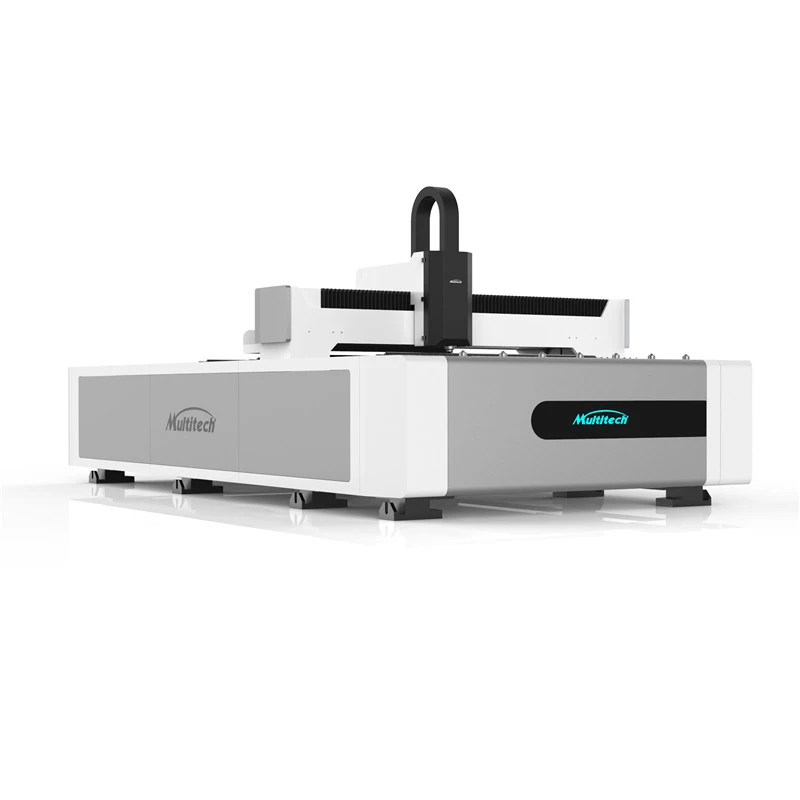
Before we discuss cutting different hardness materials, let's understand the fundamental principle of CNC fiber laser cutting. A CNC (Computer Numerical Control) fiber laser cutting machine uses a high - energy laser beam generated by a fiber laser source. The laser beam is focused onto the material surface through a series of optical components, such as lenses and mirrors. When the laser beam hits the material, it heats, melts, and vaporizes the material, creating a narrow cut.
The CNC system controls the movement of the laser head and the material, allowing for precise and complex cutting patterns. This combination of high - energy laser and precise control makes CNC fiber lasers an ideal choice for many manufacturing applications.
Cutting Soft Materials
Soft materials, such as aluminum, are relatively easy to cut with a CNC fiber laser. Aluminum has a low melting point and good thermal conductivity, which means that the laser energy can quickly heat and melt the material.
When cutting aluminum, the key is to adjust the laser power and cutting speed properly. For thinner aluminum sheets, a lower laser power and higher cutting speed can be used. This helps to prevent excessive melting and dross formation. Our Aluminum Fiber Laser Cutting Machine is specifically designed to handle aluminum cutting with high efficiency. It can adjust the laser parameters automatically based on the thickness and type of the aluminum sheet, ensuring a clean and precise cut.
Another important factor is the assist gas. In aluminum cutting, nitrogen is often used as the assist gas. Nitrogen helps to blow away the molten material and prevent oxidation on the cut surface. This results in a smooth and shiny cut edge, which is especially important for applications where aesthetics matter.
Cutting Medium - Hard Materials
Stainless steel is a common medium - hard material that is widely used in various industries. Cutting stainless steel with a CNC fiber laser requires a different approach compared to aluminum.
Stainless steel has a higher melting point and lower thermal conductivity than aluminum. Therefore, a higher laser power is usually needed to melt the material. However, increasing the laser power alone is not enough. The cutting speed also needs to be carefully adjusted to ensure that the heat is concentrated in the cutting area and does not cause excessive heat - affected zones (HAZ).
Our Stainless Steel Laser Cutter is equipped with advanced control systems that can optimize the laser power and cutting speed for different thicknesses of stainless steel. For example, when cutting thin stainless steel sheets (less than 3mm), a relatively high cutting speed can be maintained with a moderate laser power. But for thicker sheets (over 10mm), a lower cutting speed and higher laser power are required.
Oxygen is often used as the assist gas when cutting stainless steel. Oxygen reacts with the stainless steel at high temperatures, releasing additional heat and helping to melt the material more efficiently. However, this also leads to the formation of an oxide layer on the cut edge. In some cases, post - processing may be required to remove the oxide layer if a clean and corrosion - resistant surface is needed.
Cutting Hard Materials
Hard materials, such as tool steel and titanium, pose a greater challenge for CNC fiber laser cutting. These materials have very high melting points and are often difficult to heat and melt.
To cut hard materials, a high - power laser is essential. Our CNC fiber lasers can be configured with high - power laser sources, up to several kilowatts, to provide enough energy to melt the hard materials. In addition to high power, a slower cutting speed is also necessary to allow the laser energy to penetrate and heat the material effectively.
Another important aspect is the choice of assist gas. Argon is often used when cutting hard materials. Argon is an inert gas, which means it does not react with the material during the cutting process. This helps to prevent oxidation and contamination of the cut surface, resulting in a high - quality cut.
However, cutting hard materials also generates a lot of heat, which can cause thermal stress and deformation in the material. To minimize these issues, pre - heating the material or using a cooling system during the cutting process may be necessary.
Factors Affecting Cutting Performance
Apart from the hardness of the material, several other factors can affect the cutting performance of a CNC fiber laser.
Laser Beam Quality
The quality of the laser beam, including its mode, focus diameter, and divergence angle, has a significant impact on the cutting quality. A high - quality laser beam can be focused to a smaller spot size, which means higher energy density and more precise cutting. Our CNC fiber lasers are designed to produce high - quality laser beams, ensuring excellent cutting performance.
Machine Stability
The stability of the CNC fiber laser cutting machine is crucial for accurate and consistent cutting. A stable machine frame, high - precision linear guides, and a reliable drive system can minimize vibrations and errors during the cutting process. Our machines are built with high - quality components and undergo strict quality control to ensure long - term stability.
Control Software
Advanced control software is essential for optimizing the cutting process. The software can adjust the laser parameters in real - time based on the material properties and cutting requirements. It can also simulate the cutting process before actual cutting, allowing operators to detect and correct potential problems in advance.
Conclusion
As a CNC fiber laser supplier, we understand the challenges of cutting materials with different hardness levels. Our machines are designed to provide flexible and efficient cutting solutions for a wide range of materials, from soft aluminum to hard tool steel.
Whether you are looking for a Metal Sheet Fiber Laser Cutting Machine for general metal cutting or a specialized Stainless Steel Laser Cutter for high - quality stainless steel processing, we have the right equipment for you.
If you are interested in our CNC fiber laser cutting machines and would like to discuss your specific requirements, please feel free to contact us. Our team of experts is ready to provide you with detailed information and technical support. We look forward to working with you to achieve your manufacturing goals.
References
- "Laser Cutting: Theory and Practice" by John C. Ion
- "Modern Manufacturing Processes" by Robert L. Norton
- Industry whitepapers on CNC fiber laser cutting technology