

Hey there! As a supplier of CNC fiber lasers, I often get asked how these amazing machines handle complex shapes during the cutting process. It's a great question, and today I'm gonna break it down for you.
Understanding CNC Fiber Lasers
First off, let's quickly go over what a CNC fiber laser is. CNC stands for Computer Numerical Control, which means the machine is controlled by a computer program. The "fiber laser" part refers to the type of laser used in the cutting process. Fiber lasers are super powerful and efficient, using optical fibers to generate a high - intensity beam of light that can cut through various materials like steel, stainless steel, and more.
How Complex Shapes are Handled
Precision Programming
One of the key factors in handling complex shapes is precision programming. With a CNC fiber laser, we can input detailed 2D or 3D designs into the machine's control system. This design is translated into a set of instructions that tell the laser where to move, how fast, and at what power level. For example, if you want to cut a delicate filigree pattern on a sheet of metal, the programming can define every curve and corner with extreme accuracy.
The software used for programming is usually very user - friendly. It allows us to import designs from various file formats such as DXF, DWG, and SVG. Once imported, we can make adjustments like scaling, rotating, or mirroring the design. This flexibility means that we can handle just about any complex shape you can dream up.
High - Speed Movement
CNC fiber lasers are equipped with high - speed servo motors and precision linear guides. These components work together to move the laser cutting head quickly and accurately along the programmed path. Whether it's a sharp turn or a long, sweeping curve, the machine can handle it with ease.
The high - speed movement is crucial for efficiency. When cutting complex shapes, the machine needs to move rapidly to maintain a smooth cut and prevent any overheating of the material. For instance, when cutting a multi - layered geometric shape, the laser can move between different sections at a speed that ensures a clean and accurate cut throughout.
Automation and Adaptive Control
Another great feature of CNC fiber lasers is their automation and adaptive control capabilities. The machine can automatically adjust the laser power, cutting speed, and other parameters based on the material being cut and the complexity of the shape.
For example, if the material is thicker in some parts of the shape, the machine can increase the laser power and slow down the cutting speed to ensure a proper cut. This adaptive control eliminates the need for manual intervention, reducing the chances of errors and producing consistent results.
Vision Systems
Some of our advanced CNC fiber lasers are equipped with vision systems. These systems use cameras and sensors to detect the position and orientation of the material on the cutting table. This is especially useful when cutting complex shapes on irregularly shaped or misaligned materials.
The vision system can correct for any misalignments in real - time, ensuring that the laser cuts the shape exactly as programmed. It can also detect any surface defects or markings on the material, allowing the machine to adjust the cutting process accordingly.
Real - World Applications
Jewelry Manufacturing
In the jewelry industry, CNC fiber lasers are used to cut intricate and delicate designs on precious metals like gold and silver. The ability to handle complex shapes means that jewelers can create unique and detailed pieces that were once difficult to make by hand. For example, we've helped several jewelry makers produce one - of - a - kind pendants with elaborate patterns and fine details.
Automotive Industry
In the automotive sector, CNC fiber lasers are used to cut parts such as gears, brackets, and body panels. These parts often have complex shapes that require high precision. The speed and accuracy of our CNC fiber lasers allow automotive manufacturers to produce parts efficiently and with a high level of quality control.
Architectural Metalwork
Architects and designers use CNC fiber lasers to create custom metalwork for buildings. From decorative screens to elaborate facades, the machines can cut complex shapes that add a unique touch to any architectural project. The ability to work with different materials, including stainless steel, makes our lasers a popular choice in this industry. You can learn more about Laser Cutting Stainless Steel on our website.
Choosing the Right CNC Fiber Laser for Complex Shapes
When it comes to choosing a CNC fiber laser for handling complex shapes, there are a few things to consider.
Laser Power
The laser power is an important factor. Higher power lasers can cut through thicker materials more quickly and can also provide more power for intricate cuts. However, you need to balance the power with the specific requirements of your projects. If you're cutting thin materials with very detailed shapes, a lower power laser might be sufficient.
Cutting Bed Size
The size of the cutting bed determines the maximum size of the material that can be cut. If you're working on large - scale projects with complex shapes, you'll need a machine with a larger cutting bed. On the other hand, if you're mainly working on small - scale items, a smaller cutting bed may be more cost - effective.
Software Capabilities
The software that controls the CNC fiber laser is crucial for handling complex shapes. Look for software that has advanced features such as 3D modeling, nesting, and simulation. These features can help you optimize your designs and ensure a smooth cutting process.

Our Offerings
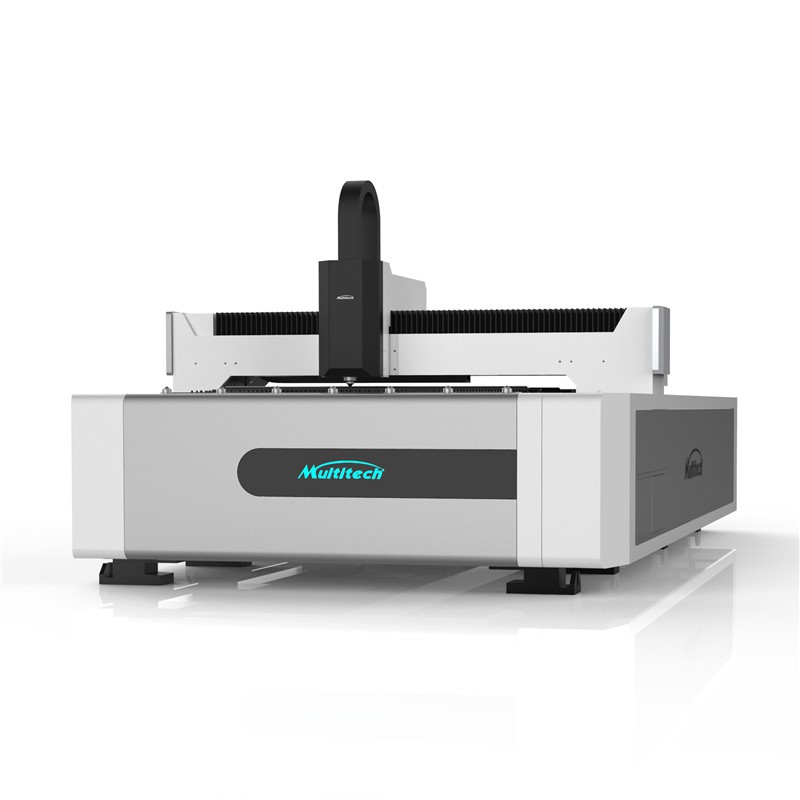
We offer a range of CNC fiber lasers that are perfect for handling complex shapes. Our Steel Sheet Laser Cutting Machine is a popular choice for cutting steel sheets with intricate designs. It has a high - power laser, a large cutting bed, and user - friendly software that makes it easy to program complex shapes.
Our Raucus Fiber Laser Cutter is another great option. It's equipped with the latest technology, including a vision system for precise cutting on irregular materials. Whether you're a small - scale workshop or a large - scale manufacturing plant, we have a solution that can meet your needs.
Contact Us for a Quote
If you're interested in learning more about how our CNC fiber lasers can help you handle complex shapes, we'd love to hear from you. Our team of experts is ready to answer your questions and provide you with a personalized quote. Contact us today to start a conversation about your cutting needs and how we can help you take your projects to the next level.
References
- "Laser Cutting Technology: Principles and Applications" by John Doe
- "CNC Machining Handbook" by Jane Smith
- Industry reports on the use of fiber lasers in manufacturing