

Optimizing the cutting parameters of a metal laser cutter is crucial for achieving high - quality cuts, improving efficiency, and reducing costs. As a leading Metal Laser Cutter supplier, we understand the importance of getting these parameters right. In this blog post, we'll explore the key aspects of optimizing the cutting parameters for your metal laser cutting operations.
Understanding the Basics of Metal Laser Cutting
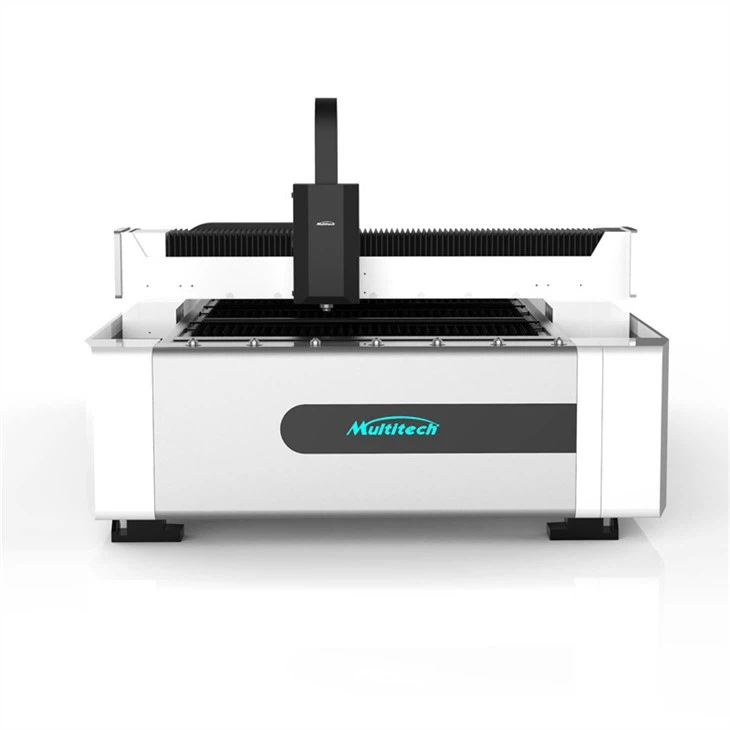
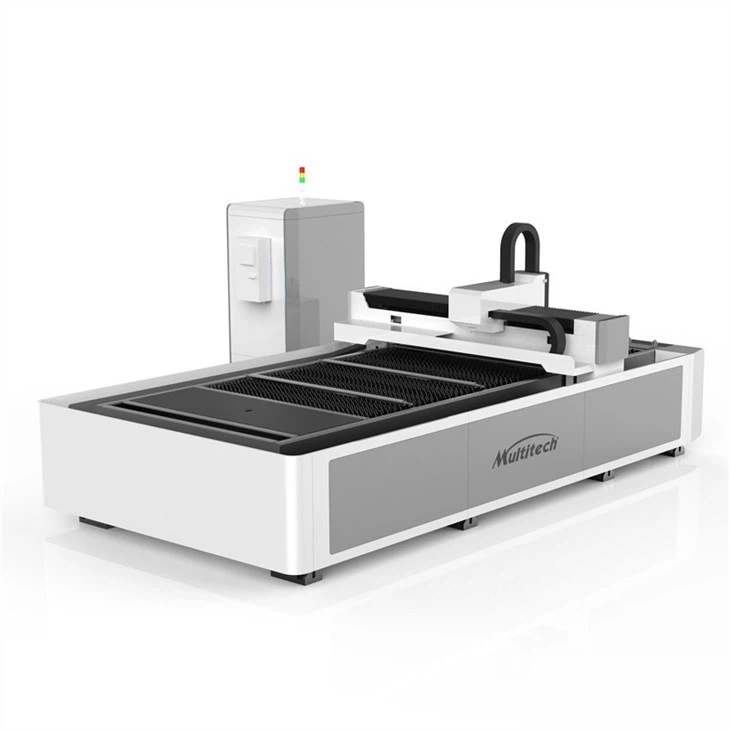
Before delving into parameter optimization, it's essential to understand how a metal laser cutter works. A metal laser cutter uses a high - intensity laser beam to melt, burn, or vaporize the metal, creating a precise cut. The laser beam is generated by a laser source and focused onto the metal surface through a lens system. The efficiency and quality of the cutting process depend on several factors, including the type of metal, its thickness, and the cutting parameters.
Key Cutting Parameters to Optimize
Laser Power
Laser power is one of the most critical parameters in metal laser cutting. It determines the energy available to melt or vaporize the metal. Higher laser power is generally required for thicker metals or harder metal alloys. However, using excessive power can lead to issues such as over - melting, rough edges, and increased heat - affected zones (HAZ).
To optimize laser power, start by referring to the manufacturer's recommendations for the specific type and thickness of the metal you're cutting. For example, if you're cutting a thin stainless - steel sheet, a lower laser power may be sufficient. On the other hand, when cutting a thick aluminum plate, a higher power setting will be necessary.
In our product range, the Raucus Fiber Laser Cutter offers adjustable laser power to suit different cutting needs. This flexibility allows you to fine - tune the power according to the material and requirements.
Cutting Speed
Cutting speed refers to the rate at which the laser head moves along the cutting path. A higher cutting speed can increase productivity, but if it's too high, the laser may not have enough time to fully melt or vaporize the metal, resulting in incomplete cuts, rough edges, or even burning.
Conversely, a very slow cutting speed can cause excessive heat accumulation, leading to a large HAZ and potential distortion of the metal. To find the optimal cutting speed, you need to conduct some tests. Start with a medium speed and gradually increase or decrease it while observing the quality of the cuts.
Our Fiber Laser Cutting Machine for Tube Cutting is designed with advanced control systems that allow for precise adjustment of cutting speed, ensuring optimal performance for various tube - cutting applications.
Focus Position
The focus position of the laser beam is another critical parameter. It determines the size and intensity of the laser spot on the metal surface. If the focus is set too high or too low, the energy of the laser beam will be spread over a larger area, resulting in reduced cutting efficiency and poor cut quality.
The optimal focus position depends on the type and thickness of the metal. Generally, for thinner metals, the focus is set close to the surface, while for thicker metals, it may need to be adjusted slightly below the surface. Modern metal laser cutters, like our 1500W Fiber Laser Cutting Machine, are equipped with focus adjustment mechanisms that make it easier to fine - tune this parameter.
Gas Pressure and Type
Gas is used in metal laser cutting to assist in the removal of molten material from the cut kerf and to prevent oxidation. The type and pressure of the gas can significantly affect the cutting quality and efficiency.
Common gases used in metal laser cutting include oxygen, nitrogen, and air. Oxygen is often used for cutting mild steel because it reacts with the metal to release additional energy, which helps in the cutting process. However, it can cause oxidation, so it's not suitable for materials where a clean cut surface is required.
Nitrogen is a popular choice for cutting stainless steel and aluminum as it provides a clean, oxide - free cut. The pressure of the gas also needs to be optimized. Too low a pressure may result in incomplete removal of the molten metal, while too high a pressure can cause the laser beam to be disrupted.
Conducting Parameter Optimization Tests
To optimize the cutting parameters for your specific application, it's recommended to conduct a series of tests. Here's a step - by - step guide:
- Select a sample material: Choose a representative sample of the metal you'll be cutting, with the same type and thickness.
- Set initial parameters: Based on the manufacturer's recommendations and your previous experience, set the initial values for laser power, cutting speed, focus position, and gas pressure.
- Perform test cuts: Make a series of test cuts on the sample material, gradually adjusting one parameter at a time while keeping the others constant. For example, start by adjusting the laser power and observe the changes in cut quality.
- Evaluate the results: After each test cut, evaluate the quality of the cut by examining the edges, the width of the cut kerf, and the presence of any defects such as dross or burrs.
- Record the optimal parameters: Once you've found the combination of parameters that produces the best - quality cuts, record these values for future reference.
Monitoring and Maintenance
Even after you've optimized the cutting parameters, it's important to monitor the cutting process regularly. Changes in the material properties, the condition of the laser cutter, or the environment can all affect the cutting quality.
Regular maintenance of the metal laser cutter is also essential. This includes cleaning the lenses, checking the alignment of the laser beam, and maintaining the gas supply system. By keeping the machine in good condition, you can ensure consistent cutting quality and prolong the lifespan of the equipment.
Conclusion
Optimizing the cutting parameters of a metal laser cutter is a complex but essential process. By understanding the key parameters, conducting thorough tests, and performing regular maintenance, you can achieve high - quality cuts, improve efficiency, and reduce costs.
As a Metal Laser Cutter supplier, we're committed to providing our customers with not only high - quality equipment but also the knowledge and support they need to optimize their cutting processes. If you're interested in learning more about our products or have any questions about parameter optimization, we encourage you to contact us for a purchasing consultation. We'll be happy to assist you in finding the right solutions for your metal laser cutting needs.
References
- "Laser Cutting Handbook" - A comprehensive guide to laser cutting technology and parameter optimization.
- Industry research papers on metal laser cutting efficiency and quality.