

As a supplier of CNC Laser Cutting Machines, I understand the importance of optimizing the cutting path for these machines. An optimized cutting path can significantly improve the efficiency, quality, and cost - effectiveness of the laser cutting process. In this blog, I will share some key strategies and considerations on how to optimize the cutting path of a CNC laser cutting machine.
Understanding the Basics of Cutting Path Optimization
The cutting path refers to the route that the laser head follows on the material during the cutting process. A well - optimized cutting path can reduce the cutting time, minimize the consumption of the laser source, and improve the surface quality of the cut parts.
One of the primary goals of cutting path optimization is to minimize the non - cutting movement of the laser head. Non - cutting movement includes the time when the laser is not actively cutting but is moving from one cutting point to another. By reducing this idle time, we can increase the overall productivity of the machine.
Strategies for Optimizing the Cutting Path
Nesting
Nesting is the process of arranging multiple parts on a single sheet of material in the most efficient way possible. This technique can significantly reduce the amount of wasted material and the overall cutting time. For example, by using software that can automatically nest parts, we can ensure that there is minimal empty space between the parts on the sheet.

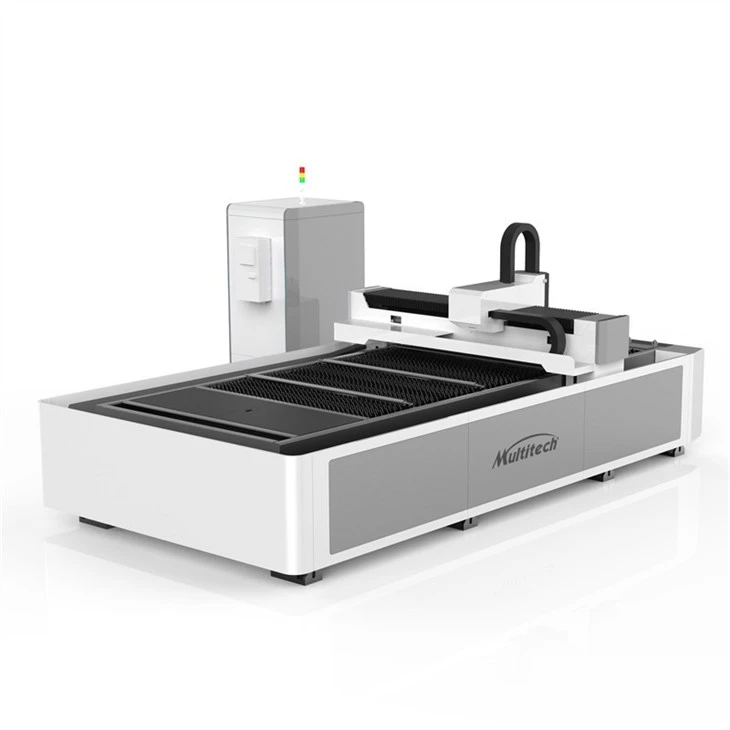
When nesting, it is important to consider the shape and size of the parts. Irregularly shaped parts may require more careful placement to achieve optimal nesting. Some advanced nesting software can even take into account the orientation of the parts to further improve the nesting efficiency. By using nesting software, we can make the most of each sheet of material, which is not only cost - effective but also environmentally friendly. For our Fiber Laser Cutting Machines, proper nesting can enhance their performance and reduce the cost of production for our customers.
Cutting Sequence
The cutting sequence is another crucial factor in optimizing the cutting path. A good cutting sequence can prevent the material from shifting during the cutting process and reduce the heat - affected zone.
One common approach is to start with the internal cuts before moving on to the external cuts. This is because internal cuts are more likely to cause the material to deform if the external shape is not yet fully defined. By cutting the internal features first, we can ensure that the material remains stable during the entire cutting process.
Also, when cutting multiple parts on a single sheet, it is advisable to group parts that are close to each other and cut them in a logical sequence. This can reduce the non - cutting movement of the laser head as it moves from one part to another. For instance, if we have a group of small parts clustered in one area of the sheet, we can cut all these parts in a continuous sequence before moving to another area of the sheet.
Minimizing Corners and Sharp Turns
Sharp corners and turns in the cutting path can slow down the laser head and increase the wear and tear on the machine. When designing the cutting path, it is important to use rounded corners or smooth curves whenever possible.
A rounded corner allows the laser head to maintain a more consistent speed, which can improve the cutting quality and reduce the cutting time. Some CNC laser cutting machines have the ability to automatically adjust the cutting speed at corners to minimize the impact on the machine and the material. By reducing the number of sharp corners and turns, we can extend the lifespan of the machine and improve the overall efficiency of the cutting process.
Utilizing Advanced Software
Modern CNC laser cutting machines are often equipped with advanced software that can help optimize the cutting path. This software can perform complex calculations and simulations to determine the most efficient cutting path based on the shape and size of the parts, the material properties, and the capabilities of the machine.
Some software can also take into account the laser power, cutting speed, and gas pressure to further optimize the cutting process. For example, it can adjust the cutting parameters in real - time to ensure that the laser is operating at its optimal performance.
Moreover, the software can generate a preview of the cutting path, allowing operators to visualize the process before starting the actual cutting. This can help identify any potential issues or areas for improvement in the cutting path. Our Stainless Steel Fiber Laser Cutting Machine and 2000W Fiber Laser Cutting Machine are compatible with such advanced software, which can greatly enhance the cutting path optimization for our customers.
Considering Material Properties
Different materials have different properties, such as thickness, hardness, and thermal conductivity, which can affect the cutting path optimization.
For example, thicker materials may require slower cutting speeds and higher laser power. When optimizing the cutting path for thick materials, we may need to adjust the cutting sequence and the nesting to ensure that the laser can penetrate the material effectively.
Harder materials, on the other hand, may cause more wear and tear on the laser head. In this case, it is important to use a cutting path that minimizes the number of stops and starts to reduce the impact on the machine. Also, materials with high thermal conductivity may require a different cutting strategy to prevent overheating and distortion.
Training and Operator Skills
Even with the most advanced software and machines, the skills and knowledge of the operators play a vital role in optimizing the cutting path. Operators should be trained to understand the principles of cutting path optimization and how to use the machine's software effectively.
They should be able to analyze the cutting path and make adjustments based on the specific requirements of each job. For example, if they notice that the cutting quality is not satisfactory, they should be able to identify whether it is due to the cutting path or other factors such as the laser power or gas pressure.
Regular training sessions can keep the operators updated on the latest techniques and best practices in cutting path optimization. This can lead to better utilization of our CNC laser cutting machines and improved customer satisfaction.
Conclusion
Optimizing the cutting path of a CNC laser cutting machine is a multi - faceted process that involves strategies such as nesting, choosing the right cutting sequence, minimizing sharp turns, utilizing advanced software, considering material properties, and training the operators.
By implementing these strategies, we can improve the efficiency, quality, and cost - effectiveness of the laser cutting process. As a supplier of CNC Laser Cutting Machines, we are committed to providing our customers with the best solutions for cutting path optimization.
If you are interested in learning more about our Fiber Laser Cutting Machines, Stainless Steel Fiber Laser Cutting Machine, or 2000W Fiber Laser Cutting Machine, and how to optimize their cutting paths, please feel free to contact us for further discussion and potential procurement. We look forward to working with you to achieve the best results in your laser cutting operations.
References
- "CNC Laser Cutting Technology: Principles and Applications" by John Smith
- "Advanced Manufacturing Processes: Laser Cutting" by Jane Doe
- Technical manuals of our CNC Laser Cutting Machines