

Corrosion is a common and troublesome issue that can significantly impact the performance and lifespan of metal laser cutters. As a reputable supplier of metal laser cutters, including top - notch products like the Fiber Cutter for Steel, Industrial Laser Cutting Machine, and Dual Table Laser Metal Cutting Machine, I understand the importance of preventing corrosion to ensure the optimal operation of these valuable machines. In this blog, I will share some effective strategies to prevent corrosion in a metal laser cutter.
Understanding the Causes of Corrosion in Metal Laser Cutters
Before delving into prevention methods, it's crucial to understand what causes corrosion in metal laser cutters. Corrosion is essentially an electrochemical process that occurs when metal reacts with its environment. In the case of metal laser cutters, several factors can contribute to this process:

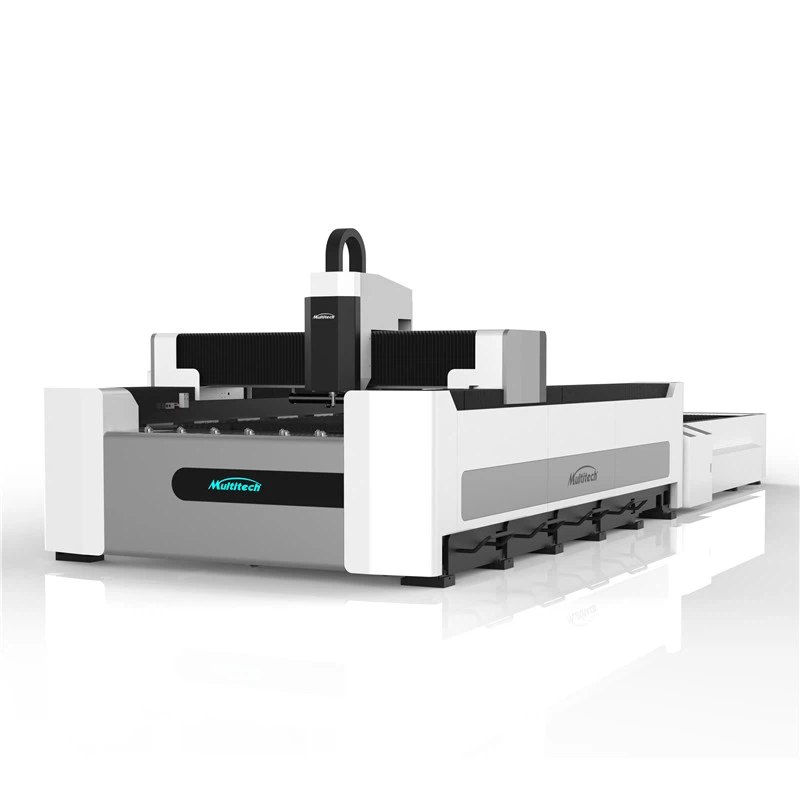
- Moisture: Water is one of the primary catalysts for corrosion. High humidity in the operating environment, condensation on the machine's surface, or exposure to liquid coolant leaks can all introduce moisture to the metal components of the laser cutter. When metal comes into contact with water, a chemical reaction takes place, leading to the formation of rust.
- Chemicals: The laser cutting process often involves the use of various chemicals, such as lubricants, coolants, and cleaning agents. If these chemicals are not properly selected or maintained, they can react with the metal surfaces of the cutter, causing corrosion. Additionally, airborne chemicals in the manufacturing environment, such as acids or alkalis, can also accelerate the corrosion process.
- Oxygen: Oxygen in the air is another essential component for corrosion. When metal is exposed to oxygen, a thin layer of oxide forms on its surface. If this oxide layer is not stable or is damaged, further oxidation can occur, leading to corrosion.
- Mechanical Damage: Scratches, dents, or other forms of mechanical damage to the metal surface can expose the underlying metal to the environment, making it more susceptible to corrosion. These damaged areas provide sites for corrosion to initiate and spread.
Preventive Measures
Environmental Control
- Humidity Management: Maintaining a stable and low - humidity environment is crucial for preventing corrosion in metal laser cutters. Ideally, the relative humidity in the operating area should be kept below 60%. This can be achieved through the use of dehumidifiers, especially in areas with high ambient humidity. Additionally, proper ventilation should be ensured to remove moisture from the air.
- Temperature Control: Extreme temperatures can also affect the corrosion rate. High temperatures can accelerate chemical reactions, while low temperatures can cause condensation. Therefore, it's important to keep the operating temperature of the laser cutter within a suitable range. Most metal laser cutters operate best at temperatures between 20°C and 30°C.
- Clean and Dust - Free Environment: Dust and dirt can accumulate on the metal surfaces of the laser cutter, trapping moisture and chemicals and promoting corrosion. Regular cleaning of the machine and its surrounding area is essential. Use a soft, dry cloth to wipe the surfaces, and avoid using abrasive cleaners that could damage the metal.
Proper Use and Maintenance of Chemicals
- Coolant and Lubricant Selection: Choose high - quality coolants and lubricants that are specifically designed for use in metal laser cutters. These products should have anti - corrosion properties to protect the metal components. Follow the manufacturer's recommendations regarding the type and frequency of coolant and lubricant changes.
- Cleaning Agents: When cleaning the laser cutter, use mild, non - corrosive cleaning agents. Avoid using acidic or alkaline cleaners that can damage the metal surfaces. After cleaning, make sure to thoroughly dry the machine to prevent moisture from causing corrosion.
- Chemical Storage: Store all chemicals properly in a cool, dry place. Keep them in sealed containers to prevent evaporation and contamination. Label the containers clearly to avoid mix - ups.
Protective Coatings
- Paint and Powder Coating: Applying a protective paint or powder coating to the metal surfaces of the laser cutter can provide a physical barrier between the metal and the environment. These coatings can prevent moisture, oxygen, and chemicals from coming into contact with the metal, reducing the risk of corrosion. Make sure to choose a coating that is resistant to the chemicals and operating conditions of the laser cutter.
- Galvanization: Galvanizing is a process of coating the metal with a layer of zinc. Zinc is more reactive than most metals, so it corrodes preferentially, protecting the underlying metal. Galvanized metal components can significantly extend the lifespan of the laser cutter by providing long - term corrosion resistance.
- Anti - Corrosion Sprays: There are various anti - corrosion sprays available on the market that can be applied to the metal surfaces of the laser cutter. These sprays form a thin, protective film on the metal, preventing corrosion. They are particularly useful for hard - to - reach areas or for providing additional protection during periods of inactivity.
Regular Inspection and Maintenance
- Visual Inspections: Conduct regular visual inspections of the metal laser cutter to check for signs of corrosion, such as rust spots, discoloration, or pitting. Pay special attention to areas that are prone to moisture accumulation, such as the base of the machine, coolant lines, and electrical connections.
- Component Checks: Inspect all metal components of the laser cutter, including the frame, guide rails, and cutting heads. Look for any signs of mechanical damage or wear that could lead to corrosion. Replace any damaged components promptly to prevent further corrosion.
- Fluid Checks: Regularly check the levels and quality of coolants, lubricants, and other fluids used in the laser cutter. If the fluid appears dirty or contaminated, replace it immediately. Also, check for any leaks in the fluid lines and repair them as soon as possible.
- Electrical System Inspection: The electrical system of the laser cutter can also be affected by corrosion. Inspect the electrical connections, wires, and control panels for signs of corrosion or damage. Clean and tighten any loose connections to ensure proper electrical conductivity.
Material Selection
When manufacturing metal laser cutters, choosing the right materials is essential for corrosion prevention. Stainless steel is a popular choice for many components of laser cutters because of its high corrosion resistance. Stainless steel contains chromium, which forms a passive oxide layer on the surface, protecting the metal from further oxidation. Other corrosion - resistant materials, such as aluminum alloys, can also be used for certain components.
Training and Education
Proper training of operators is another important aspect of preventing corrosion in metal laser cutters. Operators should be educated about the causes of corrosion, the importance of preventive measures, and how to identify and address early signs of corrosion. They should also be trained on the correct use and maintenance of the laser cutter, including proper handling of chemicals, cleaning procedures, and environmental control.
Conclusion
Preventing corrosion in metal laser cutters is a multi - faceted approach that requires attention to environmental factors, proper use and maintenance of chemicals, protective coatings, regular inspections, and material selection. By implementing these preventive measures, you can significantly extend the lifespan of your metal laser cutter, reduce maintenance costs, and ensure consistent and high - quality cutting performance.
As a supplier of metal laser cutters, we are committed to providing our customers with high - quality products and comprehensive support to help them prevent corrosion and maintain the optimal performance of their machines. If you are interested in purchasing a metal laser cutter or need further advice on corrosion prevention, please feel free to contact us for a detailed discussion and procurement negotiation.
References
- Fontana, M. G. (1986). Corrosion Engineering. McGraw - Hill.
- Uhlig, H. H., & Revie, R. W. (1985). Corrosion and Corrosion Control. Wiley - Interscience.
- ASTM International. (2019). ASTM Standard Practices for Corrosion Testing of Metals. ASTM International.