

As a supplier of 30001500mm Fiber Laser Cutters, I understand the critical importance of preventing laser leakage in these machines. Laser leakage not only poses significant safety risks to operators but also can lead to environmental concerns and potential damage to the equipment itself. In this blog post, I will share some effective strategies and best practices on how to prevent laser leakage in a 30001500mm fiber laser cutter.
Understanding the Risks of Laser Leakage
Before delving into prevention methods, it's essential to understand the risks associated with laser leakage. High - power lasers used in fiber laser cutters can cause severe eye damage, skin burns, and even ignition of flammable materials. Moreover, long - term exposure to low - level laser radiation can have cumulative health effects on operators. From an equipment perspective, laser leakage can lead to premature wear and tear of components, reduced cutting quality, and increased maintenance costs.
1. Proper Installation and Alignment
The first step in preventing laser leakage is ensuring proper installation and alignment of the laser cutter. When installing the 3000*1500mm fiber laser cutter, it is crucial to follow the manufacturer's guidelines meticulously. The laser source, beam delivery system, and cutting head should be installed precisely to ensure that the laser beam travels along the intended path.
- Foundation and Stability: The machine should be installed on a stable foundation. Any vibrations or movements during operation can cause misalignment of the laser components, leading to potential leakage. A solid concrete floor or a specially designed machine base can provide the necessary stability.
- Beam Alignment: Regularly check and adjust the alignment of the laser beam. This can be done using alignment tools provided by the manufacturer. Misaligned beams may leak out of the intended cutting area, posing risks. For example, if the cutting head is misaligned, the laser beam may not be focused correctly on the workpiece, and some of the energy may escape.
2. High - Quality Sealing
Sealing is a key factor in preventing laser leakage. All access points, such as doors, windows, and cable entries, should be properly sealed to prevent the laser beam from escaping.
- Door Seals: The doors of the laser cutter enclosure should be equipped with high - quality seals. These seals should be made of materials that can withstand the high - energy laser radiation and environmental factors. Regularly inspect the seals for signs of wear, damage, or aging. Replace any damaged seals immediately.
- Window Seals: If the laser cutter has viewing windows, ensure that the seals around the windows are intact. The windows themselves should be made of laser - resistant materials that can block the laser beam while allowing operators to observe the cutting process.
3. Enclosure Design
A well - designed enclosure is essential for containing the laser beam. The enclosure of the 3000*1500mm fiber laser cutter should be designed to meet the relevant safety standards.
- Material Selection: The enclosure should be made of materials that can absorb or reflect laser radiation. Metals such as steel or aluminum are commonly used due to their good laser - blocking properties. The thickness of the enclosure material also matters; thicker materials generally provide better protection.
- Interlock Systems: Install interlock systems on the enclosure doors. These systems prevent the laser from operating when the doors are open. For example, if an operator opens the door during the cutting process, the interlock system will immediately shut off the laser, eliminating the risk of laser leakage.
4. Regular Maintenance and Inspection
Regular maintenance and inspection are crucial for preventing laser leakage. A proactive maintenance schedule can help identify and address potential issues before they lead to leakage.
- Component Inspection: Regularly inspect all laser components, including the laser source, beam delivery system, and cutting head. Check for signs of damage, wear, or misalignment. For example, the fiber optic cables in the beam delivery system should be inspected for any cracks or breaks, as these can cause laser leakage.
- Cleaning: Keep the laser cutter clean. Dust and debris can accumulate on the optical components, affecting the laser beam's performance and potentially leading to leakage. Use appropriate cleaning tools and methods recommended by the manufacturer.
5. Operator Training
Well - trained operators are an important line of defense against laser leakage. Operators should be educated on the potential risks of laser leakage and trained on how to operate the 3000*1500mm fiber laser cutter safely.
- Safety Procedures: Train operators on safety procedures, such as how to properly open and close the enclosure doors, how to handle emergency situations, and how to perform basic maintenance tasks. For example, they should know how to check the seals and report any signs of damage immediately.
- Personal Protective Equipment (PPE): Ensure that operators wear appropriate PPE, such as laser - protective glasses and clothing. PPE can provide an additional layer of protection in case of accidental laser leakage.
6. Use of Monitoring Systems
Installing monitoring systems can help detect and prevent laser leakage. These systems can continuously monitor the laser beam's parameters, such as power, intensity, and position.

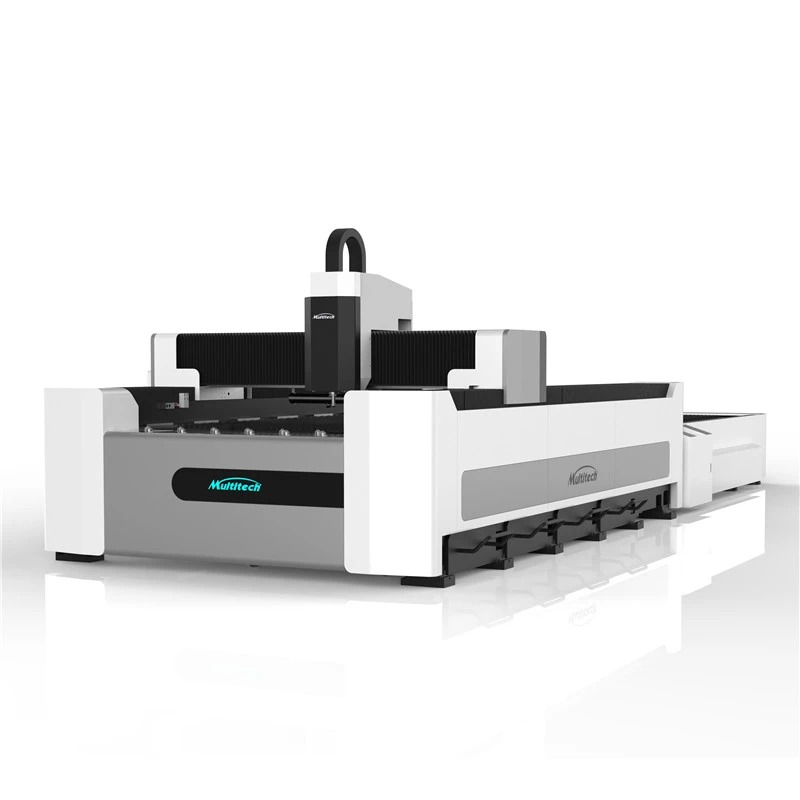
- Power Monitoring: Monitor the power of the laser beam. Any sudden changes in power levels may indicate a problem, such as a leak or a malfunction in the laser source. If the power drops significantly, it could mean that some of the laser energy is leaking out.
- Beam Position Monitoring: Use sensors to monitor the position of the laser beam. If the beam deviates from its intended path, the monitoring system can alert the operator or automatically shut down the laser.
Product Recommendations
As a supplier, I would like to introduce some of our related products that can be used in conjunction with the 3000*1500mm fiber laser cutter to enhance safety and performance.
- Aluminum Fiber Laser Cutting Machine: This machine is designed specifically for cutting aluminum sheets. It shares many of the same safety features as the 3000*1500mm fiber laser cutter, such as high - quality sealing and interlock systems.
- Full Automatic Fiber Laser Cutter: The full - automatic fiber laser cutter offers advanced automation features, which can reduce the need for manual intervention and minimize the risk of human error that could lead to laser leakage.
- CNC Fiber Laser: The CNC fiber laser provides precise control over the cutting process. With accurate programming, it can ensure that the laser beam is used efficiently and safely, reducing the chances of leakage.
Conclusion
Preventing laser leakage in a 3000*1500mm fiber laser cutter requires a comprehensive approach that includes proper installation, high - quality sealing, regular maintenance, operator training, and the use of monitoring systems. By implementing these strategies, you can ensure the safety of your operators, protect the environment, and extend the lifespan of your equipment.
If you are interested in our 3000*1500mm fiber laser cutter or any of our other products, please feel free to contact us for more information and to discuss your specific requirements. We are committed to providing high - quality laser cutting solutions with the highest safety standards.
References
- Laser Safety Handbook, International Laser Safety Foundation
- Standards for Laser Equipment Installation and Operation, ISO 11553