

What are the installation requirements for a fiber laser cutting machine in a factory?
As a seasoned supplier of fiber laser cutting machines, I've witnessed firsthand the transformative impact these powerful tools can have on a factory's operations. However, the successful installation of a fiber laser cutting machine is not a simple plug-and-play process. It requires careful planning, preparation, and adherence to specific requirements to ensure optimal performance and safety. In this blog post, I'll delve into the key installation requirements for a fiber laser cutting machine in a factory, providing you with the knowledge and guidance you need to make the installation process as smooth and efficient as possible.
1. Site Selection and Preparation
The first step in installing a fiber laser cutting machine is to select an appropriate site within the factory. The site should meet the following criteria:
- Space Requirements: The fiber laser cutting machine requires a sufficient amount of space for installation, operation, and maintenance. You should refer to the machine's technical specifications to determine the exact dimensions and clearance requirements. In general, the site should be at least 2-3 meters wider and longer than the machine itself to allow for easy access and movement around the equipment.
- Floor Strength: The floor where the machine will be installed must be able to support the weight of the machine and any additional equipment or materials. Fiber laser cutting machines can be quite heavy, especially larger models, so it's important to ensure that the floor has adequate strength and stability. You may need to consult a structural engineer to assess the floor's load-bearing capacity and make any necessary reinforcements.
- Ventilation: Fiber laser cutting machines generate a significant amount of heat and fumes during operation, which can be harmful to both the machine and the operators. Therefore, proper ventilation is essential to remove these contaminants from the work area and maintain a safe and comfortable working environment. The ventilation system should be designed to provide a sufficient amount of fresh air intake and exhaust, and it should comply with local safety and environmental regulations.
- Lighting: Adequate lighting is crucial for safe and efficient operation of the fiber laser cutting machine. The work area should be well-lit to ensure clear visibility of the cutting process and any potential hazards. You should install high-quality lighting fixtures that provide uniform illumination across the entire work area.
2. Power Supply
Fiber laser cutting machines require a stable and reliable power supply to operate effectively. The power requirements of the machine will depend on its size, power output, and other specifications. Before installing the machine, you should ensure that the factory's electrical system can meet the machine's power needs. Here are some key considerations:
- Voltage and Frequency: The machine's power supply should match the voltage and frequency requirements specified in the technical documentation. Most fiber laser cutting machines operate on a three-phase power supply, typically 380V or 400V at 50Hz or 60Hz. You should consult an electrician to verify the compatibility of the factory's electrical system with the machine's power requirements.
- Circuit Capacity: The electrical circuit that will supply power to the machine should have sufficient capacity to handle the machine's maximum power consumption. You should calculate the total power demand of the machine, including the laser generator, control system, cooling system, and other auxiliary equipment, and ensure that the circuit breaker or fuse rating is appropriate. It's recommended to install a dedicated circuit for the fiber laser cutting machine to avoid overloading the electrical system.
- Power Quality: The quality of the power supply can have a significant impact on the performance and lifespan of the fiber laser cutting machine. You should ensure that the power supply is free from voltage fluctuations, surges, and harmonics, which can cause damage to the machine's electronic components. You may need to install a voltage stabilizer or uninterruptible power supply (UPS) to protect the machine from power disturbances.
3. Cooling System
Fiber laser cutting machines generate a large amount of heat during operation, which can affect the performance and reliability of the laser generator and other components. To prevent overheating, the machine is equipped with a cooling system that circulates coolant to remove heat from the critical components. Here are some important installation requirements for the cooling system:

- Coolant Type and Quality: The cooling system requires a specific type of coolant, usually a mixture of water and antifreeze, to ensure efficient heat transfer and prevent corrosion. You should use the coolant recommended by the machine manufacturer and follow the instructions for proper mixing and maintenance. The coolant should be regularly checked and replaced according to the maintenance schedule to maintain its effectiveness.
- Cooling Water Supply: The cooling system requires a continuous supply of clean and cool water to operate effectively. You should ensure that the factory has a reliable water source with sufficient pressure and flow rate to meet the machine's cooling needs. The water supply should be connected to the cooling system using appropriate piping and fittings, and it should be equipped with a water filter to remove any impurities or debris.
- Cooling Tower or Chiller: Depending on the size and power output of the fiber laser cutting machine, you may need to install a cooling tower or chiller to maintain the coolant temperature within the optimal range. A cooling tower is a large outdoor device that uses evaporation to cool the water, while a chiller is a more compact indoor unit that uses a refrigeration cycle to cool the water. You should choose the appropriate cooling solution based on the machine's requirements and the factory's environmental conditions.
4. Machine Installation and Alignment
Once the site has been prepared and the power supply and cooling system are in place, it's time to install the fiber laser cutting machine. Here are the general steps involved in the installation process:
- Unpacking and Inspection: Carefully unpack the machine and inspect all the components for any damage or missing parts. You should compare the contents of the package with the packing list provided by the manufacturer to ensure that everything is present and in good condition. If you find any issues, you should contact the manufacturer immediately for assistance.
- Positioning and Leveling: Use a forklift or other lifting equipment to move the machine to the installation site and position it according to the layout plan. You should use a spirit level to ensure that the machine is level and stable on the floor. If necessary, you can adjust the leveling feet of the machine to achieve the desired levelness.
- Connection of Components: Connect all the electrical, water, and gas lines to the machine according to the wiring diagram and piping layout provided by the manufacturer. You should ensure that all the connections are secure and tight to prevent any leaks or electrical hazards. It's recommended to have a professional electrician and plumber perform the connections to ensure compliance with safety standards.
- Alignment and Calibration: After the machine is installed and connected, you need to perform a series of alignment and calibration procedures to ensure that the laser beam is accurately focused and aligned with the cutting table. This process requires specialized tools and expertise, so it's best to have the manufacturer's technicians perform the alignment and calibration on-site.
5. Safety Measures
Safety is of utmost importance when installing and operating a fiber laser cutting machine. Here are some essential safety measures that you should implement:
- Safety Guards and Enclosures: The machine should be equipped with safety guards and enclosures to prevent operators from coming into contact with the moving parts, laser beam, and other hazardous components. The safety guards should be properly installed and maintained to ensure their effectiveness.
- Emergency Stop Buttons: The machine should be equipped with easily accessible emergency stop buttons that can be used to immediately shut down the machine in case of an emergency. The emergency stop buttons should be clearly labeled and tested regularly to ensure their functionality.
- Personal Protective Equipment (PPE): Operators should wear appropriate personal protective equipment, such as safety glasses, gloves, and protective clothing, when operating the fiber laser cutting machine. The PPE should be selected based on the specific hazards associated with the machine and the cutting process.
- Training and Education: All operators and maintenance personnel should receive comprehensive training and education on the safe operation and maintenance of the fiber laser cutting machine. The training should cover topics such as machine operation, safety procedures, maintenance requirements, and emergency response.
6. Testing and Commissioning
After the machine is installed and all the safety measures are in place, you need to perform a series of tests and commissioning procedures to ensure that the machine is operating properly and meets the performance specifications. Here are the key steps involved in the testing and commissioning process:
- Electrical Testing: Conduct a thorough electrical inspection of the machine to ensure that all the electrical components are functioning correctly and there are no electrical faults or short circuits. You should use a multimeter and other electrical testing equipment to measure the voltage, current, and resistance of the electrical circuits.
- Cooling System Testing: Check the cooling system to ensure that the coolant is circulating properly and the temperature is within the normal range. You should monitor the coolant level, pressure, and temperature during the testing process and make any necessary adjustments.
- Laser Beam Testing: Use a laser power meter and other laser testing equipment to measure the power, beam quality, and focus of the laser beam. You should ensure that the laser beam meets the specifications provided by the manufacturer and is suitable for the intended cutting applications.
- Cutting Performance Testing: Perform a series of cutting tests on different types of materials to evaluate the machine's cutting performance, accuracy, and quality. You should compare the cutting results with the expected specifications and make any necessary adjustments to the cutting parameters, such as laser power, cutting speed, and gas pressure.
Conclusion
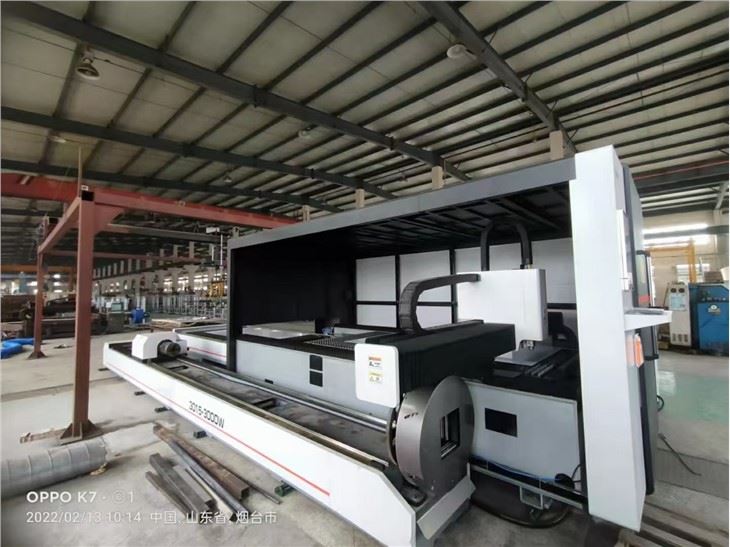
Installing a fiber laser cutting machine in a factory requires careful planning, preparation, and adherence to specific requirements. By following the guidelines outlined in this blog post, you can ensure that the installation process is smooth and efficient, and the machine operates safely and effectively. If you're considering purchasing a fiber laser cutting machine for your factory, I recommend checking out our 2000w 3000w Metal Cutting Fiber Laser Cutting Machine, Steel Plate And Pipe Fiber Laser Cutting Machine, and Fiber 3000w Metal Laser Cutting Machine. These machines are designed to provide high-performance cutting solutions for a wide range of applications, and our team of experts can provide you with the support and guidance you need to ensure a successful installation.
If you have any questions or would like to discuss your specific requirements, please don't hesitate to contact us. We're here to help you make the most of your fiber laser cutting machine investment and take your factory's productivity to the next level.
References
- Manufacturer's technical documentation for fiber laser cutting machines
- Industry standards and guidelines for installation and operation of industrial equipment
- Local safety and environmental regulations