

Safety Precautions When Using an Enclosed Fiber Laser Cutter

As a supplier of enclosed fiber laser cutters, I understand the importance of safety when operating these powerful machines. Enclosed fiber laser cutters are widely used in various industries for their high precision and efficiency in cutting metals and other materials. However, they also pose certain risks if not used properly. In this blog post, I will discuss the key safety precautions that should be taken when using an enclosed fiber laser cutter.
1. Operator Training
One of the most crucial safety measures is ensuring that all operators are properly trained. Operating an enclosed fiber laser cutter requires specialized knowledge and skills. Training programs should cover the following aspects: - Machine Operation: Operators should be familiar with the control panel, buttons, and functions of the laser cutter. They need to know how to start, stop, and adjust the machine settings, such as cutting speed, power, and focus. - Safety Features: Understanding the safety features of the laser cutter is essential. This includes emergency stop buttons, interlocks, and safety sensors. Operators should know how these features work and when to use them. - Material Handling: Different materials have different properties and may require specific handling procedures. Operators should be trained on how to load and unload materials safely, as well as how to secure them during the cutting process. - Maintenance and Inspection: Regular maintenance and inspection of the laser cutter are necessary to ensure its safe operation. Operators should be trained on basic maintenance tasks, such as cleaning the lenses and checking the coolant levels.
2. Personal Protective Equipment (PPE)
Wearing appropriate personal protective equipment is a must when using an enclosed fiber laser cutter. The following PPE should be worn at all times: - Laser Safety Glasses: Laser safety glasses are designed to protect the eyes from the intense laser beam. They should be specifically rated for the wavelength of the laser used in the cutter. - Protective Clothing: Operators should wear flame - resistant clothing to protect their skin from potential sparks and heat. Long - sleeved shirts and pants are recommended. - Gloves: Heat - resistant gloves should be worn to protect the hands from hot materials and potential burns. - Respirator: When cutting certain materials, such as metals, harmful fumes and dust may be generated. A respirator can help filter out these contaminants and protect the respiratory system.
3. Machine Installation and Environment
Proper installation of the enclosed fiber laser cutter is crucial for safety. Here are some key points to consider: - Location: The laser cutter should be installed in a well - ventilated area. Adequate ventilation helps to remove fumes and dust generated during the cutting process. It should also be placed on a stable and level surface to prevent vibration and ensure accurate cutting. - Electrical Safety: The machine should be connected to a proper electrical supply with the correct voltage and grounding. Overloading the electrical circuit can lead to electrical hazards, such as short circuits and fires. - Surrounding Area: The area around the laser cutter should be kept clear of clutter. There should be enough space for operators to move around safely and perform maintenance tasks. Additionally, any flammable materials should be kept away from the machine.
4. Laser Beam Safety
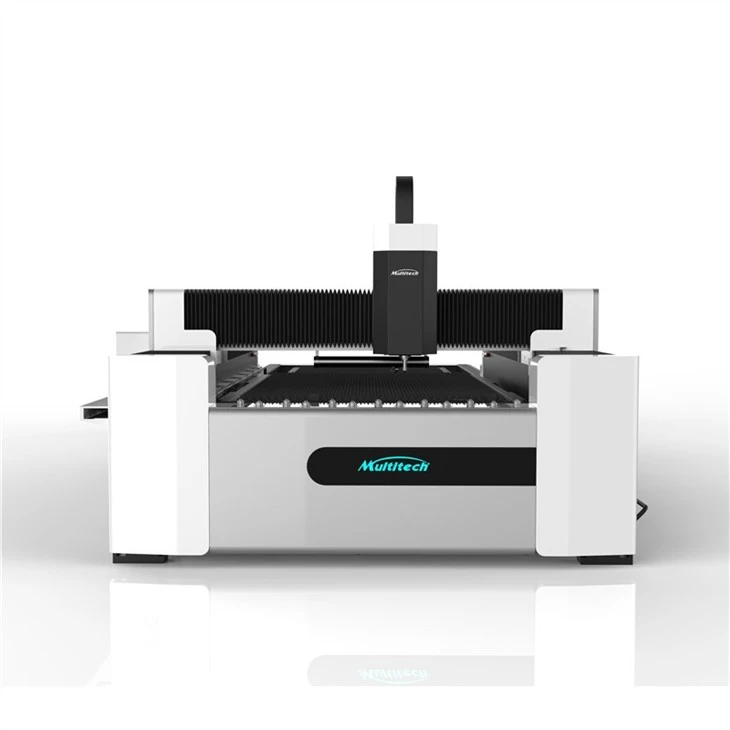
The laser beam is the most dangerous part of the enclosed fiber laser cutter. Here are some safety precautions related to the laser beam: - Enclosure Integrity: The enclosure of the laser cutter should be intact at all times. It is designed to contain the laser beam and prevent it from escaping. Any damage to the enclosure should be repaired immediately. - No Direct Exposure: Operators should never look directly into the laser beam, even if it is through a viewing window. The intense light can cause permanent damage to the eyes. - Beam Path Protection: The beam path inside the machine should be protected to prevent accidental blockage or interference. Any objects that may come into contact with the beam should be removed.
5. Maintenance and Inspection
Regular maintenance and inspection of the enclosed fiber laser cutter are essential for its safe and efficient operation. Here are some maintenance tasks that should be performed: - Lens Cleaning: The lenses in the laser cutter are critical for focusing the laser beam. They should be cleaned regularly to ensure optimal performance. However, cleaning should be done with the proper tools and cleaning agents to avoid damage. - Coolant System: The coolant system helps to keep the laser source and other components cool. The coolant level should be checked regularly, and the coolant should be changed according to the manufacturer's recommendations. - Mechanical Components: The mechanical components of the laser cutter, such as the guide rails and drive systems, should be inspected for wear and tear. Any loose or damaged parts should be repaired or replaced immediately.
6. Fire Safety
Fiber laser cutters generate heat and sparks during the cutting process, which can pose a fire risk. Here are some fire safety precautions: - Fire Extinguishers: A suitable fire extinguisher should be available near the laser cutter. It should be rated for Class A, B, and C fires to handle different types of fires that may occur. - Fire - Resistant Surfaces: The work area around the laser cutter should have fire - resistant surfaces. This can help prevent fires from spreading in case of a spark or heat - related incident. - Regular Checks: Regularly check for any signs of overheating or electrical problems that could potentially lead to a fire.
7. Emergency Procedures
In case of an emergency, operators should know the proper procedures to follow. Here are some important emergency procedures: - Emergency Stop: All operators should know the location of the emergency stop button and be able to press it immediately in case of an emergency. - Evacuation Plan: There should be a clear evacuation plan in place for the work area. Operators should know the evacuation routes and assembly points. - First Aid: First - aid kits should be available in the work area, and operators should be trained in basic first - aid procedures in case of injuries.
As a supplier, we offer a range of high - quality enclosed fiber laser cutters, such as the Fiber Laser Cutting Machine with Exchange Table, Metal Laser Cutting Machine, and Laser Cutting Machine with Full Cover. We are committed to providing not only top - notch products but also comprehensive safety guidance to our customers.
If you are interested in purchasing an enclosed fiber laser cutter or have any questions about safety precautions, please feel free to contact us for further discussion and negotiation. We look forward to working with you to ensure a safe and efficient cutting process.
References
- American National Standards Institute (ANSI). Z136.1 - 2014, Safe Use of Lasers.
- Occupational Safety and Health Administration (OSHA). Laser Safety Standards.
- Manufacturer's Manuals for Enclosed Fiber Laser Cutters.