

As a supplier of 30001500mm fiber laser cutters, I'm often asked about the cooling system of these machines. In this blog post, I'll delve into the details of what the cooling system of a 30001500mm fiber laser cutter is, why it's crucial, and how it operates.
The Importance of a Cooling System in a Fiber Laser Cutter
Fiber laser cutters are powerful machines that use high - energy lasers to cut through various types of metals, such as steel, aluminum, and other metal plates. During the laser - cutting process, a significant amount of heat is generated. If this heat is not properly managed, it can lead to several problems.
Excessive heat can cause thermal damage to the laser source, which is the heart of the fiber laser cutter. It can also affect the accuracy and precision of the cutting process, as thermal expansion can cause the machine components to warp. Moreover, high temperatures can reduce the lifespan of the laser and other critical parts of the machine, leading to increased maintenance costs and downtime.
The cooling system plays a vital role in maintaining the optimal operating temperature of the fiber laser cutter. By removing the excess heat generated during the cutting process, it ensures the stable operation, high - quality cutting results, and long - term reliability of the machine.
Components of the Cooling System in a 3000*1500mm Fiber Laser Cutter
The cooling system of a 3000*1500mm fiber laser cutter typically consists of several key components:
Chiller
The chiller is the core component of the cooling system. It is responsible for cooling the coolant, which is usually a mixture of water and anti - freeze. The chiller uses a refrigeration cycle to remove heat from the coolant. It consists of a compressor, a condenser, an expansion valve, and an evaporator. The compressor compresses the refrigerant gas, increasing its temperature and pressure. The high - pressure gas then flows through the condenser, where it releases heat to the surrounding environment and condenses into a liquid. The liquid refrigerant then passes through the expansion valve, which reduces its pressure and temperature. Finally, the cold refrigerant flows through the evaporator, where it absorbs heat from the coolant, cooling it down.
Coolant Circulation Pump
The coolant circulation pump is used to circulate the coolant through the laser cutter and the chiller. It ensures a continuous flow of coolant, which is essential for effective heat transfer. The pump is usually a centrifugal pump, which uses an impeller to create a pressure difference and move the coolant.
Heat Exchangers
Heat exchangers are used to transfer heat between the coolant and the components that need to be cooled, such as the laser source and the cutting head. There are different types of heat exchangers, including shell - and - tube heat exchangers and plate heat exchangers. The coolant absorbs heat from these components as it flows through the heat exchangers and then returns to the chiller to be cooled.
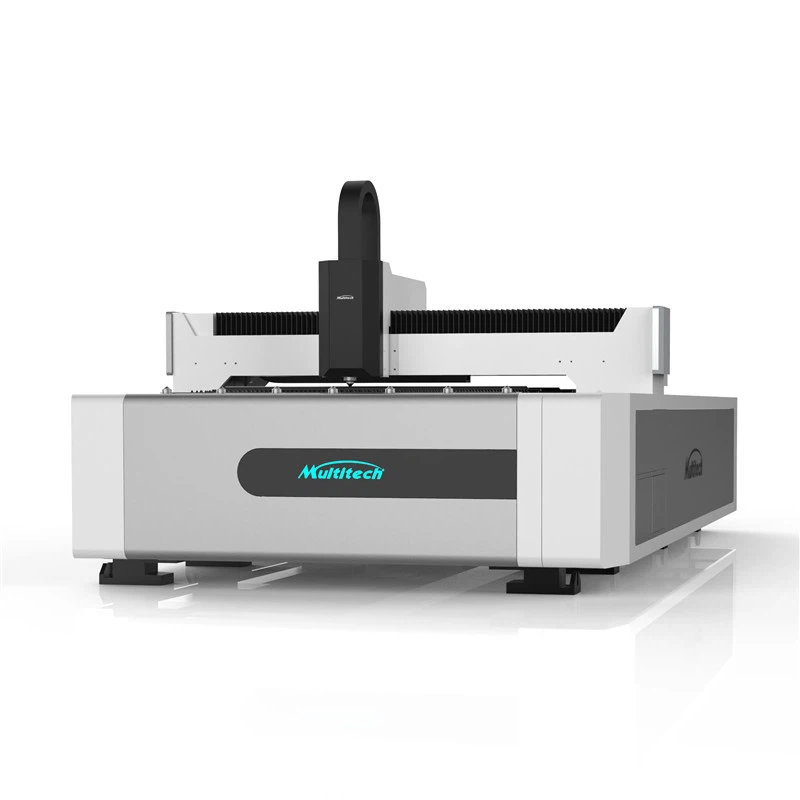

Pipes and Hoses
Pipes and hoses are used to connect all the components of the cooling system. They provide a path for the coolant to flow between the chiller, the circulation pump, and the heat exchangers. These pipes and hoses need to be made of materials that are resistant to corrosion and high - pressure, such as stainless steel or high - quality rubber.
How the Cooling System Works
The operation of the cooling system can be divided into the following steps:
- Coolant Preparation: The chiller cools the coolant to the desired temperature. The temperature is usually set based on the requirements of the laser cutter, typically in the range of 20 - 25 degrees Celsius.
- Circulation: The coolant circulation pump starts to circulate the cooled coolant through the pipes and hoses. The coolant first flows through the heat exchangers, where it comes into contact with the components that need to be cooled, such as the laser source.
- Heat Transfer: As the coolant passes through the heat exchangers, it absorbs the heat generated by the laser source and other components. The heat is transferred from the hot components to the cold coolant, raising the temperature of the coolant.
- Return to the Chiller: The heated coolant then returns to the chiller through the pipes and hoses. In the chiller, the coolant passes through the evaporator, where the cold refrigerant absorbs the heat from the coolant, cooling it down again.
- Repeat the Cycle: The cooled coolant is then pumped back into the system to repeat the process, ensuring continuous cooling of the fiber laser cutter.
Different Cooling Requirements for Different Cutting Materials
When cutting different materials, the fiber laser cutter may have different cooling requirements. For example, when cutting Aluminum Fiber Laser Cutting Machine, aluminum has high thermal conductivity, which means it can dissipate heat more quickly. However, the cutting process may generate more heat due to the higher cutting speed and power required for aluminum. Therefore, the cooling system may need to have a higher cooling capacity to maintain the optimal temperature.
On the other hand, when cutting Steel Laser Cutter, steel has relatively lower thermal conductivity compared to aluminum. But the cutting of steel often requires higher laser power, which also generates a significant amount of heat. The cooling system needs to be able to effectively remove this heat to ensure the quality of the cut and the longevity of the machine.
For Fiber Laser Cutting Machine Metal Plate, which can be used to cut a variety of metal plates, the cooling system should be flexible enough to adapt to different cutting conditions and materials.
Maintenance of the Cooling System
Proper maintenance of the cooling system is essential to ensure its efficient operation and the long - term performance of the fiber laser cutter. Here are some maintenance tips:
- Regularly Check the Coolant Level: The coolant level should be checked regularly to ensure that there is enough coolant in the system. If the coolant level is low, it may indicate a leak in the system, which needs to be repaired immediately.
- Monitor the Coolant Quality: The quality of the coolant should be monitored regularly. Over time, the coolant may become contaminated with dirt, debris, or microorganisms, which can affect its cooling performance. If the coolant quality deteriorates, it should be replaced.
- Clean the Chiller and Heat Exchangers: The chiller and heat exchangers should be cleaned regularly to remove any dirt, dust, or debris that may accumulate on their surfaces. This can improve the heat transfer efficiency of the system.
- Inspect the Pipes and Hoses: The pipes and hoses should be inspected regularly for signs of wear, damage, or leakage. Any damaged pipes or hoses should be replaced promptly to prevent coolant loss.
Conclusion
The cooling system is an indispensable part of a 3000*1500mm fiber laser cutter. It ensures the stable operation, high - quality cutting results, and long - term reliability of the machine by effectively managing the heat generated during the cutting process. Understanding the components, operation, and maintenance of the cooling system is crucial for anyone who uses or is interested in fiber laser cutters.
If you are in the market for a 3000*1500mm fiber laser cutter or have any questions about the cooling system or other aspects of the machine, please feel free to contact us. We are more than happy to assist you in making the right choice and providing you with the best - in - class products and services.
References
- "Fiber Laser Cutting Technology" - A comprehensive guidebook on fiber laser cutting principles and machine components.
- Industry reports on the performance and maintenance of fiber laser cutters.