

In the dynamic realm of metal fabrication, the plasma cutting machine stands as a cornerstone technology, revolutionizing the way we shape and manipulate metal. At the heart of this powerful equipment lies the cutting torch, a critical component that plays a pivotal role in achieving precise, efficient, and high-quality cuts. As a leading supplier of plasma cutting machines, I am excited to delve into the intricacies of the cutting torch, exploring its functions, types, and the factors that make it an indispensable tool in modern manufacturing.
Understanding the Basics of a Plasma Cutting Torch
A plasma cutting torch is essentially a handheld or machine-mounted device that generates and controls a high-velocity jet of ionized gas, known as plasma, to cut through electrically conductive materials such as steel, aluminum, copper, and brass. The process begins when an electric arc is established between an electrode inside the torch and the workpiece. This arc heats the gas flowing through the torch, causing it to reach extremely high temperatures and transform into plasma. The plasma jet, which can reach temperatures of up to 30,000 degrees Fahrenheit (16,650 degrees Celsius), melts the metal at the cutting point and blows away the molten material, creating a clean and precise cut.
Key Components of a Plasma Cutting Torch
To understand how a plasma cutting torch works, it's essential to familiarize yourself with its key components:
- Electrode: The electrode is a consumable part that is typically made of copper or a copper alloy and contains a small insert of hafnium or zirconium. The electrode provides the negative terminal of the electrical circuit and is responsible for initiating and maintaining the electric arc.
- Nozzle: The nozzle is another consumable part that is located at the tip of the torch. It is designed to shape and focus the plasma jet, controlling its velocity and direction. The size and shape of the nozzle can have a significant impact on the quality of the cut, including the width of the kerf (the width of the cut), the smoothness of the cut surface, and the overall cutting speed.
- Swirl Ring: The swirl ring is a component that is located between the electrode and the nozzle. It is designed to create a swirling motion in the gas flow, which helps to stabilize the plasma arc and improve the cutting performance.
- Shield Cup: The shield cup is an optional component that is used to protect the nozzle and the electrode from damage and to improve the quality of the cut. It is typically made of a heat-resistant material, such as ceramic or stainless steel, and is designed to direct a secondary flow of gas around the plasma jet, which helps to cool the nozzle and the electrode and to prevent the molten metal from splashing back onto the torch.
Types of Plasma Cutting Torches
There are several types of plasma cutting torches available on the market, each designed to meet specific cutting requirements and applications. The most common types of plasma cutting torches include:
- Manual Torches: Manual torches are handheld devices that are typically used for small-scale cutting applications, such as hobbyist projects, maintenance and repair work, and light fabrication. Manual torches are easy to operate and offer a high degree of flexibility, allowing the operator to make cuts in a variety of shapes and sizes.
- Machine Torches: Machine torches are designed to be mounted on a plasma cutting machine, such as a CNC Plasma Cutter or a CNC Plasma Tube Cutter. Machine torches are typically more powerful and precise than manual torches and are used for large-scale cutting applications, such as industrial manufacturing, metalworking, and construction.
- High-Duty Cycle Torches: High-duty cycle torches are designed to operate continuously for extended periods of time without overheating or experiencing significant wear and tear. These torches are typically used in high-volume production environments, where productivity and efficiency are critical.
- Water-Cooled Torches: Water-cooled torches are designed to use water to cool the electrode and the nozzle, which helps to extend the life of the consumables and improve the cutting performance. Water-cooled torches are typically used for high-power cutting applications, where the heat generated by the plasma arc can cause the consumables to wear out quickly.
Factors to Consider When Choosing a Plasma Cutting Torch
When choosing a plasma cutting torch, there are several factors to consider, including:
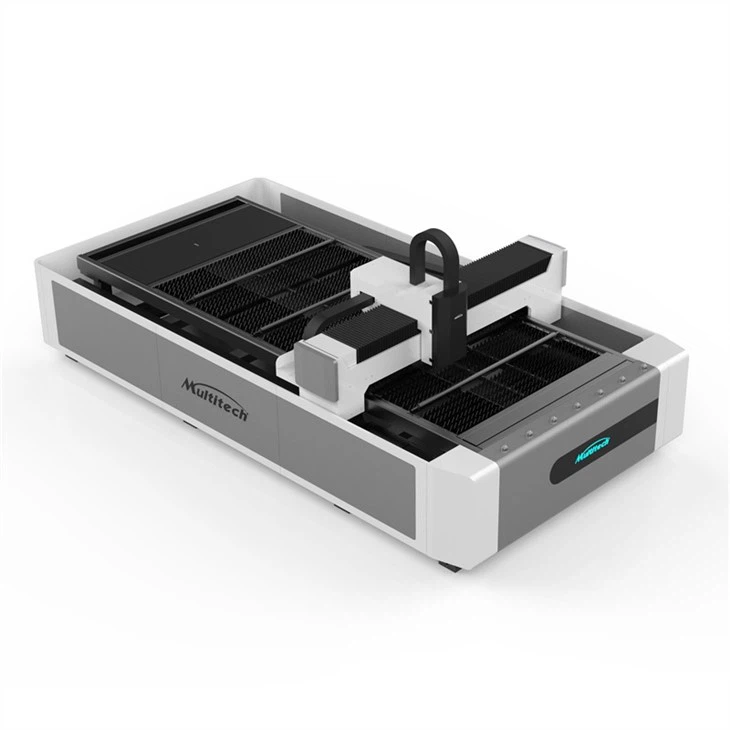

- Cutting Capacity: The cutting capacity of a plasma cutting torch is determined by its power output, which is typically measured in amps. The higher the amperage, the thicker the material that the torch can cut. When choosing a torch, it's important to select one that has a cutting capacity that is appropriate for the thickness of the material you will be cutting.
- Cutting Speed: The cutting speed of a plasma cutting torch is determined by several factors, including the power output of the torch, the type of material being cut, and the thickness of the material. In general, higher-power torches can cut faster than lower-power torches, but the cutting speed can also be affected by the quality of the torch and the consumables being used.
- Cut Quality: The cut quality of a plasma cutting torch is determined by several factors, including the type of material being cut, the thickness of the material, the power output of the torch, and the quality of the torch and the consumables being used. In general, a higher-quality torch and consumables will produce a cleaner, smoother, and more precise cut.
- Consumable Life: The consumable life of a plasma cutting torch is determined by several factors, including the type of material being cut, the thickness of the material, the power output of the torch, and the frequency of use. In general, higher-quality consumables will last longer than lower-quality consumables, but the consumable life can also be affected by the operating conditions and the maintenance practices.
- Cost: The cost of a plasma cutting torch can vary depending on several factors, including the brand, the model, the cutting capacity, and the features. When choosing a torch, it's important to consider your budget and to select a torch that offers the best value for your money.
Applications of Plasma Cutting Torches
Plasma cutting torches are used in a wide range of industries and applications, including:
- Metal Fabrication: Plasma cutting torches are commonly used in metal fabrication shops to cut and shape metal parts for a variety of applications, including automotive, aerospace, construction, and manufacturing.
- Automotive Repair and Maintenance: Plasma cutting torches are used in automotive repair and maintenance shops to cut and remove damaged or worn-out parts, such as exhaust systems, body panels, and frames.
- Shipbuilding: Plasma cutting torches are used in shipbuilding yards to cut and shape large sheets of metal for the construction of ships and other marine vessels.
- Construction: Plasma cutting torches are used in construction sites to cut and shape metal beams, columns, and other structural components.
- Art and Sculpture: Plasma cutting torches are used by artists and sculptors to create unique and intricate metal artworks and sculptures.
Advantages of Plasma Cutting Torches
Plasma cutting torches offer several advantages over other cutting methods, including:
- High Cutting Speed: Plasma cutting torches can cut through metal much faster than other cutting methods, such as oxy-fuel cutting and laser cutting. This makes them ideal for high-volume production environments where productivity and efficiency are critical.
- Precise Cutting: Plasma cutting torches can produce very precise cuts, with a kerf width as narrow as 0.02 inches (0.5 mm). This makes them ideal for applications where accuracy and precision are important, such as aerospace and automotive manufacturing.
- Versatility: Plasma cutting torches can cut through a wide range of materials, including steel, aluminum, copper, brass, and stainless steel. This makes them ideal for a variety of applications in different industries.
- Portability: Manual plasma cutting torches are portable and can be used in a variety of locations, including job sites, workshops, and manufacturing facilities. This makes them ideal for applications where mobility and flexibility are important.
- Cost-Effective: Plasma cutting torches are relatively inexpensive compared to other cutting methods, such as laser cutting. This makes them a cost-effective option for small and medium-sized businesses that need to cut metal on a regular basis.
Conclusion
In conclusion, the cutting torch is a critical component of a plasma cutting machine, playing a pivotal role in achieving precise, efficient, and high-quality cuts. As a leading supplier of plasma cutting machines, we offer a wide range of cutting torches to meet the diverse needs of our customers. Whether you are a hobbyist, a small business owner, or a large industrial manufacturer, we have the right torch for your application.
If you are interested in learning more about our plasma cutting machines and cutting torches, or if you have any questions or concerns, please do not hesitate to contact us. Our team of experts is always available to provide you with the information and support you need to make an informed decision. We look forward to working with you and helping you achieve your metal fabrication goals.
References
- "Plasma Cutting Handbook" by The Lincoln Electric Company
- "Modern Welding Technology" by David A. Askeland and Pradeep P. Phule
- "Metal Fabrication Technology" by Robert H. Tuttle