

As a supplier of Laser Sheet Cutting Machines, I often encounter customers who are confused about the differences between high - power and low - power laser sheet cutting machines. In this blog, I'll break down the key distinctions to help you make an informed decision for your business needs.
1. Cutting Thickness
One of the most obvious differences between high - power and low - power laser sheet cutting machines lies in their cutting thickness capabilities. Low - power laser sheet cutting machines, typically with power outputs ranging from 500W to 2000W, are suitable for cutting thin metal sheets. They can efficiently cut materials with thicknesses up to around 3 - 5mm for mild steel and even thinner for materials like stainless steel and aluminum. For example, a 1000W low - power laser cutter can cut through a 3mm mild steel sheet smoothly, but it may struggle when the thickness exceeds 5mm.
On the other hand, high - power laser sheet cutting machines, with power outputs of 3000W and above, are designed to handle much thicker materials. A high power fiber laser cutter with a 6000W power can cut mild steel sheets up to 20mm thick or more. This makes high - power machines ideal for industries that work with thick metal components, such as heavy machinery manufacturing, shipbuilding, and large - scale construction.
2. Cutting Speed
Cutting speed is another crucial factor that differentiates high - power and low - power laser sheet cutting machines. Low - power machines have relatively slower cutting speeds, especially when dealing with thicker materials. This is because the lower power density of the laser beam takes more time to melt and vaporize the metal. For instance, when cutting a 2mm stainless steel sheet, a low - power 1500W laser cutter might have a cutting speed of around 5 - 10 meters per minute.
High - power laser sheet cutting machines, however, offer significantly faster cutting speeds. The higher power density allows the laser beam to penetrate and cut through the metal more quickly. A 8000W high - power laser cutter can cut the same 2mm stainless steel sheet at a speed of 20 - 30 meters per minute or even faster. This increased speed not only improves productivity but also reduces production costs in the long run by allowing more parts to be cut in less time.
3. Precision and Quality
Precision and quality of the cut are important considerations in laser sheet cutting. Low - power laser sheet cutting machines can provide good precision for thin materials. They are capable of producing clean cuts with minimal heat - affected zones (HAZ) on thin metal sheets. The HAZ is the area around the cut where the metal properties are altered due to the heat generated by the laser. For thin materials, the HAZ is relatively small, resulting in high - quality cuts.
High - power laser cutting machines also offer high precision, but they face more challenges in controlling the HAZ when cutting thick materials. The intense heat generated by the high - power laser can cause a larger HAZ, which may affect the mechanical properties of the metal. However, advanced technologies and control systems in modern high - power laser cutters have significantly improved the situation. They can optimize the cutting parameters to minimize the HAZ and ensure high - quality cuts even on thick materials.
4. Energy Consumption
Energy consumption is a significant factor in the operation of laser sheet cutting machines. Low - power laser sheet cutting machines consume less energy compared to high - power ones. A 1500W low - power laser cutter typically consumes around 2 - 3 kilowatt - hours (kWh) of electricity per hour of operation. This makes them more cost - effective for small - scale operations or businesses with limited energy budgets.
High - power laser sheet cutting machines, due to their higher power outputs, consume more energy. A 6000W high - power laser cutter can consume 8 - 10 kWh of electricity per hour. However, it's important to note that the higher productivity of high - power machines can offset the increased energy cost. They can produce more parts in less time, which may result in a lower cost per part overall.
5. Initial Investment and Maintenance
The initial investment required for high - power and low - power laser sheet cutting machines varies significantly. Low - power machines are generally more affordable. The price of a basic 1000W low - power laser sheet cutting machine can range from $10,000 to $30,000, depending on the brand, features, and additional accessories. This makes them accessible to small businesses and startups with limited capital.
High - power laser sheet cutting machines, on the other hand, have a much higher initial cost. A high - end 10000W high power fiber laser cutter can cost $100,000 or more. The higher cost is due to the advanced technology, more powerful laser source, and larger - scale components used in these machines.
In terms of maintenance, both types of machines require regular upkeep. Low - power machines are generally easier and less expensive to maintain. The laser source and other components in low - power machines are less complex and have a lower risk of breakdown. High - power machines, with their more complex systems and higher - power components, may require more frequent maintenance and more expensive replacement parts.
6. Application Scenarios
The choice between a high - power and a low - power laser sheet cutting machine also depends on the specific application scenarios. Low - power laser sheet cutting machines are well - suited for industries that work with thin metal sheets, such as electronics manufacturing, jewelry making, and signage production. These industries require high - precision cuts on thin materials, and the lower cost and energy consumption of low - power machines make them a practical choice.
High - power laser sheet cutting machines are more suitable for heavy - duty industries. For example, in the automotive industry, high - power lasers are used to cut thick steel components for car frames and chassis. The Aluminum Fiber Laser Cutting Machine can also be used in high - power configurations to cut thick aluminum sheets for aerospace applications. The Dual Table Laser Metal Cutting Machine in high - power versions can improve productivity in large - scale manufacturing by allowing continuous cutting operations.
Conclusion
In conclusion, the differences between high - power and low - power laser sheet cutting machines are significant in terms of cutting thickness, speed, precision, energy consumption, initial investment, and application scenarios. When choosing a laser sheet cutting machine, you need to carefully consider your business needs, production requirements, and budget. If you work with thin materials and have limited production volume, a low - power laser sheet cutting machine may be the best choice. However, if you need to cut thick materials and require high productivity, a high - power laser sheet cutting machine is the way to go.

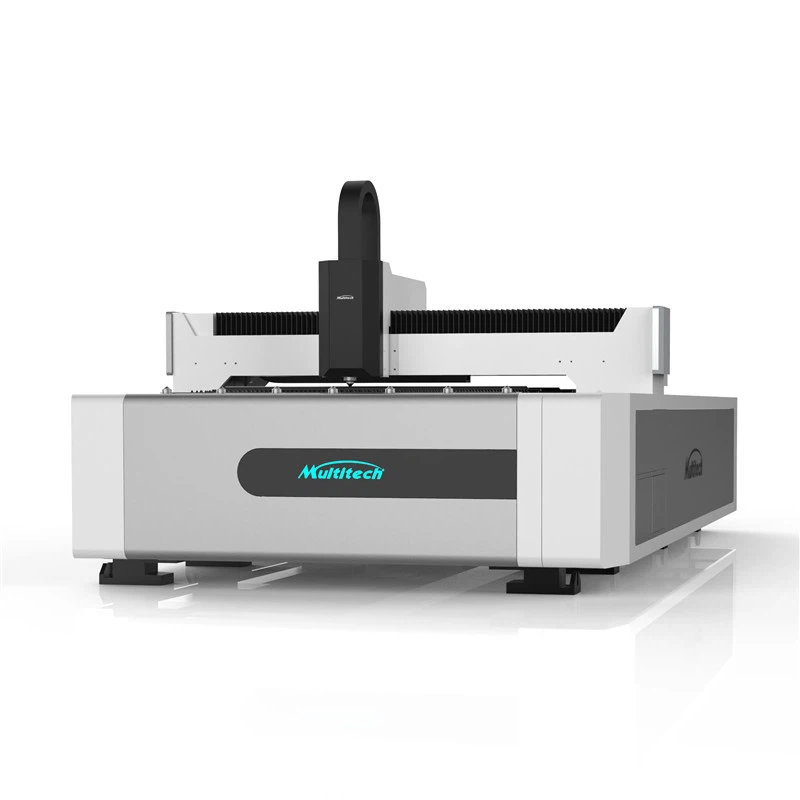
If you're interested in learning more about our range of laser sheet cutting machines or have any questions about which machine is right for your business, please feel free to contact us. We're here to provide you with professional advice and support to help you make the best decision for your production needs.
References
- Laser Cutting Technology: Principles and Applications by John Doe
- Handbook of Laser Materials Processing by Jane Smith
- Recent Advances in High - Power Laser Cutting by Robert Johnson