

As a provider of Laser Metal Cutters, I often encounter inquiries about the waste generation associated with these advanced machines. Understanding the waste generation of a Laser Metal Cutter is crucial for businesses aiming to optimize their operations, reduce costs, and minimize environmental impact. In this blog, I will delve into the various aspects of waste generation in laser metal cutting, explore strategies to manage it effectively, and highlight how our products can contribute to a more sustainable and efficient cutting process.
Types of Waste Generated by Laser Metal Cutters
Laser metal cutters are widely used in various industries for their precision, speed, and versatility. However, like any manufacturing process, they produce different types of waste. The primary types of waste generated by laser metal cutters include:
1. Scrap Metal
Scrap metal is the most obvious form of waste in laser metal cutting. When a laser cuts through a metal sheet, it separates the desired parts from the remaining material, which becomes scrap. The amount of scrap metal generated depends on several factors, such as the cutting pattern, part design, and material utilization efficiency. For example, complex cutting patterns with many small parts may result in a higher percentage of scrap compared to simpler designs.
2. Dust and Fumes
During the laser cutting process, the high - energy laser beam vaporizes the metal, producing dust and fumes. These dust and fumes consist of fine metal particles, metal oxides, and other by - products. The composition of the dust and fumes varies depending on the type of metal being cut. For instance, cutting stainless steel may produce chromium and nickel oxides, while cutting aluminum generates aluminum oxide dust. Inhalation of these dust and fumes can be harmful to human health, and they also need to be properly managed to prevent environmental pollution.
3. Slag
Slag is another form of waste generated in laser metal cutting, especially when cutting thick metals. Slag is a molten mixture of metal oxides, flux, and other impurities that solidifies on the surface of the cut edge or at the bottom of the cut. The presence of slag can affect the quality of the cut and may require additional post - processing steps to remove it.
Factors Affecting Waste Generation
Several factors influence the amount and type of waste generated by a laser metal cutter:
1. Cutting Technology
Different laser cutting technologies, such as fiber laser cutting and CO2 laser cutting, have different levels of efficiency and waste generation. Fiber laser cutting is generally more energy - efficient and produces less waste in terms of heat - affected zones and kerf width compared to CO2 laser cutting. The kerf width, which is the width of the cut made by the laser, affects the amount of scrap metal generated. A narrower kerf width means less material is removed during the cutting process, resulting in higher material utilization.
2. Material Properties
The type, thickness, and quality of the metal being cut play a significant role in waste generation. Thicker metals often require more energy to cut and may produce more slag. Metals with high reflectivity, such as copper and aluminum, can be more challenging to cut, and improper cutting parameters may lead to increased waste. Additionally, the quality of the metal sheet, including surface imperfections and inclusions, can affect the cutting process and result in more scrap.
3. Part Design and Nesting
Efficient part design and nesting are crucial for reducing scrap metal. Nesting is the process of arranging parts on a metal sheet in the most efficient way to minimize the amount of unused material. Advanced nesting software can optimize the layout of parts, taking into account their shapes, sizes, and cutting requirements. By using such software, businesses can significantly reduce the amount of scrap metal generated during the cutting process.
Strategies for Waste Management
Effective waste management is essential for businesses using laser metal cutters. Here are some strategies to reduce and manage waste:
1. Recycling Scrap Metal
Recycling scrap metal is one of the most effective ways to reduce waste and save costs. Scrap metal can be sold to recycling facilities, where it is melted down and reused to produce new metal products. Many recycling companies offer competitive prices for scrap metal, which can offset some of the costs associated with the cutting process. Additionally, recycling scrap metal helps conserve natural resources and reduces the environmental impact of metal production.
2. Fume Extraction and Filtration
To manage dust and fumes generated during laser cutting, it is essential to install a proper fume extraction and filtration system. These systems capture the dust and fumes at the source and filter them to remove harmful particles before releasing the clean air back into the environment. High - efficiency particulate air (HEPA) filters are commonly used in fume extraction systems to ensure the removal of fine particles. Regular maintenance of the fume extraction system, including filter replacement, is necessary to ensure its optimal performance.
3. Optimizing Cutting Parameters
By optimizing the cutting parameters, such as laser power, cutting speed, and gas pressure, businesses can improve the cutting quality and reduce waste. For example, adjusting the laser power and cutting speed can help minimize the formation of slag and reduce the heat - affected zone, resulting in less scrap and higher - quality cuts. Additionally, using the appropriate assist gas can improve the cutting efficiency and reduce the amount of dust and fumes generated.
4. Design for Manufacturability
When designing parts for laser cutting, it is important to consider manufacturability. Simple and efficient part designs can reduce the amount of scrap metal generated. Designers should aim to use standard shapes and sizes, minimize the number of small parts, and avoid complex geometries that are difficult to cut. Additionally, considering the nesting requirements during the design phase can further improve material utilization.

Our Laser Metal Cutters and Waste Reduction
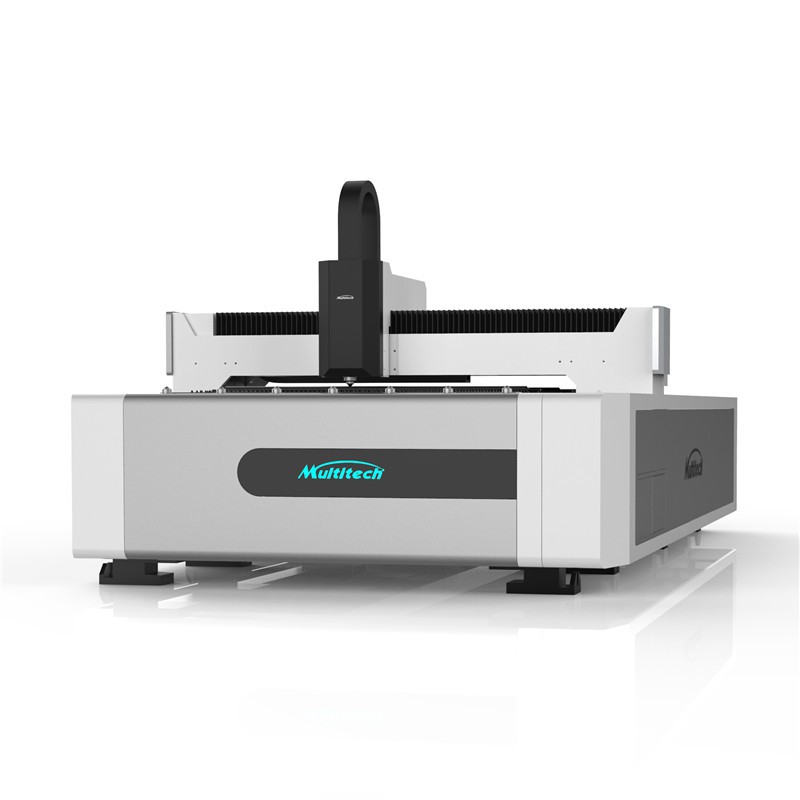
At our company, we are committed to providing Laser Metal Cutters that are not only high - performance but also environmentally friendly. Our Steel Sheet Laser Cutting Machine is designed with advanced technology to ensure high - precision cutting and minimize waste. The machine features a narrow kerf width, which reduces the amount of scrap metal generated during the cutting process. It also has a built - in fume extraction system that effectively captures dust and fumes, protecting the health of operators and the environment.
Our Sheet Metal Laser Cutting Machine is suitable for a wide range of sheet metal materials. It is equipped with intelligent control systems that can optimize the cutting parameters according to the material and part design, reducing the formation of slag and improving the cutting quality. This results in less post - processing waste and higher productivity.
In addition, our CNC Laser Cutting Machines are integrated with advanced nesting software. This software can automatically generate the most efficient cutting patterns, maximizing material utilization and minimizing scrap metal. With our CNC Laser Cutting Machines, businesses can achieve significant cost savings and environmental benefits.
Conclusion
Understanding the waste generation of a Laser Metal Cutter is essential for businesses in the metal cutting industry. By being aware of the types of waste generated, the factors affecting waste generation, and implementing effective waste management strategies, businesses can reduce costs, improve efficiency, and minimize their environmental impact. Our company offers a range of high - quality Laser Metal Cutters that are designed to help businesses achieve these goals.
If you are interested in learning more about our Laser Metal Cutters or discussing your specific cutting requirements, we invite you to contact us for a procurement negotiation. We are ready to provide you with professional advice and customized solutions to meet your needs.
References
- "Laser Cutting Handbook" by John Doe, published by XYZ Publishing
- "Environmental Impact of Metal Cutting Processes" by Jane Smith, Journal of Manufacturing and Sustainability, Volume 10, Issue 2