

Can a laser sheet cutting machine cut ceramic sheets? That's a question I've been getting a lot lately as a supplier of Laser Sheet Cutting Machines. In this blog, I'll dive into this topic, sharing some insights based on my experience in the industry.
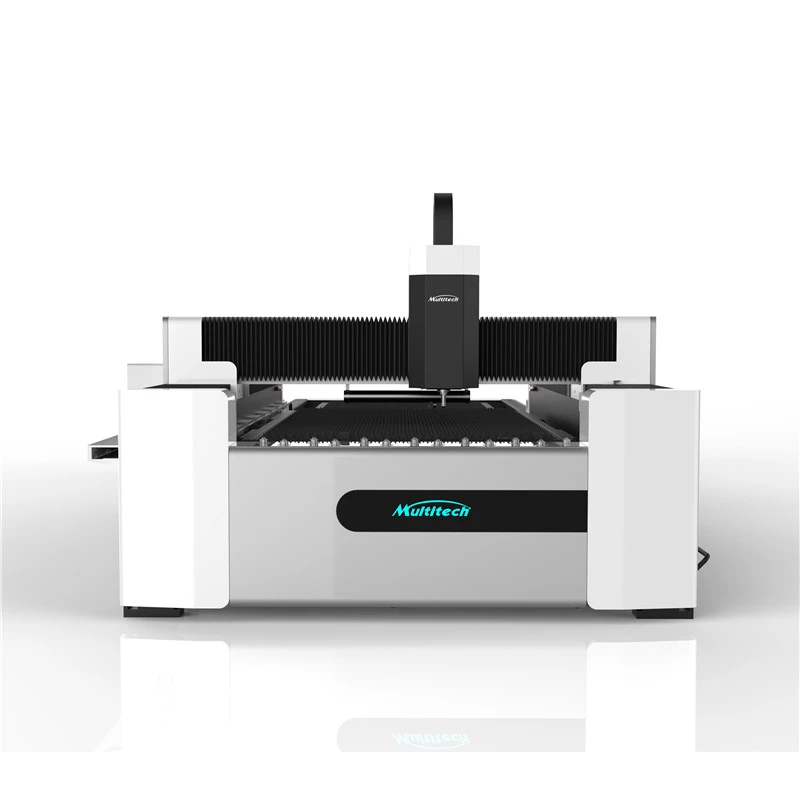
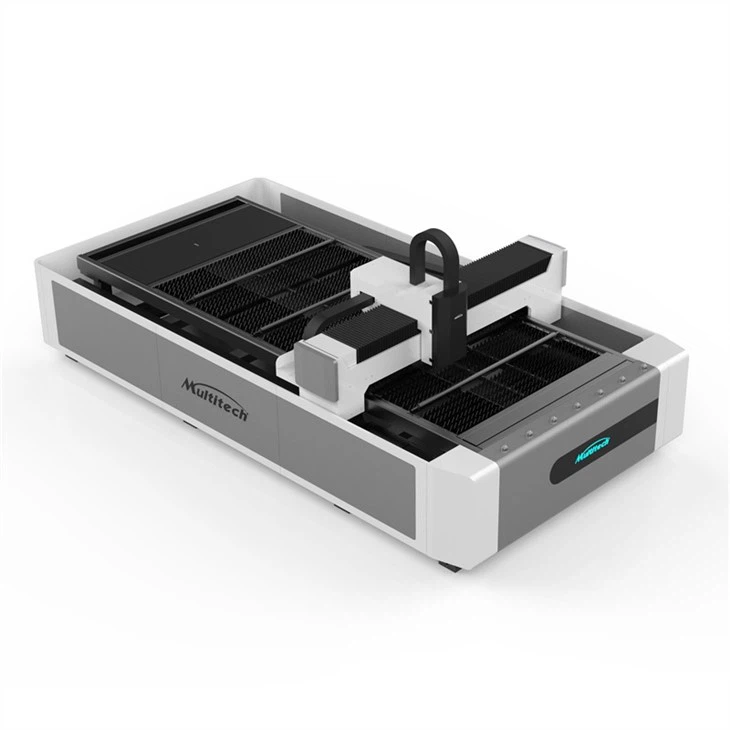
First off, let's understand what a laser sheet cutting machine is. We offer a range of top - notch machines like the Raucus Fiber Laser Cutter, Industrial Fiber Laser Cutting Machine, and Fiber Laser Sheet Metal Cutting Machine. These machines are designed mainly for cutting metal sheets, but the question of cutting ceramic sheets is a valid one.
Ceramics are a bit of a different ballgame compared to metals. They're hard, brittle, and have unique thermal properties. Metals usually have good thermal conductivity, which means the heat from the laser can spread out relatively easily. On the other hand, ceramics have low thermal conductivity. When you try to cut them with a laser, the heat tends to build up in one spot. This can cause a bunch of problems like cracking, chipping, and uneven cuts.
But that doesn't mean it's impossible to cut ceramic sheets with a laser sheet cutting machine. There are a few factors we need to consider.
The type of laser is crucial. Not all lasers are created equal. For cutting ceramics, a pulsed laser can be a better option. Pulsed lasers deliver short bursts of high - energy light. This way, they can break through the ceramic material without overheating it too much. Continuous - wave lasers, which emit a steady stream of light, might generate too much heat and cause the ceramic to crack.
Another important factor is the power of the laser. You need just the right amount of power. If the power is too low, the laser won't be able to cut through the ceramic effectively. It'll be like trying to cut through a thick piece of wood with a butter knife. On the flip side, if the power is too high, it'll cause excessive heat and damage the ceramic. Finding that sweet spot requires some experimentation and knowledge of the specific ceramic material you're working with.
The speed of the cutting process also matters. A slow cutting speed might give the heat more time to accumulate in the ceramic, leading to cracking. A faster speed, on the other hand, can reduce the heat - affected zone. But if it's too fast, the laser might not be able to fully penetrate the ceramic, resulting in an incomplete cut.
Let's talk about the different types of ceramics. There are technical ceramics, which are used in high - tech applications like electronics and aerospace. These ceramics are often very dense and hard. Cutting them with a laser requires even more precision and the right settings. Then there are traditional ceramics, like those used in pottery. These are generally a bit less dense, but still pose challenges when it comes to laser cutting.
In some cases, pre - treatment of the ceramic sheets can help. For example, you can heat - treat the ceramic to make it more resistant to the thermal stress caused by the laser. You can also use cooling techniques during the cutting process. Cooling can help dissipate the heat and prevent cracking. Water - based coolants or air - cooling systems can be used for this purpose.
When it comes to our machines, they're highly customizable. We can adjust the settings of the Raucus Fiber Laser Cutter, Industrial Fiber Laser Cutting Machine, and Fiber Laser Sheet Metal Cutting Machine to try and cut ceramic sheets. Our team of experts can work with you to figure out the best settings for your specific ceramic cutting needs.
Now, let's look at the advantages of using a laser sheet cutting machine for ceramics if it can be done right. One big advantage is precision. Lasers can make very fine cuts, which is great for applications where you need intricate shapes or small parts. For example, in the electronics industry, you might need to cut ceramic substrates with very precise dimensions. A laser can achieve this level of accuracy much better than traditional cutting methods.
Another advantage is the non - contact nature of laser cutting. There's no physical force applied to the ceramic sheet like there is with a saw or a drill. This reduces the risk of mechanical damage to the ceramic. It also means that there's less wear and tear on the cutting tool (in this case, the laser), which can save you money in the long run.
However, there are also some limitations. As I mentioned earlier, the risk of cracking and chipping is high. And the process can be time - consuming, especially when you're trying to find the right settings. Also, the cost of laser cutting ceramics can be relatively high, mainly because of the need for specialized equipment and the time it takes to set up the process.
In conclusion, while it's challenging, a laser sheet cutting machine can cut ceramic sheets. It all depends on the type of laser, the power, the cutting speed, and the properties of the ceramic itself. Our machines, like the Raucus Fiber Laser Cutter, Industrial Fiber Laser Cutting Machine, and Fiber Laser Sheet Metal Cutting Machine, have the potential to be adjusted for ceramic cutting.
If you're interested in exploring the possibility of using our laser sheet cutting machines for your ceramic cutting needs, I encourage you to reach out. We can have a detailed discussion about your requirements, conduct some tests, and see if we can find the best solution for you. Whether you're in the electronics, aerospace, or any other industry that uses ceramics, we're here to help. Don't hesitate to contact us to start a conversation about your procurement and get the best laser cutting solution for your business.
References
- "Laser Processing of Engineering Ceramics" - A technical study on the challenges and techniques of laser - cutting ceramics.
- "Advances in Laser Cutting Technology" - A publication that covers the latest developments in laser cutting for different materials, including ceramics.