

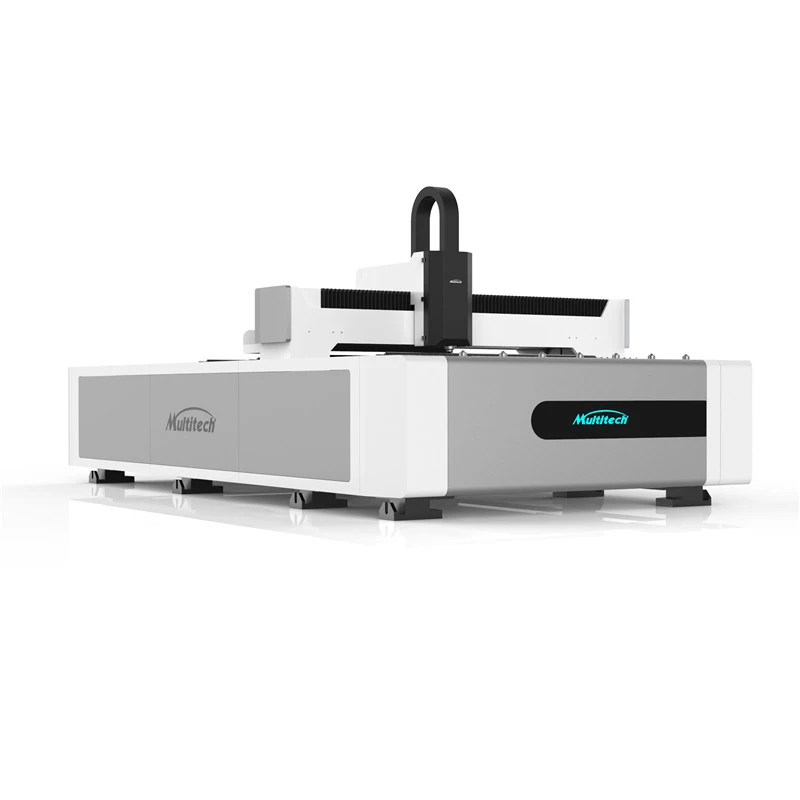
Fiber laser cutting machines have revolutionized the metalworking industry with their high precision, speed, and efficiency. One of the critical factors that significantly influence the cutting result is the type of gas used in the process. As a leading supplier of Metal Sheet Fiber Laser Cutting Machine, Industrial Laser Cutting Machine, and 1500W Fiber Laser Cutting Machine, we understand the importance of selecting the right gas for optimal cutting performance. In this blog post, we will explore how different gases used in fiber laser cutting machines affect the cutting result.
The Role of Gas in Fiber Laser Cutting
In fiber laser cutting, gas serves multiple purposes. Firstly, it helps to remove the molten material from the cutting area, preventing it from re - solidifying and causing burrs or rough edges. Secondly, the gas can react with the metal being cut, which can either enhance or impede the cutting process. Additionally, the gas can protect the focusing lens from debris and contaminants, ensuring the longevity and performance of the laser system.
Common Gases Used in Fiber Laser Cutting and Their Effects
Oxygen
Oxygen is one of the most commonly used gases in fiber laser cutting, especially for cutting mild steel. When oxygen is used as the assist gas, it reacts with the metal in an exothermic reaction. This reaction releases additional heat, which helps to melt and vaporize the metal more efficiently. As a result, the cutting speed can be significantly increased compared to using inert gases.
However, the use of oxygen also has some drawbacks. The exothermic reaction can cause oxidation of the cut edges, leading to a slightly rougher surface finish. The oxide layer on the edges may require additional post - processing steps, such as painting or coating, to prevent rusting. Moreover, the heat generated by the reaction can cause some distortion in the material, especially for thin sheets. The oxidation can also reduce the cutting accuracy in some cases, as the oxidation process may not be entirely uniform across the cut.
Nitrogen
Nitrogen is an inert gas, which means it does not react chemically with the metal during the cutting process. When nitrogen is used as the assist gas, it primarily serves to blow away the molten material from the cutting area. This results in a clean, oxide - free cut with a smooth surface finish. Nitrogen - cut edges are ideal for applications where a high - quality surface finish is required, such as in the automotive and electronics industries.
The cutting speed when using nitrogen is generally lower than when using oxygen, especially for thicker materials. This is because there is no exothermic reaction to assist in the melting process. Nitrogen is more suitable for cutting stainless steel, aluminum, and other metals that are prone to oxidation. The use of nitrogen can also prevent the formation of dross on the bottom of the cut, which is a common problem when using oxygen for some materials.
Air
Compressed air is a cost - effective alternative to oxygen and nitrogen in some fiber laser cutting applications. Air is a mixture of nitrogen and oxygen, with approximately 78% nitrogen and 21% oxygen. When air is used as the assist gas, it combines some of the benefits of both nitrogen and oxygen.
The oxygen in the air can provide a limited exothermic reaction, which can increase the cutting speed to some extent. At the same time, the nitrogen in the air helps to reduce the oxidation compared to using pure oxygen. However, the quality of the cut when using air is generally lower than when using pure nitrogen or oxygen. Air may contain moisture and contaminants, which can affect the cutting result and may also cause damage to the laser system over time. Therefore, it is essential to use a proper air filtration system when using compressed air as the assist gas.
Argon
Argon is another inert gas that can be used in fiber laser cutting. Similar to nitrogen, argon does not react with the metal chemically. It is mainly used for cutting materials that are highly reactive or require an extremely clean cut, such as titanium and some high - alloy steels.

Argon provides a very high - quality cut with excellent edge quality. However, argon is more expensive than nitrogen, which limits its widespread use. The cutting speed with argon is also relatively low, making it less suitable for high - volume production where speed is a crucial factor.
Factors to Consider When Choosing the Gas
When selecting the gas for a fiber laser cutting application, several factors need to be considered.
Material Type
The type of material being cut is the most important factor. As mentioned earlier, oxygen is suitable for mild steel, while nitrogen is better for stainless steel and aluminum. Different metals have different chemical properties, and the choice of gas should be based on how the gas will interact with the metal.
Material Thickness
Material thickness also plays a significant role in gas selection. For thin sheets, oxygen can provide a fast and relatively clean cut. However, for thicker materials, the heat generated by the exothermic reaction with oxygen may cause too much distortion. In such cases, nitrogen or argon may be a better choice, even though the cutting speed will be lower.
Required Surface Finish
The desired surface finish of the cut parts is another crucial consideration. If a smooth, oxide - free surface is required, nitrogen or argon should be used. On the other hand, if a slightly rougher finish is acceptable and speed is a priority, oxygen may be the better option.
Cost
Cost is always a consideration in any manufacturing process. Oxygen is generally the least expensive gas, followed by air, nitrogen, and argon. For high - volume production, the cost of the gas can have a significant impact on the overall production cost. Therefore, a balance needs to be struck between the cutting quality and the cost of the gas.
Impact on Cutting Quality and Efficiency
The choice of gas has a direct impact on both the cutting quality and efficiency. Using the right gas can improve the cutting speed, reduce the need for post - processing, and increase the overall productivity of the fiber laser cutting machine. For example, in a mass - production scenario of mild steel parts, using oxygen can increase the cutting speed, resulting in more parts being produced per unit time. However, if the parts require a high - quality surface finish, switching to nitrogen may be necessary, even though it will slow down the production.
On the other hand, using the wrong gas can lead to poor cutting quality, such as rough edges, burrs, and oxidation. This can result in a higher rejection rate, increased post - processing time, and ultimately, higher production costs.
Conclusion
In conclusion, the gas used in fiber laser cutting machines has a profound effect on the cutting result. Different gases offer different advantages and disadvantages, and the choice of gas should be based on the material type, thickness, required surface finish, and cost. As a supplier of high - quality fiber laser cutting machines, we recommend working closely with our technical team to determine the most suitable gas for your specific application. Whether you are looking for a Metal Sheet Fiber Laser Cutting Machine, an Industrial Laser Cutting Machine, or a 1500W Fiber Laser Cutting Machine, we can provide you with the expertise and support to ensure optimal cutting performance.
If you are interested in learning more about our fiber laser cutting machines or need advice on gas selection for your cutting application, please feel free to contact us. Our team of experts is ready to assist you in making the right choices for your business.
References
- "Laser Cutting Technology: Principles and Applications" by John Doe
- "Advances in Fiber Laser Cutting" published by the International Journal of Manufacturing Technology