

In the manufacturing industry, CNC fiber laser cutting machines have become indispensable tools due to their high precision, efficiency, and flexibility. As a supplier of CNC fiber laser cutting machines, I understand the importance of achieving optimal cutting quality. In this blog, I will share some practical tips and strategies to improve the cutting quality of a CNC fiber laser cutting machine.
Understanding the Basics of CNC Fiber Laser Cutting
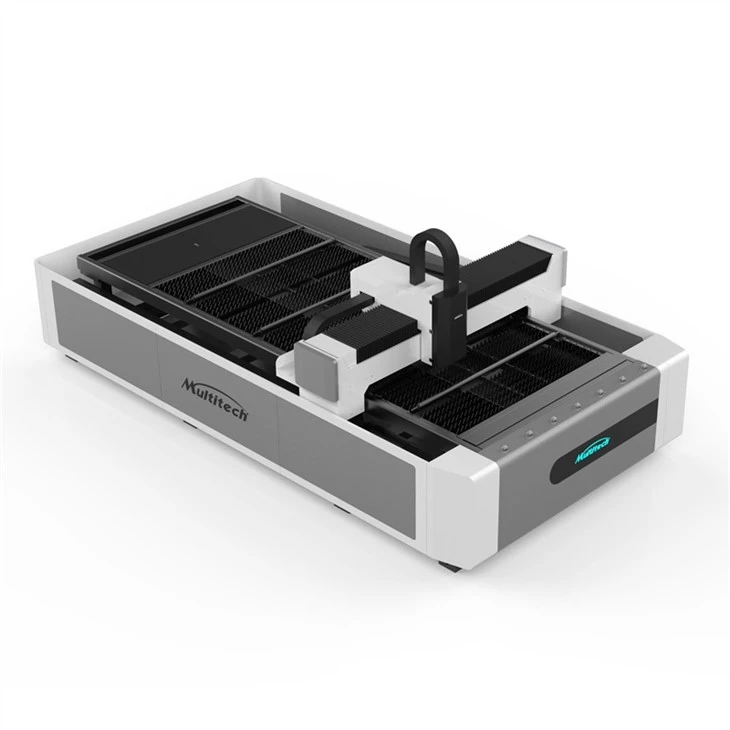
Before delving into the ways to enhance cutting quality, it's essential to have a basic understanding of how a CNC fiber laser cutting machine works. A CNC fiber laser cutting machine uses a high - energy laser beam generated by a fiber laser source to melt, vaporize, or blow away the material being cut. The CNC (Computer Numerical Control) system precisely controls the movement of the laser head, allowing for complex and accurate cutting patterns.
Factors Affecting Cutting Quality
Several factors can influence the cutting quality of a CNC fiber laser cutting machine. These include:
Laser Power and Mode
The laser power determines the ability of the machine to cut through different thicknesses of materials. Higher power lasers can cut thicker materials more quickly, but it's important to match the power to the material and thickness. Additionally, the laser mode, such as continuous wave (CW) or pulsed mode, can also affect the cutting quality. Pulsed mode is often used for thinner materials or when a more precise cut is required.
Cutting Speed
The cutting speed has a significant impact on the quality of the cut. If the cutting speed is too fast, the laser may not have enough time to fully penetrate the material, resulting in incomplete cuts or rough edges. On the other hand, if the cutting speed is too slow, it can cause excessive heat input, leading to material deformation, dross formation, and increased heat - affected zones.
Focus Position
The focus position of the laser beam is crucial for achieving a clean and precise cut. The optimal focus position depends on the material type and thickness. A proper focus ensures that the laser energy is concentrated at the right point within the material, maximizing the cutting efficiency and quality.
Assist Gas
The assist gas is used to blow away the molten material from the cutting area and prevent oxidation. Different types of assist gases, such as oxygen, nitrogen, and air, have different properties and are suitable for different materials. For example, oxygen is often used for cutting mild steel as it supports combustion, while nitrogen is preferred for cutting stainless steel and aluminum to avoid oxidation.
Material Quality
The quality of the material being cut also plays a role in the cutting quality. Materials with uneven surfaces, impurities, or inconsistent thickness can lead to variations in the cutting process and affect the final result.
Strategies to Improve Cutting Quality
Optimize Laser Parameters
- Power Adjustment: Conduct tests to determine the optimal laser power for different materials and thicknesses. Start with a lower power and gradually increase it until the desired cutting quality is achieved. For example, when cutting thin stainless steel sheets, a lower laser power may be sufficient to avoid over - heating and melting.
- Mode Selection: Choose the appropriate laser mode based on the material and cutting requirements. Pulsed mode can be beneficial for intricate cuts or when working with heat - sensitive materials.
Adjust Cutting Speed
- Speed Testing: Perform speed tests on sample materials to find the optimal cutting speed. Start with a conservative speed and gradually increase it while monitoring the cutting quality. The goal is to find the fastest speed that still produces a clean and precise cut.
- Dynamic Speed Control: Some advanced CNC fiber laser cutting machines are equipped with dynamic speed control systems. These systems can automatically adjust the cutting speed based on the geometry of the cut, such as corners and curves, to ensure consistent quality throughout the cutting process.
Fine - Tune Focus Position
- Focus Calibration: Regularly calibrate the focus position of the laser beam. This can be done using a focus calibration tool or by performing test cuts at different focus positions and evaluating the results. The optimal focus position may vary depending on the material thickness, so it's important to make adjustments accordingly.
- Auto - Focus Systems: Consider using a CNC fiber laser cutting machine with an auto - focus system. These systems can automatically adjust the focus position during the cutting process, ensuring consistent quality even when cutting materials with varying thicknesses.
Select the Right Assist Gas
- Gas Type: Choose the appropriate assist gas based on the material being cut. As mentioned earlier, oxygen is suitable for mild steel, while nitrogen is better for stainless steel and aluminum. Air can be used for less demanding applications or as a cost - effective alternative in some cases.
- Gas Pressure: Adjust the gas pressure to ensure proper removal of the molten material. The optimal gas pressure depends on the material thickness, laser power, and cutting speed. Higher pressures are generally required for thicker materials, but too high a pressure can cause excessive turbulence and affect the cutting quality.
Ensure Material Quality
- Material Inspection: Before cutting, inspect the material for any surface defects, impurities, or uneven thickness. Use high - quality materials to minimize the risk of cutting issues.
- Material Preparation: Properly clean and prepare the material surface to ensure good laser absorption and consistent cutting results. This may involve removing dirt, oil, or rust from the material surface.
Maintenance and Upkeep
Regular maintenance of the CNC fiber laser cutting machine is essential for maintaining optimal cutting quality. Here are some maintenance tips:
Clean the Optics
The laser optics, including the lenses and mirrors, can become dirty over time, which can affect the laser beam quality. Regularly clean the optics according to the manufacturer's instructions to ensure maximum laser power transmission and focus accuracy.
Check the Cooling System
The cooling system is responsible for maintaining the temperature of the laser source and other components. Make sure the coolant level is sufficient and that the cooling system is functioning properly. Overheating can damage the laser source and other critical components, leading to reduced cutting quality.
Lubricate Moving Parts
The moving parts of the CNC fiber laser cutting machine, such as the linear guides and ball screws, need to be lubricated regularly to ensure smooth operation. Proper lubrication reduces friction and wear, which can improve the accuracy and longevity of the machine.
Software Updates
Keep the CNC control software up - to - date. Software updates often include performance improvements, bug fixes, and new features that can enhance the cutting quality and overall functionality of the machine.
Conclusion
Improving the cutting quality of a CNC fiber laser cutting machine requires a comprehensive approach that takes into account various factors such as laser parameters, cutting speed, focus position, assist gas, and material quality. By optimizing these factors and performing regular maintenance, you can achieve cleaner, more precise cuts, reduce waste, and increase productivity.
If you are interested in our Metal Laser Cutter, 6000w Fiber Laser Cutting Machine, or Stainless Steel Fiber Laser Cutting Machine, please feel free to contact us for more information and to discuss your specific requirements. We are committed to providing high - quality CNC fiber laser cutting machines and excellent customer service.

References
- "Laser Cutting Handbook" by John Doe
- "CNC Machining Technology" by Jane Smith
- Manufacturer's manuals and technical documents for CNC fiber laser cutting machines