

Hey there! As a supplier of Plasma Cutting Machines, I often get asked about the plasma gas used in these machines. So, I thought I'd put together this blog post to share some insights on what plasma gas is and why it's so important in plasma cutting.

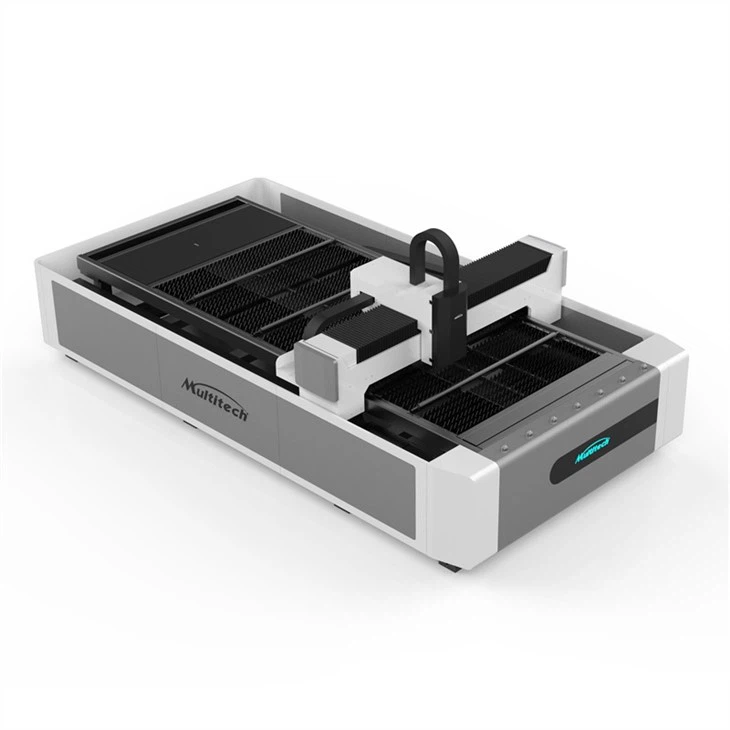
First things first, let's talk about what plasma is. Plasma is often referred to as the fourth state of matter, alongside solid, liquid, and gas. It's basically a superheated, electrically conductive gas that's created when a gas is heated to extremely high temperatures. In a plasma cutting machine, this plasma is used to cut through metal.
So, what kind of gas can be used to create this plasma? Well, there are several options, each with its own advantages and disadvantages. Let's take a closer look at some of the most commonly used plasma gases.
Oxygen
Oxygen is one of the most popular gases used in plasma cutting. It's relatively inexpensive and readily available, making it a cost - effective choice for many users. When used as a plasma gas, oxygen reacts with the metal being cut, creating an exothermic reaction. This reaction helps to increase the cutting speed and can produce a clean, smooth cut.
However, oxygen also has some drawbacks. It can cause oxidation on the cut edges of the metal, which might not be ideal for applications where a high - quality, corrosion - resistant finish is required. Also, oxygen cutting is generally more suitable for mild steel and might not work as well with other metals like stainless steel or aluminum.
Nitrogen
Nitrogen is another commonly used plasma gas. It's a good choice for cutting stainless steel and aluminum because it doesn't cause oxidation like oxygen does. This results in a cleaner cut with less dross (the waste material produced during cutting) on the edges.
Nitrogen also provides a high - quality cut surface, which is great for applications where a smooth finish is important. However, nitrogen is more expensive than oxygen, and the cutting speed might be a bit slower compared to oxygen cutting. You can check out our CNC Plasma Cutter models that are optimized for different plasma gases, including nitrogen.
Argon - Hydrogen Mixtures
Argon - hydrogen mixtures are often used for cutting non - ferrous metals such as copper and brass. These mixtures provide a very high - energy plasma arc, which allows for fast and efficient cutting. The hydrogen in the mixture helps to increase the arc temperature, resulting in better cutting performance.
One of the main advantages of using argon - hydrogen mixtures is the excellent cut quality. They can produce very smooth, clean cuts with minimal dross. However, these mixtures are quite expensive, and hydrogen is a flammable gas, so proper safety precautions need to be taken when using them.
Air
Compressed air is a simple and cost - effective option for plasma cutting. It contains a mixture of nitrogen and oxygen, so it can be used to cut a variety of metals, including mild steel, stainless steel, and aluminum.
The main advantage of using air is its low cost. You don't need to purchase special gas cylinders, as you can use a simple air compressor to supply the air. However, air cutting might not provide the same level of cut quality as using pure gases like nitrogen or oxygen. The cut edges might have more oxidation and dross, and the cutting speed might be slower in some cases.
How to Choose the Right Plasma Gas
Choosing the right plasma gas depends on several factors. The type of metal you're cutting is the most important factor. As we've seen, different gases work better with different metals. For example, if you're mainly cutting mild steel, oxygen might be a good choice. But if you're working with stainless steel or aluminum, nitrogen would be more suitable.
The desired cut quality also plays a role. If you need a high - quality, smooth cut with minimal oxidation, you might want to invest in a more expensive gas like nitrogen or an argon - hydrogen mixture. On the other hand, if cost is your main concern and you can tolerate a slightly lower cut quality, air or oxygen could be the way to go.
The cutting speed is another consideration. Some gases, like oxygen, can provide faster cutting speeds, while others, like nitrogen, might be a bit slower. You need to balance the speed with the quality of the cut based on your specific application.
Our Plasma Cutting Machines and Gas Compatibility
At our company, we offer a wide range of Plasma Cutting CNC machines that are designed to work with different plasma gases. Whether you're using oxygen, nitrogen, air, or an argon - hydrogen mixture, our machines can be adjusted to optimize the cutting performance.
Our CNC Plasma Cutter models come with advanced control systems that allow you to fine - tune the cutting parameters based on the gas you're using. This ensures that you get the best possible cut quality and efficiency, no matter what gas you choose.
Conclusion
In conclusion, the plasma gas used in a plasma cutting machine is a crucial factor that can significantly affect the cutting performance, quality, and cost. There are several options available, each with its own pros and cons. By understanding the characteristics of different gases and considering your specific cutting needs, you can choose the right gas for your plasma cutting application.
If you're in the market for a plasma cutting machine or have any questions about plasma gases and their compatibility with our machines, don't hesitate to reach out. We're here to help you make the best decision for your business. Whether you're a small - scale workshop or a large - scale manufacturing facility, we have the right solution for you. Contact us today to start a conversation about your plasma cutting requirements!
References
- Welding and Cutting Handbook
- Plasma Cutting Technology Manuals