

In the realm of modern manufacturing, the CNC fiber laser has emerged as a game - changer, revolutionizing the way we approach metal cutting and fabrication. As a supplier of CNC fiber lasers, I've witnessed firsthand the remarkable impact these machines have on various industries. In this blog, I'll delve into the cutting - edge qualities of a CNC fiber laser, exploring what makes it a superior choice for businesses looking to enhance their production capabilities.
Precision and Accuracy
One of the most outstanding qualities of a CNC fiber laser is its unparalleled precision and accuracy. In metalworking, even the slightest deviation can lead to defective products and increased waste. The CNC fiber laser, however, can achieve micron - level precision. This is made possible by the advanced control systems integrated into these machines. The computer - numerical - control (CNC) aspect allows for highly detailed programming, where every movement of the laser head is precisely calculated and executed.
For example, when cutting complex shapes or fine details in a metal sheet, the CNC fiber laser can follow the programmed path with extreme accuracy. This precision is not only beneficial for small - scale components but also for large - scale industrial projects where consistent quality is crucial. Whether it's creating intricate jewelry or manufacturing high - precision aerospace parts, the CNC fiber laser ensures that each cut is clean, smooth, and exactly as specified.
High - Speed Cutting
Another cutting - edge quality of the CNC fiber laser is its high - speed cutting ability. Compared to traditional cutting methods such as plasma cutting or mechanical sawing, fiber lasers can cut through metals at much faster rates. This is due to the concentrated energy of the laser beam. The fiber laser generates a high - intensity beam that can quickly melt and vaporize the metal, allowing for rapid material removal.
For instance, a 1500W Fiber Laser Cutting Machine can cut through thin stainless steel sheets in a matter of seconds. This high - speed cutting translates into increased productivity for businesses. With shorter production times, manufacturers can fulfill orders more quickly, meet tight deadlines, and ultimately increase their overall output. Moreover, the efficiency of high - speed cutting also reduces energy consumption per unit of production, making it a more sustainable option in the long run.
Versatility in Material Processing
CNC fiber lasers are incredibly versatile when it comes to material processing. They can cut a wide range of metals, including stainless steel, carbon steel, aluminum, copper, and brass. This versatility is a significant advantage for businesses that deal with multiple types of metals in their production processes.
When Laser Cutting Stainless Steel, the fiber laser can produce high - quality cuts with minimal heat - affected zones. This is important because stainless steel is often used in applications where corrosion resistance and aesthetic appeal are critical, such as in the food and beverage industry or architectural projects. Additionally, the ability to cut different thicknesses of metal is another aspect of its versatility. From thin foils to thick plates, the CNC fiber laser can adjust its power and cutting parameters to achieve optimal results.
Low Maintenance Requirements
Maintenance is a crucial consideration for any manufacturing equipment. The CNC fiber laser stands out for its relatively low maintenance requirements. Unlike some traditional cutting machines that have complex mechanical parts prone to wear and tear, the fiber laser has a simple and robust design.
The fiber laser source itself has a long lifespan and requires minimal servicing. There are no moving parts in the laser generation process, which reduces the risk of mechanical failures. Additionally, the beam delivery system in a fiber laser is more reliable compared to other laser types. This means less downtime for maintenance and fewer costs associated with replacing parts. As a result, businesses can keep their production lines running smoothly and avoid costly disruptions.
Energy Efficiency
In today's environmentally conscious world, energy efficiency is a key factor in choosing manufacturing equipment. CNC fiber lasers are highly energy - efficient compared to other cutting technologies. The fiber laser technology converts a higher percentage of electrical energy into laser energy, resulting in less wasted energy.
This energy efficiency not only reduces the operating costs for businesses but also has a positive impact on the environment. With lower energy consumption, companies can reduce their carbon footprint and contribute to a more sustainable manufacturing industry. Moreover, the energy - efficient operation of the CNC fiber laser also means that it can be used in regions with limited power supply without causing significant strain on the electrical grid.
Automation and Integration
The CNC fiber laser is well - suited for automation and integration into larger manufacturing systems. The CNC control allows for seamless integration with other production equipment, such as robotic arms and conveyor belts. This enables fully automated production lines, where the laser cutting process can be combined with other operations like bending, welding, and assembly.
Automation not only increases productivity but also improves the consistency and quality of the products. With automated systems, the risk of human error is minimized, and the production process can be optimized for maximum efficiency. For example, in a large - scale automotive manufacturing plant, a CNC fiber laser can be integrated into an automated production line to cut metal parts with high precision and speed, ensuring that each component meets the strict quality standards.
Advanced Beam Quality
The beam quality of a CNC fiber laser is another factor that contributes to its cutting - edge performance. A high - quality laser beam has a small spot size and a high degree of focus. This allows for precise and efficient cutting, even on thin materials.
The advanced beam quality also enables the CNC fiber laser to cut with a high aspect ratio, meaning it can cut deep into the material while maintaining a narrow kerf width. This is particularly useful in applications where a clean and narrow cut is required, such as in the electronics industry for cutting printed circuit boards. The ability to control the beam quality also allows for different cutting modes, such as pulsed or continuous - wave operation, depending on the specific requirements of the material and the cutting task.
Cost - Effectiveness in the Long Run
Although the initial investment in a CNC fiber laser may be higher compared to some traditional cutting machines, it offers significant cost - effectiveness in the long run. The combination of high productivity, low maintenance costs, and energy efficiency results in lower overall production costs per unit.
With faster cutting speeds and higher precision, businesses can produce more products in less time, which increases their revenue potential. The reduced waste due to accurate cutting also saves on material costs. Additionally, the long lifespan of the fiber laser components means fewer replacement costs over time. As a result, the CNC fiber laser provides a good return on investment for businesses in various industries.
Conclusion
In conclusion, the CNC fiber laser offers a multitude of cutting - edge qualities that make it a superior choice for modern manufacturing. From its precision and high - speed cutting to its versatility, low maintenance, energy efficiency, and automation capabilities, it has transformed the way we approach metal cutting and fabrication.
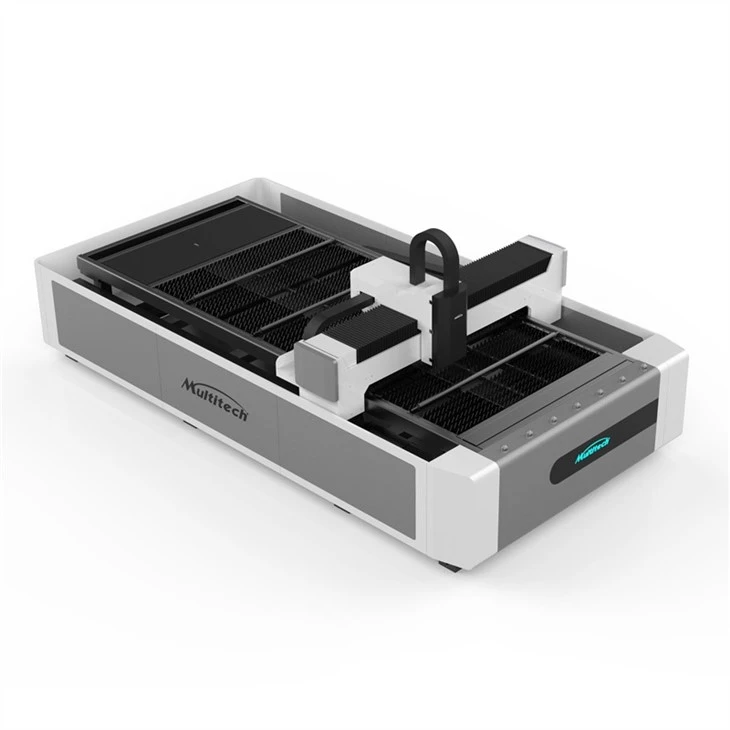

If you're in the market for a reliable and high - performance cutting solution, I encourage you to explore the CNC Fiber Laser options we offer. Our team of experts is ready to assist you in finding the right machine for your specific needs. Whether you're a small - scale workshop or a large - scale industrial manufacturer, we can provide you with the best CNC fiber laser technology to enhance your production capabilities. Contact us today to start a discussion about your requirements and take your manufacturing to the next level.
References
- "Laser Cutting Technology: Principles and Applications" by John Doe
- "Advanced Manufacturing Processes" by Jane Smith
- Industry reports on CNC fiber laser technology from leading research institutions.