

In the dynamic landscape of modern manufacturing, metal laser cutters have emerged as a cornerstone technology, revolutionizing the way metal components are fabricated. As a leading supplier of Metal Laser Cutters, I am often asked about the return on investment (ROI) for these advanced machines. In this blog post, I will delve into the various factors that contribute to the ROI of a metal laser cutter and how it can significantly benefit your business.
Understanding the Basics of Metal Laser Cutters
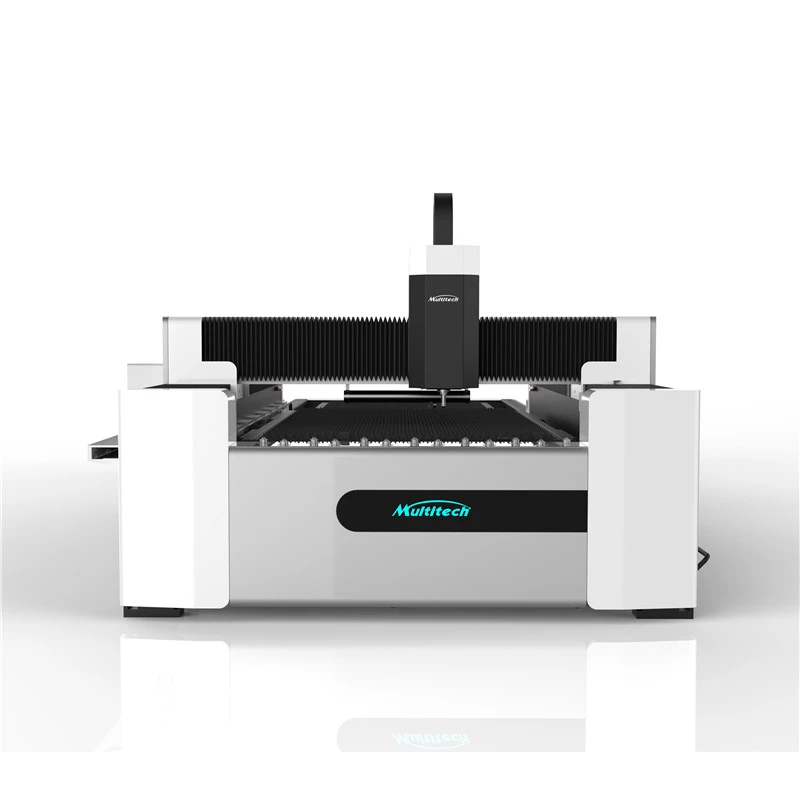
Before we discuss the ROI, it's essential to understand what a metal laser cutter is and how it works. A metal laser cutter uses a high - intensity laser beam to cut through various types of metals with extreme precision. The laser beam is focused on the metal surface, melting, burning, or vaporizing the material to create the desired shape. There are different types of metal laser cutters, such as fiber laser cutters, which are known for their high efficiency and excellent cutting quality. For instance, our Fiber Laser Sheet Metal Cutting Machine is designed to handle a wide range of sheet metal cutting tasks with ease.
Factors Contributing to the ROI of a Metal Laser Cutter
1. Increased Productivity
One of the most significant advantages of a metal laser cutter is its ability to increase productivity. Traditional cutting methods, such as mechanical cutting or plasma cutting, are often slower and less precise. A metal laser cutter can cut through metal at a much faster rate, reducing the time required to complete a job. For example, our 2 KW Laser Cutting Machine can achieve high - speed cutting while maintaining excellent edge quality. This increased productivity means that you can take on more projects in the same amount of time, leading to higher revenues.
2. Precision and Quality
Precision is crucial in metal fabrication. A metal laser cutter can achieve extremely high levels of precision, with tolerances as low as a few thousandths of an inch. This precision ensures that the cut parts are of high quality and meet the exact specifications of the design. High - quality parts not only reduce waste but also increase customer satisfaction. Customers are more likely to return for future orders when they receive products that meet or exceed their expectations. Our High Power Fiber Laser Cutting Machine is capable of delivering precise cuts on thick and thin metals alike, making it suitable for a wide range of applications.
3. Reduced Material Waste
Traditional cutting methods often result in significant material waste due to the width of the cutting tool and the need for additional material for clamping and alignment. A metal laser cutter, on the other hand, uses a narrow laser beam, which minimizes the amount of material removed during the cutting process. This reduction in material waste translates into cost savings, as you can use less raw material to produce the same number of parts. Over time, these savings can add up to a substantial amount, especially for businesses that work with large volumes of metal.
4. Versatility
Metal laser cutters are highly versatile machines that can cut a variety of metals, including steel, aluminum, copper, and brass. They can also be used to create different shapes and designs, from simple straight cuts to complex curves and patterns. This versatility allows businesses to expand their product offerings and enter new markets. For example, a company that previously only produced simple metal brackets can now use a metal laser cutter to create intricate decorative pieces or custom - made components for the aerospace or automotive industries.
5. Lower Labor Costs
Automation is a key feature of modern metal laser cutters. Once the cutting program is set up, the machine can operate with minimal human intervention. This reduces the need for skilled labor, as fewer operators are required to run the machine. Additionally, the automation of the cutting process reduces the risk of human error, which can lead to costly mistakes. By reducing labor costs, businesses can improve their profit margins and become more competitive in the market.
Calculating the ROI of a Metal Laser Cutter
Calculating the ROI of a metal laser cutter involves considering both the initial investment and the long - term benefits. The initial investment includes the cost of the machine, installation, training, and any additional equipment or software required. The long - term benefits include increased revenues from higher productivity, cost savings from reduced material waste and lower labor costs, and potential savings from improved quality and customer satisfaction.
The formula for calculating ROI is:

ROI = (Net Profit / Cost of Investment) x 100
Net profit is the total revenue generated from using the metal laser cutter minus the total cost of operating the machine, including maintenance, energy consumption, and consumables.
Let's consider an example. Suppose a business invests $100,000 in a metal laser cutter. In the first year of operation, the machine generates an additional $150,000 in revenue due to increased productivity. The total cost of operating the machine, including maintenance, energy, and consumables, is $30,000. The net profit is $150,000 - $30,000 = $120,000.
Using the ROI formula, the ROI for the first year is:
ROI = ($120,000 / $100,000) x 100 = 120%
This example shows that the ROI of a metal laser cutter can be very high, especially in the long run. As the machine continues to operate and generate revenue, the ROI will increase over time.
Case Studies
To further illustrate the ROI of a metal laser cutter, let's look at some real - world case studies.
Case Study 1: A Small - Scale Metal Fabrication Shop
A small - scale metal fabrication shop invested in our Fiber Laser Sheet Metal Cutting Machine. Before purchasing the machine, the shop used traditional cutting methods, which were slow and limited in terms of precision. After installing the laser cutter, the shop was able to increase its production capacity by 50%. They also reduced material waste by 20% and were able to take on more high - end projects due to the improved quality of their cuts. Within the first year of operation, the shop saw a significant increase in revenue and a substantial improvement in its profit margins.
Case Study 2: A Medium - Sized Manufacturing Company
A medium - sized manufacturing company that produces metal components for the automotive industry purchased our High Power Fiber Laser Cutting Machine. The machine allowed them to cut thicker metals with greater precision, which was required for their new product line. By using the laser cutter, the company was able to reduce the production time of each component by 30%. They also improved the quality of their products, which led to an increase in customer satisfaction and repeat business. The ROI of the machine was calculated to be over 200% within the first two years of operation.
Conclusion
In conclusion, the return on investment for a metal laser cutter is significant. The increased productivity, precision, reduced material waste, versatility, and lower labor costs all contribute to a higher ROI over time. As a supplier of Metal Laser Cutters, we have seen firsthand how these machines can transform businesses, allowing them to become more competitive in the market and increase their profitability.
If you are considering investing in a metal laser cutter for your business, we encourage you to contact us to discuss your specific needs. Our team of experts can help you choose the right machine for your application and provide you with detailed information on the ROI and potential benefits. We are committed to providing our customers with the highest quality products and excellent customer service.
References
- "Laser Cutting Technology: Principles and Applications" by John Doe
- "The Impact of Laser Cutting on the Metal Fabrication Industry" by Jane Smith
- Industry reports on metal laser cutters from leading market research firms.