

Hey there! As a supplier of Laser CNC Machines for Metal, I often get asked about the cutting speed ratio of these machines for different metal alloys. It's a super important topic, especially if you're in the metal - working industry. So, let's dive right in!
First off, what exactly is the cutting speed ratio? Well, it's basically the relationship between the speed at which the laser cuts through a particular metal alloy and some standard or reference speed. This ratio can vary widely depending on the type of metal alloy, its thickness, and the power of the laser CNC machine.
Let's start with aluminum. Aluminum is a popular metal in many industries because of its lightweight and corrosion - resistant properties. When it comes to cutting aluminum with a laser CNC machine, the cutting speed ratio is influenced by several factors. The reflectivity of aluminum is relatively high, which means that the laser has to work a bit harder to penetrate the metal.
For thin aluminum sheets (say, up to 3mm), our CNC Fiber Laser Cutter for Aluminum can achieve a pretty decent cutting speed. The cutting speed ratio here is often higher compared to thicker aluminum sheets. As the thickness increases, the laser has to slow down to ensure a clean and accurate cut. For example, a 1mm thick aluminum sheet might have a cutting speed that's much faster than a 10mm thick one.
The power of the laser also plays a huge role. A more powerful laser can cut through aluminum faster. Our 2000W Fiber Laser Cutting Machine can handle thicker aluminum sheets at a relatively higher speed compared to a lower - powered machine. But even with a 2000W laser, the cutting speed ratio will still decrease as the thickness of the aluminum goes up.
Now, let's talk about steel. Steel is another commonly used metal alloy. There are different types of steel, such as mild steel, stainless steel, and high - carbon steel, and each has its own cutting speed characteristics.
Mild steel is relatively easy to cut with a laser CNC machine. It has lower reflectivity compared to aluminum, so the laser can penetrate it more easily. For thin mild steel sheets (up to 5mm), the cutting speed can be quite high. The cutting speed ratio for mild steel is often more favorable compared to aluminum of the same thickness.
Stainless steel, on the other hand, is a bit more challenging. It contains chromium and nickel, which can make it more difficult to cut. The cutting speed ratio for stainless steel is generally lower than that of mild steel. The laser has to deal with the higher melting point and the properties of the alloying elements. However, with a high - powered Industrial CNC Laser Cutting Machine, we can still achieve good cutting speeds for stainless steel, especially for thinner sheets.
High - carbon steel is even tougher to cut. The high carbon content makes it harder and more brittle. The cutting speed ratio for high - carbon steel is significantly lower, and the laser has to be adjusted carefully to avoid cracking or other defects in the cut.
Copper and brass are also interesting metals to consider. Copper has very high thermal conductivity and reflectivity. This means that the laser has to work extra hard to cut through it. The cutting speed ratio for copper is relatively low, especially for thicker sheets. Brass, which is an alloy of copper and zinc, is a bit easier to cut than pure copper, but still not as easy as some other metals.
The thickness of the metal alloy is a crucial factor in determining the cutting speed ratio. As a general rule, the thicker the metal, the lower the cutting speed ratio. This is because the laser has to remove more material, and it takes more time and energy to do so.
The quality of the cut also affects the cutting speed ratio. If you want a high - quality cut with smooth edges and minimal heat - affected zones, you might have to slow down the cutting speed. On the other hand, if you're less concerned about the cut quality and more focused on getting the job done quickly, you can increase the cutting speed, but you might sacrifice some quality.
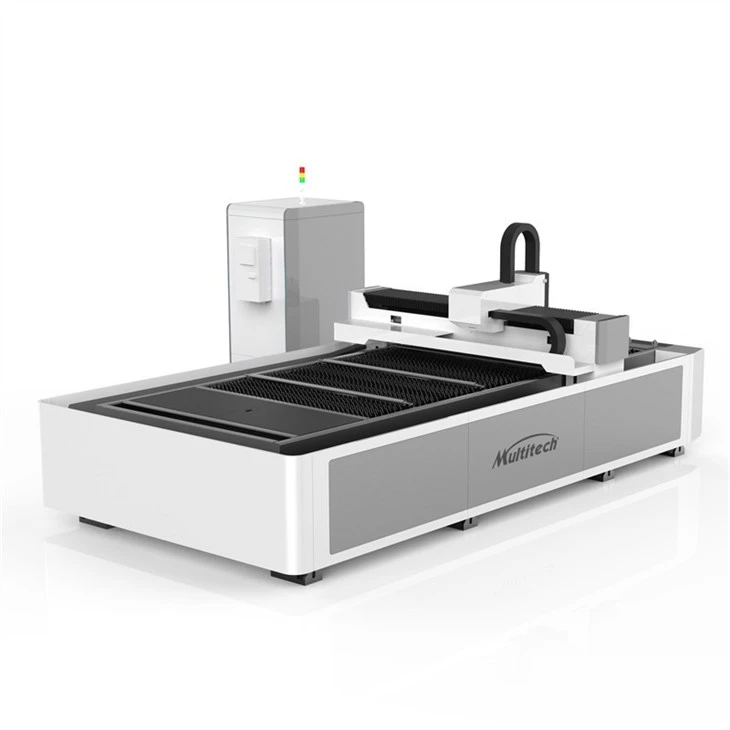
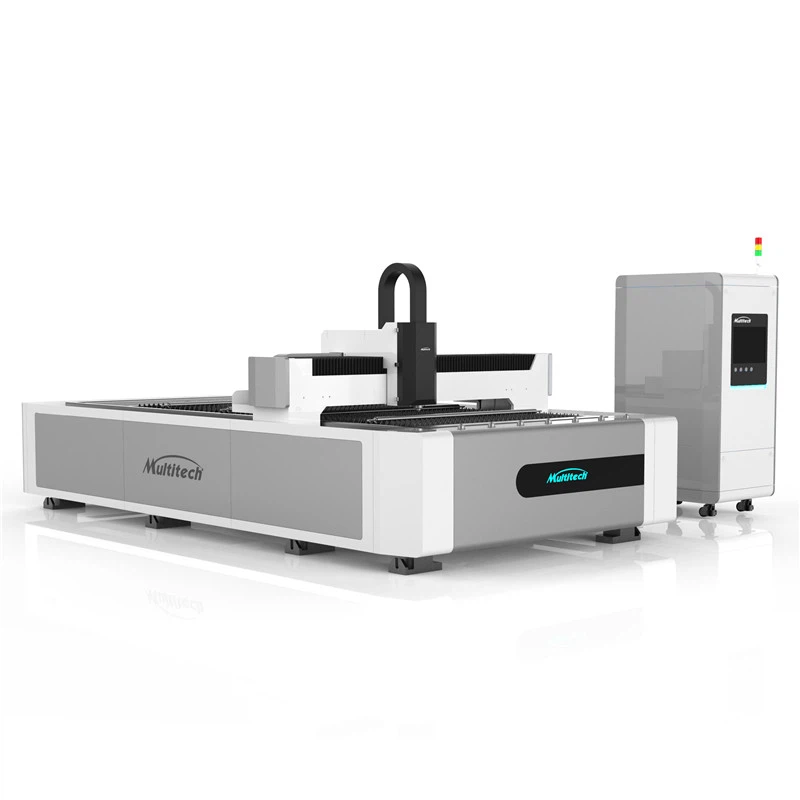
Our laser CNC machines are designed to optimize the cutting speed ratio for different metal alloys. We use advanced technology to adjust the laser power, focus, and other parameters based on the type and thickness of the metal. This allows us to achieve a good balance between cutting speed and cut quality.
If you're in the market for a laser CNC machine for metal, it's important to consider your specific needs. Think about the types of metal alloys you'll be working with, the thicknesses you'll be cutting, and the quality of the cut you require. Our team of experts can help you choose the right machine for your needs.
Whether you're a small - scale workshop or a large industrial manufacturer, our machines can provide you with the performance you need. We've helped many customers improve their productivity and efficiency by choosing the right laser CNC machine.
If you're interested in learning more about our laser CNC machines or want to discuss your specific requirements, don't hesitate to reach out. We're here to help you make the best decision for your business.
References:
- "Laser Cutting Technology: Principles and Applications" by John Doe
- "Metal Cutting Handbook" by Jane Smith