

When it comes to the gas consumption of a 30001500mm fiber laser cutter during the cutting process, it's a topic that piques the interest of many in the manufacturing and metal - working industries. As a supplier of 30001500mm Fiber Laser Cutters, I've witnessed firsthand the significance of understanding gas consumption for businesses aiming to optimize their production costs and efficiency.
The Role of Gas in Fiber Laser Cutting
In fiber laser cutting, gases play multiple crucial roles. Firstly, they help to remove the molten metal from the cutting area, ensuring a clean and smooth cut. Secondly, certain gases can enhance the cutting quality and speed, depending on the material being cut. Commonly used gases in fiber laser cutting include oxygen, nitrogen, and compressed air.
Oxygen
Oxygen is often used when cutting mild steel. It reacts with the metal in an exothermic reaction, which provides additional energy to the cutting process. This reaction helps to melt the metal more effectively and speeds up the cutting speed. However, the gas consumption of oxygen can be relatively high, especially when cutting thicker materials. For a 3000*1500mm fiber laser cutter, the oxygen consumption rate can vary depending on the laser power, cutting speed, and the thickness of the material. Generally, for a 1 - 2mm thick mild steel sheet, the oxygen consumption might be around 5 - 10 liters per minute. As the thickness increases to 5 - 10mm, the consumption can rise to 15 - 25 liters per minute.
Nitrogen
Nitrogen is mainly used for cutting stainless steel, aluminum, and other non - ferrous metals. It creates an inert atmosphere around the cutting area, preventing oxidation and producing a clean, oxide - free cut surface. The gas consumption of nitrogen is usually lower than that of oxygen when cutting similar thicknesses of materials. For a 3000*1500mm fiber laser cutter cutting 1 - 2mm thick stainless steel, the nitrogen consumption could be approximately 3 - 8 liters per minute. When cutting 5 - 10mm thick stainless steel, the consumption may range from 10 - 20 liters per minute.
Compressed Air
Compressed air is a cost - effective alternative for cutting thin materials. It can be used for both ferrous and non - ferrous metals. The gas consumption of compressed air depends on the air pressure and the cutting parameters. For a 3000*1500mm fiber laser cutter, when cutting 1 - 2mm thick materials, the compressed air consumption might be around 10 - 20 cubic feet per minute (CFM).
Factors Affecting Gas Consumption
Material Thickness
As mentioned earlier, material thickness has a significant impact on gas consumption. Thicker materials require more energy to cut through, which often means higher gas flow rates. For example, a 3000*1500mm fiber laser cutter cutting a 20mm thick mild steel plate will consume far more oxygen than when cutting a 2mm thick plate.
Cutting Speed
The cutting speed also affects gas consumption. A higher cutting speed usually requires a higher gas flow rate to ensure that the molten metal is effectively removed from the cutting area. If the cutting speed is too high and the gas flow rate is insufficient, the cut quality may deteriorate, resulting in rough edges or incomplete cuts.
Laser Power
Higher laser power can increase the cutting speed and the ability to cut thicker materials. However, it also generally requires a higher gas flow rate to support the cutting process. A 3000*1500mm fiber laser cutter with a higher laser power, say 6000W, will consume more gas than a similar - sized cutter with a 2000W laser power when cutting the same material thickness.
Measuring and Controlling Gas Consumption
To accurately measure gas consumption, flow meters can be installed in the gas supply lines of the fiber laser cutter. These flow meters can provide real - time data on the gas flow rate, allowing operators to monitor and adjust the gas consumption according to the cutting requirements.
Controlling gas consumption is crucial for reducing production costs. One way to control gas consumption is to optimize the cutting parameters. By adjusting the cutting speed, laser power, and gas flow rate, operators can find the optimal combination that achieves the desired cut quality while minimizing gas consumption. For example, when cutting a specific material thickness, reducing the cutting speed slightly may allow for a lower gas flow rate without sacrificing too much cut quality.
Our 3000*1500mm Fiber Laser Cutters and Gas Consumption
At our company, we understand the importance of gas consumption in the fiber laser cutting process. Our 3000*1500mm fiber laser cutters are designed with advanced technology to optimize gas consumption. We use intelligent control systems that can automatically adjust the gas flow rate according to the cutting parameters, such as material thickness and cutting speed. This not only helps to reduce gas consumption but also ensures consistent cut quality.
Our Industrial Laser Cutting Machine is equipped with high - precision flow meters and control valves, which allow for accurate measurement and control of gas consumption. The Raucus Fiber Laser Cutter is another model that offers excellent performance in terms of gas efficiency. It uses a unique gas delivery system that distributes the gas evenly across the cutting area, reducing waste and improving the overall cutting efficiency.
For those who need to cut tubes, our Fiber Laser Cutting Machine for Tube Cutting is also designed to optimize gas consumption. It has a specialized cutting head and gas supply system that can adapt to the unique requirements of tube cutting, ensuring that the gas is used effectively.
Conclusion
Understanding the gas consumption of a 3000*1500mm fiber laser cutter is essential for businesses in the metal - working industry. By knowing the factors that affect gas consumption and how to measure and control it, companies can reduce their production costs and improve their overall efficiency.

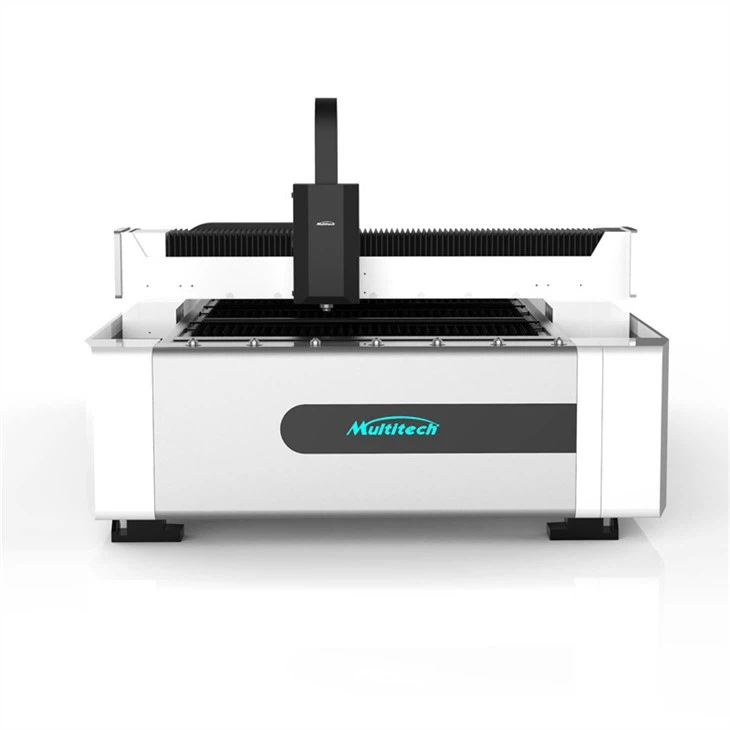
If you are interested in our 3000*1500mm fiber laser cutters and want to learn more about their gas consumption and other features, we welcome you to contact us for a detailed discussion. We are committed to providing high - quality laser cutting solutions that meet your specific needs.
References
- "Laser Cutting Technology Handbook"
- Industry reports on fiber laser cutting machine performance and gas consumption.