

Hey there! As a supplier of Steel Laser Cutters, I've seen firsthand how crucial the cooling system is in these machines. In this blog, I'm gonna break down why the cooling system is so important in a steel laser cutter and how it impacts the overall performance.
The Basics of a Steel Laser Cutter
Before we dive into the cooling system, let's quickly go over what a steel laser cutter does. A steel laser cutter uses a high - intensity laser beam to cut through steel sheets with precision. It's an incredibly efficient way to create complex shapes and designs on steel, and it's widely used in industries like manufacturing, automotive, and construction.
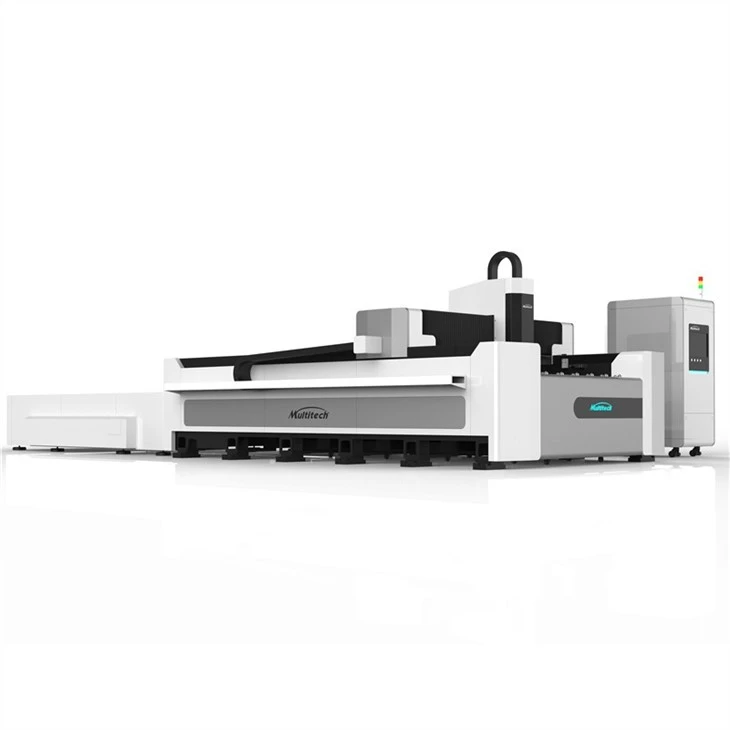
We offer different types of steel laser cutters, such as the Laser Sheet Cutting Machine, high power fiber laser cutter, and Industrial Fiber Laser Cutting Machine. Each of these machines has its own unique features, but they all rely on a well - functioning cooling system.
Why Cooling Systems are a Big Deal
1. Protecting the Laser Source
The laser source is the heart of a steel laser cutter. It generates the high - energy laser beam that does the cutting. When the laser source operates, it produces a significant amount of heat. If this heat isn't properly managed, it can cause damage to the laser source.
High temperatures can lead to thermal stress, which can warp or crack the components of the laser source. This not only reduces the lifespan of the laser source but also affects the quality of the laser beam. A damaged laser source may produce a less focused or weaker beam, resulting in poor cutting performance. The cooling system helps maintain a stable temperature for the laser source, ensuring its longevity and consistent performance.
2. Maintaining Optimal Cutting Performance
Temperature variations can have a direct impact on the cutting quality. When the machine overheats, the steel being cut may experience uneven expansion and contraction. This can lead to inaccuracies in the cut, such as rough edges, burrs, or even incorrect dimensions.
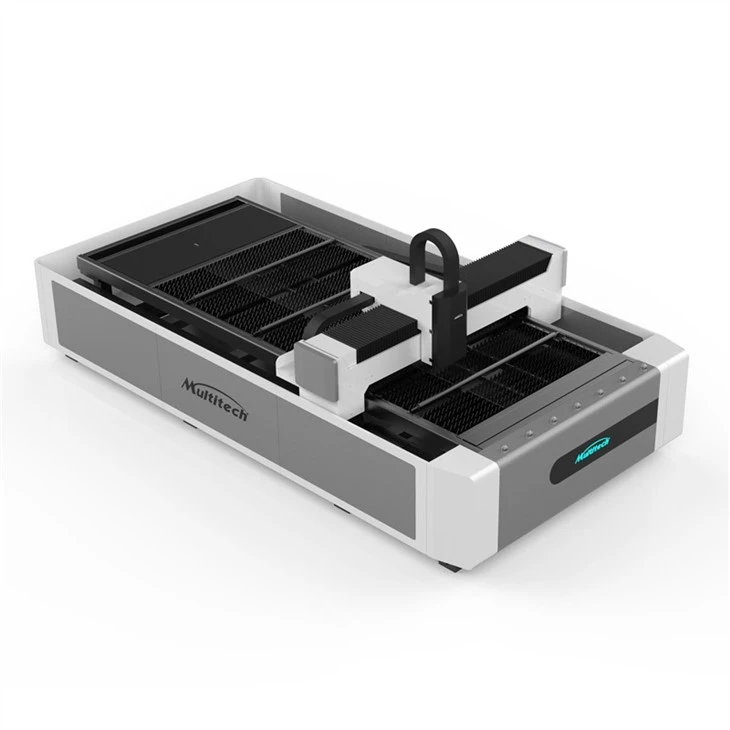
A good cooling system keeps the temperature of the cutting area stable. This ensures that the steel is cut precisely as intended, with smooth edges and accurate dimensions. Whether you're cutting thin sheets or thick plates, a well - cooled laser cutter can deliver consistent results, which is essential for meeting the high - quality standards of various industries.
3. Preventing Component Damage
Apart from the laser source, other components in a steel laser cutter are also sensitive to heat. The lenses, mirrors, and electronic controls can all be affected by high temperatures. Lenses and mirrors can become distorted due to thermal expansion, which can cause the laser beam to deviate from its intended path.
Electronic controls can malfunction when they get too hot, leading to issues with the machine's operation. For example, the control system may misinterpret commands, causing the cutter to make incorrect cuts or stop working altogether. The cooling system helps protect these components by dissipating the heat and keeping them within their optimal operating temperature range.
4. Improving Energy Efficiency
When a steel laser cutter is overheating, it has to work harder to maintain its performance. This means it consumes more energy, which can significantly increase operating costs. A properly functioning cooling system helps the machine operate more efficiently by reducing the heat - related stress on the components.
By keeping the temperature in check, the laser cutter can operate at its peak efficiency, using less energy to achieve the same cutting results. This not only saves money on energy bills but also makes the machine more environmentally friendly.
Types of Cooling Systems in Steel Laser Cutters
There are mainly two types of cooling systems used in steel laser cutters: air - cooled and water - cooled.
Air - Cooled Systems
Air - cooled systems are relatively simple and cost - effective. They use fans to blow air over the hot components, dissipating the heat into the surrounding environment. These systems are suitable for smaller laser cutters or those with lower power requirements.
The advantage of air - cooled systems is that they are easy to install and maintain. They don't require a complex plumbing system like water - cooled systems. However, they are not as efficient at removing heat as water - cooled systems, especially for high - power laser cutters.
Water - Cooled Systems
Water - cooled systems are more commonly used in high - power steel laser cutters. They use a water circulation system to transfer heat away from the components. The water absorbs the heat and then passes through a heat exchanger, where the heat is dissipated into the air or a separate cooling medium.

Water - cooled systems are much more efficient at cooling than air - cooled systems. They can handle the high heat loads generated by high - power lasers, ensuring stable operation even during long - term use. However, they are more complex and require regular maintenance, such as checking the water level, water quality, and the condition of the heat exchanger.
Maintaining the Cooling System
To ensure the cooling system in your steel laser cutter works effectively, regular maintenance is essential. Here are some tips:

- Check the Coolant Level: Whether it's water in a water - cooled system or refrigerant in some advanced cooling systems, make sure the coolant level is always within the recommended range. Low coolant levels can lead to overheating.
- Clean the Filters: If your cooling system has filters, clean or replace them regularly. Clogged filters can restrict the flow of air or water, reducing the cooling efficiency.
- Inspect the Pipes and Hoses: Look for any signs of leaks, cracks, or blockages in the pipes and hoses of the cooling system. Damaged pipes can cause coolant to leak, which can lead to component damage due to overheating.
- Monitor the Temperature: Keep an eye on the temperature of the components being cooled. If you notice a significant increase in temperature, it could be a sign of a problem with the cooling system.
Conclusion
As you can see, the cooling system in a steel laser cutter is super important. It protects the laser source, maintains cutting performance, prevents component damage, and improves energy efficiency. Whether you're in the market for a Laser Sheet Cutting Machine, a high power fiber laser cutter, or an Industrial Fiber Laser Cutting Machine, understanding the role of the cooling system is crucial.
If you're interested in learning more about our steel laser cutters or have any questions about the cooling system, feel free to reach out to us for a purchase consultation. We're here to help you find the best solution for your needs.
References
- Laser Cutter Technology Handbook
- Industrial Laser Applications Research Reports