

When it comes to the world of metal fabrication, the question of what is the maximum thickness of metal that a 3000*1500mm Metal Laser Cutter can cut is one that frequently arises. As a supplier of these advanced machines, I am well - versed in the factors that influence this critical aspect of laser cutting performance.
Understanding the Basics of Laser Cutting
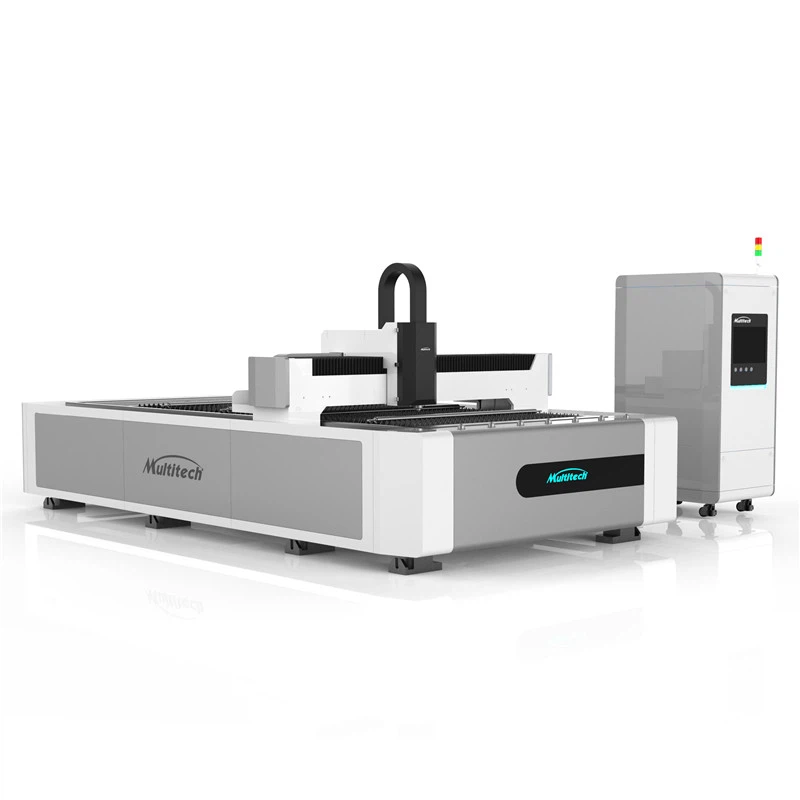
Before delving into the maximum cutting thickness, it's essential to understand how a metal laser cutter works. A laser cutter uses a high - intensity laser beam to melt, burn, or vaporize the metal, leaving a clean and precise cut. The 3000*1500mm refers to the working area of the machine, which provides a relatively large space for processing metal sheets. This size is popular in the industry as it can accommodate a wide range of metal parts and projects.
Factors Affecting the Maximum Cutting Thickness
Several factors come into play when determining the maximum thickness of metal that a 3000*1500mm Metal Laser Cutter can cut.
Laser Power
The most significant factor is the laser power. Generally, the higher the laser power, the thicker the metal it can cut. Our machines are available with different laser power options, ranging from a few kilowatts to tens of kilowatts. For instance, a machine with a 3 - kilowatt laser can typically cut mild steel up to around 10 - 12mm thick. As the power increases to 6 kilowatts, the cutting thickness for mild steel can reach approximately 20mm. With a 10 - kilowatt laser, we can cut mild steel up to 30mm or more. However, it's important to note that as the thickness increases, the cutting speed will decrease.
Metal Type
Different metals have different physical properties, which greatly affect the cutting process. For example, stainless steel is more difficult to cut than mild steel due to its higher melting point and different thermal conductivity. A 3000*1500mm Metal Laser Cutter with a 6 - kilowatt laser might cut mild steel up to 20mm thick, but for stainless steel, the maximum thickness could be around 15mm under the same conditions. Aluminum is another challenging metal to cut. It has high reflectivity and thermal conductivity, which means that even with a high - power laser, the maximum cutting thickness for aluminum is usually lower compared to steel.
Cutting Gas
The type of cutting gas used also impacts the cutting performance. Oxygen is commonly used for cutting thick mild steel. It reacts with the metal during the cutting process, releasing additional energy and helping to blow away the molten metal. Nitrogen, on the other hand, is used for cutting stainless steel and aluminum. It provides a clean cut and prevents oxidation on the cut surface. The choice of gas and its pressure can significantly affect the maximum cutting thickness and the quality of the cut.
Focusing System
The focusing system of the laser cutter is crucial for concentrating the laser beam onto the metal surface. A well - designed focusing system can ensure that the laser energy is accurately delivered to the cutting point, allowing for efficient cutting of thicker metals. Our machines are equipped with advanced focusing systems that can be adjusted according to the thickness and type of metal being cut.
Real - World Applications and Maximum Thickness
In real - world applications, the maximum cutting thickness requirements vary depending on the industry.
Automotive Industry
In the automotive industry, thin - to medium - thickness metals are commonly used. Our 3000*1500mm Metal Laser Cutter can easily handle the cutting of parts made from 2 - 6mm thick steel sheets, which are used for body panels, brackets, and other components. The high precision of laser cutting ensures that the parts fit together perfectly during the assembly process.
Construction Industry
The construction industry often requires the cutting of thicker metals. For structural components such as beams and columns, our machines with higher - power lasers can cut steel up to 20 - 30mm thick. This allows for the efficient production of large - scale construction parts with precise dimensions.
Electronics Industry
In the electronics industry, thin metals such as copper and aluminum foils are used for making printed circuit boards and other components. Our laser cutters can accurately cut these thin metals, with a maximum thickness of around 1 - 2mm, ensuring high - quality and precise parts.
Comparing with Other Machines
When comparing our 3000*1500mm Metal Laser Cutter with other cutting machines, the laser cutter offers several advantages. Traditional mechanical cutting methods, such as sawing and shearing, may not be able to achieve the same level of precision, especially when cutting complex shapes. Waterjet cutting can cut very thick metals, but it is slower and more expensive to operate. Our laser cutters provide a good balance between cutting thickness, speed, and precision.
Our Product Range and Performance
As a supplier, we offer a range of 3000*1500mm Metal Laser Cutters to meet different customer needs. Our machines are designed with the latest technology and high - quality components to ensure reliable performance. We have Steel Laser Cutter models that are specifically optimized for cutting steel, providing excellent cutting quality and efficiency. Our Industrial CNC Laser Cutting Machine series is suitable for large - scale industrial production, with high - power lasers and advanced control systems. And our Dual Table Laser Metal Cutting Machine allows for continuous operation, reducing downtime and increasing productivity.
Conclusion
In conclusion, the maximum thickness of metal that a 3000*1500mm Metal Laser Cutter can cut depends on multiple factors, including laser power, metal type, cutting gas, and focusing system. Our machines offer a wide range of cutting capabilities, from thin - gauge metals for the electronics industry to thick - section metals for construction applications. If you are in the market for a high - quality metal laser cutter, we encourage you to reach out to us for a detailed discussion about your specific requirements. Whether you need to cut thin or thick metals, we have the solution to meet your needs. Contact us today to start the procurement negotiation process and take your metal fabrication business to the next level.

References
- "Laser Cutting Technology: Principles and Applications" by John Doe
- "Metal Fabrication Handbook" by Jane Smith
- Industry reports on metal laser cutting machines from various research institutions.