
Jinan Itech Machinery - a Professional Sheet and Tube Laser Cutting Machine Manufacturer
Founded in 2003, we are a high-tech enterprise integrating R&D, design, production, maintenance and marketing. We have a high level of professionalism and service system.
Variety of Products
We can provide customers with fiber laser cutting machines, plasma cutting machines, metal plate laser cutting machines, plate and pipe laser cutting machines, pipe laser cutting machines, enclosed fiber laser cutting machines and other products. They can be used for cutting a variety of plates and pipes.
Rich Market Experience
Our products are sold to more than 120 countries and regions including the United States, Canada, Australia, Europe, Southeast Asia, and Africa. At the same time, we have provided OEM services to more than 30 manufacturers.
Professional Service
We provide 24-hour service, 365 days a year, including design, installation, training and maintenance. We provide pre-sales and mid-sales services in a one-to-one model by professional sales managers. For after-sales service, we also have English-speaking engineers in a one-to-one model.
Multiple Honors
In 2013, our company was awarded the title of "Advanced Woodworking Machinery Manufacturing Enterprise" by the China Machinery Industry Association. In 2016, we were rated as "Service Star of International Trade Industry" by Shandong Provincial International Trade Organization.
-

Plate And Tube Fiber Laser Cutting Machine
1. Working area: 1500x3000mm, optional:1300x2500mm,1500x3000mm,1500x6000mm,etc.. 2. Pipe diameter: Add to Inquiry -
Plate and Pipe Fiber Laser Cutting Machine
1. Pipe diameter: 20-400mm, Pipe length: 3m/4m/6m. 2. Laser generator: Max,Raycus and IPG. 3. Guide Add to Inquiry -
20000W Fiber Laser Cutting Machine
1. Working area: 1500x3000mm, optional:1300x2500mm,1500x3000mm,1500x6000mm,etc.. Round tube max Add to Inquiry -
Sheet Metal and Tube Fiber Laser Cutting Machine
1. Pipe diameter: 20-400mm, Pipe length: 3m/4m/6m. 2. Guide rail Taiwan HIWIN. 3. AC servo motor & Add to Inquiry -
Plate and Tube Fiber Laser Cutting Machine
1. Working area: 1500x3000mm, optional:1300x2500mm,1500x3000mm,1500x6000mm,etc.. 2. Pipe diameter: Add to Inquiry -
Tube Fiber Metal Laser Cutting Machine
1. Working area: Pipe diameter: 20-400mm, Pipe length: 3m/4m/6m. 2. Laser generator: Max,Raycus and Add to Inquiry -
Plate Tube Laser Cutting Machine
Machine can be used to process plane materials and various pipes. It has multiple uses, greatly Add to Inquiry -
CNC Fiber Laser 1000w
It is the preferred equipment for batch processing of metal materials. The whole machine adopts a Add to Inquiry -
Fiber Laser Cutter for Tube
The front and rear are equipped with fully automatic electric and pneumatic chuck, which can clamp Add to Inquiry -
Fiber Laser Cutting Machine for Metal Sheet
Support different types of pipes intelligently,The problem of long pipe deformation is solved. Add to Inquiry


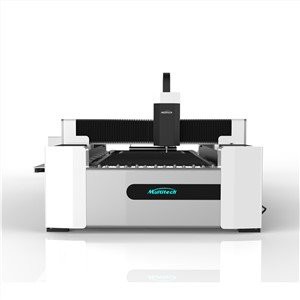


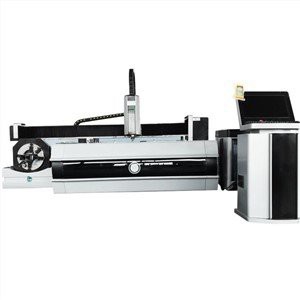

Brief Introduction to Sheet and Tube Laser Cutting Machines
Sheet and tube laser cutting machine is versatile as it combines sheet cutting and tube cutting in one. Its advantages in cost-effectiveness, efficiency, productivity, precision and automation make it ideal for streamlining manufacturing processes, saving money and improving overall operational efficiency. Due to its unique advantages in metal processing technology, sheet and tube laser cutting machines have gradually replaced traditional cutting methods and are becoming more and more commonly used in the cutting process.

Several Core Components of Sheet and Tube Laser Cutting Machines
1.Fiber Laser
Laser is the core "power source" of laser equipment. Like the car engine, it is also a relatively expensive part of the fiber laser cutting machine. Currently, imported fiber laser brands on the market include German IPG, Rofin, British SPI, etc. With the development of science and technology, more and more emerging laser brands are emerging and gradually gaining market recognition for their high cost performance.
2.Cutting Head
The cutting head is the laser output device of the fiber laser cutting machine and consists of a nozzle, focusing lens and focus tracking system. The cutting head of the laser cutting machine travels according to the set cutting trajectory, but the height of the laser cutting head needs to be adjusted and controlled according to different materials, thicknesses and cutting methods.
3.CNC System
The control system is the main operating system of the fiber laser cutting machine. It mainly controls the movement of the machine tool in the X, Y, and Z axes, and at the same time controls the output power of the laser. Its quality determines the stability of the fiber laser cutting machine's working performance. Through precise control of the software, cutting accuracy and cutting effects can be effectively improved.
4. Motor
The motor of the laser cutting machine is the core part of the motion system. The performance of the motor directly affects the processing effect and production efficiency of the product. Currently commonly used motors include stepper motors and servo motors.
● Stepper Motor: fast start-up speed, sensitive response, suitable for less demanding engraving and cutting processes.
● Servo Motor: fast speed, smooth movement, high load, stable performance, smooth cutting edge, fast cutting speed, high price, suitable for industries and products with high processing requirements.
5. Machine Tools
Sheet and tube laser cutting machines place high demands on machine tool stability. High-precision and high-stability machine tools help improve the accuracy of laser cutting. Popular machine tools on the market include gantry type, cantilever type, beam type, etc. Different machine tools have different functions. They are mainly used for material cutting in large manufacturing companies, and can also be used for model cutting in specific fields, such as 3D fiber laser cutting, which is mainly used in the automotive industry.
6. Laser Lenses
Many optical devices have laser lenses. Different lenses have different functions, including full mirrors, half mirrors, focusing mirrors, etc. The quality of the lens directly affects the output power of the laser and the performance of the entire machine.
Features of Sheet and Tube Laser Cutting Machines

01
Versatility
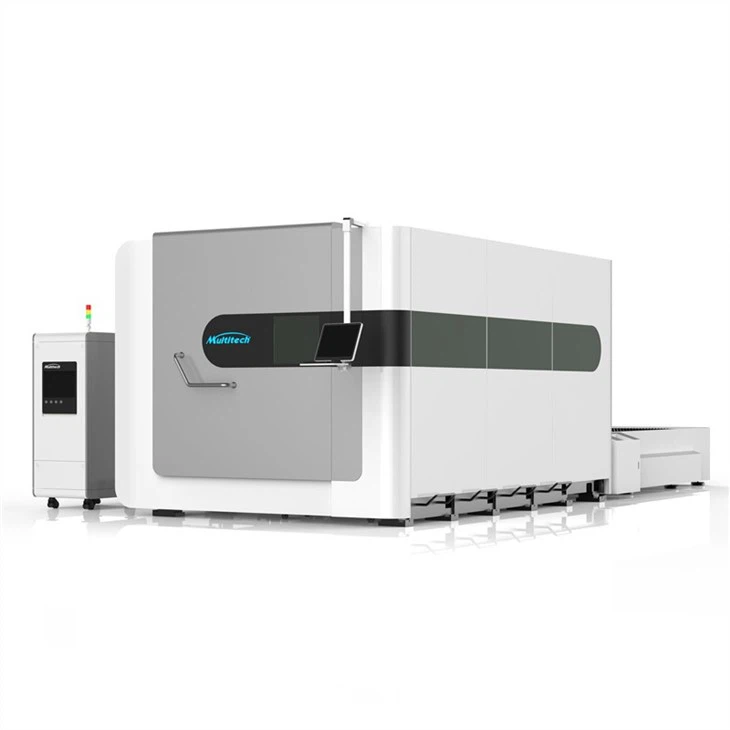
Sheet and board laser cutting machines can cut sheet and tubing, making them a versatile option for a variety of applications. This adaptability reduces the need for different machines, lowers equipment costs and frees up space in manufacturing plants.

02
Improve Efficiency
With a sheet and plate laser cutting machine, you can switch between sheet and tube cutting operations without having to make manual adjustments or change tools. This saves time while improving overall manufacturing efficiency.
03
Precision and Accuracy
Fiber laser cutting technology ensures clean and precise cutting of sheets and tubes. This reduces material waste and improves cut quality.

04
Cost-effectiveness
By combining sheet and tube cutting capabilities into one machine, you save capital and operating expenses. You only need to invest in and maintain one piece of equipment, resulting in long-term cost savings.
Advantages of Sheet and Tube Laser Cutting Machines
01/
High Precision and Accuracy
Laser cutting is known for its exceptional precision and accuracy. The laser beam can achieve complex cuts and shapes with minimal deviation, ensuring the high quality of the final part. Generally speaking, parts can be laser cut to tolerances within 0.2mm. The high precision of laser cutting is especially valuable in industries where tolerances are critical, such as aerospace, electronics and medical devices.
02/
Material Versatility
Sheet and tube laser cutting machines can handle a variety of metal materials, including stainless steel, aluminum, mild steel, alloys and specialty metals. This versatility allows manufacturers to meet different project requirements without changing tooling, reducing setup time and costs. It is also available in a variety of thicknesses, making it a versatile option for different applications.
03/
Cutting Flexibility
The laser cutting process is extremely versatile and flexible. A single laser cutter can perform a variety of cutting tasks, including simple cuts, complex cuts with intricate details, marking, drilling, and even engraving. Therefore, users do not need to constantly change tools during the process.
04/
Speed and Efficiency
Once programmed, the material can be cut by sheet and tube laser cutting machines in seconds, much faster than plasma or waterjet cutting processes. High cutting speed, fast piercing and kerf width shorten production cycle and increase output.
05/
Low Power Consumption
Unlike other cutting equipment, sheet and tube laser cutting machines do not require moving different parts of the equipment. This allows them to cut materials while consuming minimal energy. While a laser cutter may require up to 10kW of energy, most other operations may require up to five times that amount. At the same time, low power consumption also makes them more economical.
06/
Contactless Process
Unlike mechanical cutting methods, laser cutting is a non-contact process. This reduces the risk of material contamination and eliminates the need for tool wear, thus minimizing maintenance and replacement costs.
Applications of Sheet and Tube Laser Cutting Machines
Industrial Applications
Sheet and tube laser cutting machines are widely used in industrial fields including manufacturing, medical, automotive, engineering, construction, etc. The equipment is suitable for cutting parts with high precision and quality requirements, such as sheet metal, pipes, tubes, gears, brackets, flanges, fittings, valves, implants, instruments, tools, molds and dies.
Art Field
Laser cutting is also popular in art fields such as design, architecture, fashion, jewelry, crafts, decorations, etc. This is because sheet and tube laser cutting machines can be used to create or enhance a variety of works of art that require creativity and aesthetics, such as sculptures, paintings, accessories, jewelry, and more.
Interior Design
Cutting sheet metal with a sheet and tube laser cutting machine is an excellent option for making room dividers, which can help improve the overall look of a room and create more space. Harness the precision of laser cutting and the creativity of a manufacturer to give your room the custom look you want.
Aerospace Industry
The aerospace industry is one of the most important users of laser cutting technology due to its high dimensional accuracy. Most aircraft parts, as well as other equipment such as metal detectors, trolleys, conveyor belts, etc., undergo some cutting operations during the manufacturing process. Sheet and tube laser cutting machines are excellent cutting tools.
7 Criteria for Choosing a Sheet and Tube Laser Cutting Machine
With the common criteria already widely discussed on the web including laser power, work area, axis acceleration and price, in this article we will focus on the 7 additional assessment criteria for choosing a sheet laser cutting system that can have a fundamental impact on return on investment.These selection criteria may help you define in greater detail the ideal laser cutting system for your production.
Ease of Use
A good interface can make the difference with any operator.
The usability of a laser cutting machine allows you to more efficiently perform programming and maintenance and reduce operator training time. Today, in fact, the development of process technologies and the continuous turnover of operators, require that the learning curve for laser machine is as steep as possible. Only in this way can the new operator achieve the highest level of efficiency in the shortest possible time. When evaluating a new laser cutting system, for example, make sure that the control interface is simple and intuitive. In particular, we recommend human-machine interfaces that have the following characteristics:
*allow you to start a new production with just a few steps;
*are similar to the interfaces of other machines used in the workshop;
*are equipped with a database of laser cutting parameters specific for the most common metal materials;
*provide support and quick consultation during common plant maintenance operations.
Laser Cutting Head with Sensors
To have a consistent cut quality the machine must always operate in the best conditions. The cutting head is the heart of a laser cutting machine and the value of this component is essential to ensure the good quality of the parts produced. Along with the rapid growth in power of the sheet laser cutting systems, cutting head technology has also developed rapidly, integrating sensors and motorized optical systems managed by the machine’s CNC. With high powers it is essential to have a cutting head able to automatically adjust the focus position and diameter of the laser beam during cutting, in order to provide ideal cutting speed and quality on different materials and thicknesses. Furthermore, to ensure cutting quality over time, the head should have a set of sensors able to monitor pressure, temperature and humidity. The operator can only then know in real time the state of cleanliness of the protective window and replace it when necessary.
Automation and Scalability
A laser cutting system that evolves with your company can help you to take the first step into this technology. As production volumes increase or new production requirements arise, it may become necessary to integrate the existing sheet laser cutting system with automatic systems for loading sheets and unloading processed parts from the pallet changer or with an automatic sheet magazine with one or more towers.
Assist Gases
Laser cutting with compressed air can save you money. Air is almost entirely made of the two gases used in laser cutting: Oxygen and Nitrogen, that is why, if properly treated, it can be used as service gas of unlimited availability and may represent an excellent solution to save money, both in aluminum and construction steel laser cutting. Many producers of laser cutting systems therefore provide the possibility to equip the machines with specific kits for laser cutting with compressed air that include all the accessories necessary for pressurization and filtering. If you are considering this solution, we recommend that you verify the quality of the air treatment devices as the purity of the generated gas directly correlates to the cleanliness of the optical path of the system.
Interconnection
ERP, production analysis, system monitoring, etc.: there are many functionalities that can support you in everyday decisions. In an increasingly dynamic market, production processes need to be able to rapidly adapt to production changes. The key to success is therefore the availability and exchange of information between the machines and the management system. During the evaluation of a sheet laser cutting system, we suggest you also carefully evaluate its potentialities in terms of connection to the company ERP system, remote monitoring of production statistics and automatic notification of the machine and production status. These functionalities, together with a high level of automation, will allow you to be faster in production changeover, keep your work constantly under control and streamline the production flow from design to production.
Plant Versatility
Cutting both tubes and sheet metals with the same machine may prove to be an important advantage, especially for small batches. If you deal with job shop, a “hybrid” laser cutting system, able to cut both tube and sheet metal, can offer an important competitive advantage, especially when production volumes do not justify the purchase of two dedicated systems. In many other cases, it may be advisable to focus on one technology only and make the most of its performance or choose a sheet laser cutting system that is designed to add tube laser cutting at a later date.
Experience of the Manufacturer
Choosing a new machine also means choosing the partner that will help you throughout its life cycle. We suggest you choose a manufacturer with years of experience in this technology that can ensure the quality of the system and of the after-sales service. Here are some criteria that may help you make the right choice:
*presence in your area;
*tailored after-sales services;
*a manufacturer easy to talk with.
What Materials Can be Cut Using Sheet and Tube Laser Cutters?
One of the significant benefits of laser cutting is accuracy and precision. A narrow and concentrated beam ensures the highest level of accuracy. And no, laser cutting does not damage or disfigure your material. The whole process is non-contact. The focused beam only affects a small area, so the rest of the area is not damaged. Consider the thickness of the material and the complexity of the design you want to create before cutting it. Depending on the material, the laser cutter's power and speed settings will vary. Always check with the laser cutter manufacturer for particular material recommendations that will perform best with your machine. While there are some materials you should never use, the following list provides plenty of options.
1. Wood
One of the most popular laser cutting materials is wood. Novices commonly use a laser cutter for wood. Even professionals cut out pieces, engrave gifts, and carve out detailed designs. A thinner piece will work better if you're cutting all the way through. Most wood forms can be laser cut, including plywood and MDF (medium-density fiberboard). Avoid wood with oils or resin because they can catch fire.
2. Plastic and Acrylic
You can create some beautiful pieces of art by laser cutting acrylics. Banners, jewellery, sculptures, artwork, and more can all be made with plastic and acrylic materials. Acrylics come in a greater range of colours and textures than wood. When laser cut, they all leave a beautiful finish. The edges melt in such a way that they appear to be polished. All plastics release toxins, so make sure you have adequate ventilation. Vinyl-type plastics are particularly hazardous and emit dangerous fumes. Those fumes can ruin the laser cutter's optics and damage the device.
3. Foam
Foam is light and inexpensive, making it ideal for prototyping and models. It is well suited to laser-cutting for luggage inserts, padding, and seals. You can also use them for children's projects. However, laser cutting foam is not the best option, although it can be done. Foam has the disadvantage of melting readily and catching fire. Therefore, you have to monitor it continually. However, cutting through foam with a knife is very easy, so that would be the safer option if you can.
4. Leather and Textile
Once you are familiar with the process, you can try laser-cutting leather. It is a pricey material, but the result is stunning. Wallets, belts, bags, accessories, and artwork are all possible. Always properly fasten the leather to avoid warping. Textile cutting with a laser cutter is a sort of digital embroidery. You may achieve similar results in a fraction of the time. While leather is one material, others include cotton, nylon, silk, and polyester. Compared to traditional production methods, the technology allows for the creation of digital embroidery, which saves time and money.
5. Cardboard
Cardboard is one of the most cost-effective and easiest materials to laser cut. Corrugated, grey, and cellulose are the most common options. For handicrafts and model building, grey and cellulose are the finest choices. Cardboard is quite environmentally friendly. It's made of recycled, recyclable, and biodegradable materials. On the other hand, cardboard has a low resistance to dampness and fire unless it is treated specifically.
6. Glass
Since glass is fragile and has reflective qualities, laser cutting it may seem challenging. Although it is difficult, it is possible to slice glass with a laser cutter. However, only skilled operators should attempt it because of the material's reflecting nature. Additionally, for glass cutting, the laser cutter would also require robust cooling systems.
7. Metal
Most people think of metal cutting when they think about laser cutting in an industrial context. Almost any metal may be sliced using a laser cutter. But the most common metals cut using this method are iron, carbon steel, mild steel, stainless steel, steel alloys, and aluminium. Sometimes metal cutting can be tricky. Ideally, you should use metals of 0.06" thickness or thinner if you want to cut entirely through the metal. Otherwise, the metal may be warped by CO2-based laser cutters.
Important Note: Never laser cut anything without first conducting a comprehensive study on the substance, as some materials (particularly plastics) might emit toxic gases. When laser cutting, remember to always be careful and utilise the correct safety equipment. For the ideal settings for each material, consult your laser cutter's manual.
Some Tips for Making Parts Using Sheet and Tube Laser Cutting Machines
If you're looking for ways to maintain laser cutting accuracy and quality specifications, follow these guidelines.
1. Choose the Right Material
Material selection is critical to any manufacturing process. The material you choose for your part depends on the properties you want in the end product. Metal sheets and pipes such as aluminum and zinc are both good choices, depending on your needs. Some properties you look for when choosing a material include flexibility, malleability, malleability, rigidity, etc.
2. Remember the Cutting Kerf
Cutting Kerf is the portion of material that is vaporized when the laser beam is focused on the workpiece. When designing a part, cutting kerf must be incorporated into the design.
3. Metal Thickness
Metal thickness is an important factor to consider for laser cutting services. The thicker the metal plate, the less likely it is that the laser will penetrate.
4. Minimum Distance Between Cutting Lines
Adequate spacing is critical for optimal laser cutting results. The minimum distance for laser cutting sheet metal should be equal to the thickness of the material. For example, if you are cutting 2 mm of sheet metal, you should leave 2 mm of space.
5. Suitable File Formats
There are some file formats that are incompatible with the laser cutting machine system software, such as .ai, .step, .eps, etc. Therefore, choosing the right file format helps you program quickly and accurately, ensuring machining accuracy.
Sheet and Tube Laser Cutting Machines Maintenance Guide
General Maintenance
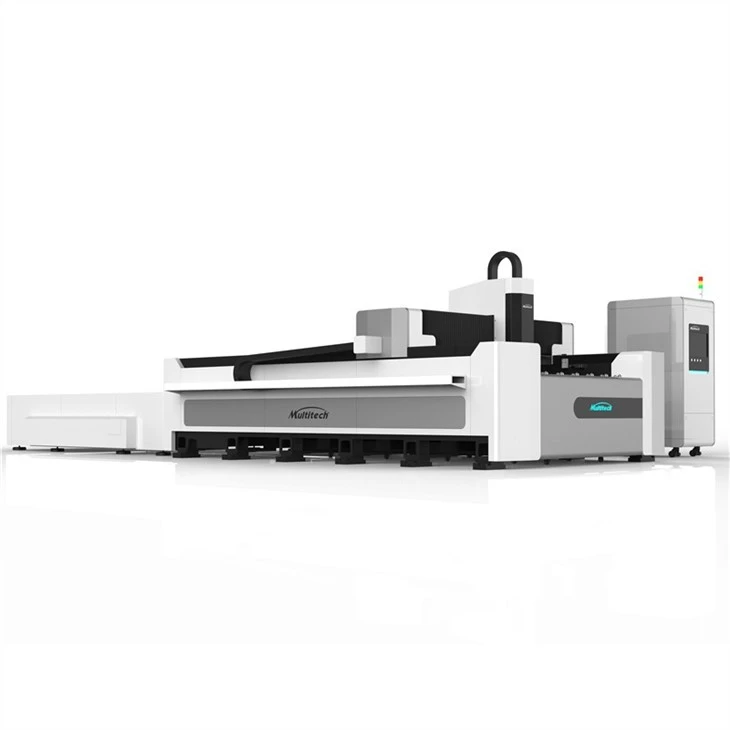
Your sheet and tube laser cutting machine requires general maintenance tasks performed on a regular basis. Dust and debris are inevitable in every machine. However, it is important to minimize buildup by cleaning the machine regularly, especially inside cabinets, beds and anywhere material may collect.

Fan Unit
Some materials, such as acrylic, MDF, emit more smoke, residue and potentially flammable oils, which can affect machine parts and can cause a fire if not managed properly. Be sure to check the extractor fan impeller for dust and debris, as any buildup will impede its function (unless a smoke filter is installed). Regular maintenance of the fan unit is crucial and should be done more regularly when processing materials such as MDF or as the frequency and duration of use increases.

Air-Assist Compressor
Check for proper operation of the air-assisted compressor, including the proper function of the compressor itself. Check for any obstructions in any filter elements that may be present, and check the delivery hose from the compressor to the cutting head to ensure there are no obstructions and a proper air supply is reaching the nozzle. Reducing airflow to the nozzle increases the risk of flames in certain materials when the machine cuts.

Maintaining Chiller
The heat generated by sheet and tube laser cutting machines needs to be regulated. Chillers are an effective way to lower water temperatures to ensure pipes don’t overheat. Therefore, it is important to keep a close eye on your chiller's performance and monitor any temperature indications on your chiller display. Every few weeks, place the filter in the cooler and remove any built-up material. Use this time to check the water for contamination and replace it as needed. Use deionized or distilled water, as impurities in regular water can promote bacterial growth and clog pipes, guards and filters in the water circuit. Also, bleach should not be used under any circumstances as it will destroy the functionality of the device from within.

Maintaining Optics
Dirty optics will reduce beam intensity. You can visually inspect the optics, but you may have noticed poor results such as blurred lines, cuts not being deep enough, etc. If optics are not cleaned, dirt can burn or burn into the surface of the optic, permanently damaging the lens or mirror. Aim to work every 10-40 hours, depending on the material being processed. It's important to clean these parts carefully to avoid damaging them, you can use an IPA solution or acetone and some mild cotton swabs to clean them.

Lubrication
Use light oil to lubricate the runner and the lifting of the bed to ensure that they run smoothly, otherwise, friction will cause wear of the moving parts. Simple visual inspections and monitoring results can help identify performance issues before sheet and tube laser cutting machines are damaged. Testing beam quality is as simple as comparing a cut now to a cut made when the machine was new - a bad cut could indicate poor alignment, a weakened laser tube or dirty optics.

Production Equipment
The picture below is our production equipment:
FAQ
Q: Why use fiber optic sheet and tube laser cutting machines to cut materials?
A: These devices offer huge advantages over other cutting methods. It's fast and cost-effective while providing incredible accuracy.
Q: How accurate are sheet and tube laser cutting machines?
A: These machines are an ideal technology for cutting flat metal as it provides fine precision. A fiber laser cutting line programmed to cut the laser, the width can be as small as 0.3mm. It produces a more precise process than alternative cutting methods such as EDM.
Q: What materials can sheet and tube laser cutting machines cut?
A: It is available in a variety of thicknesses, grades and finishes. From mild steel cutting and aluminum cutting, to brass and copper laser cutting and more.
Q: How do sheet and tube laser cutting machines work?
A: Fiber laser cutting uses a focused high-power density laser beam to irradiate the workpiece, causing the irradiated material to quickly melt, vaporize, ablate or reach the ignition point, while simultaneously blowing out the melted material through a nozzle. The high-speed airflow is coaxial with the beam, and the light spot irradiation position is moved through the CNC mechanical system to achieve thermal cutting of the workpiece.
Q: Are sheet and tube laser cutting machines dangerous to operate?
A: It provides a very environmentally friendly cutting method that generally does no harm to the body. Compared with plasma cutting and oxygen cutting, fiber laser cutting produces less dust, weak light, and low noise. However, if correct safe operating methods are not followed, it may also cause personal injury to the user or damage to the machine.
Q: What materials can’t sheet and tube laser cutting machines cut?
A: Certain materials are not allowed to be cut on a laser cutter, including foam core, any PVC material, and highly reflective materials.
Q: What are the factors that affect the accuracy of tube laser cutting machines?
A: There are many factors that affect laser cutting accuracy. Some are determined by the equipment itself, such as the accuracy of the mechanical system, the vibration level of the workbench, the quality of the laser beam, the influence of the auxiliary gas, etc. Some are inherent factors of the material, such as the physical and chemical properties of the material, the reflectivity of the material, etc.
Q: How to find focus using laser cutting machine?
A: At present, many laser cutting machines have achieved automatic focusing. When processing workpieces of different materials and thicknesses, the machine can quickly and automatically adjust the focus to the most appropriate position.
Q: What are the application areas for sheet and tube laser cutting machines?
A: Because of its wide cutting range, high cutting speed, narrow cutting slit, good cutting quality, and small heat affected zone, it is widely used in automobile manufacturing, kitchenware industry, sheet metal processing, advertising industry, machinery manufacturing and other fields.
Q: How to choose the right sheet and tube laser cutting machine?
A: Choosing the right laser cutting machine depends on different factors, not only considering the current practical application, but also considering the potential needs in the future. Essentially, purchasing a laser cutting machine is not a small investment. This is not only due to the machine itself, but also to many aspects such as labor, maintenance, wearing parts, and technical support during the production process.
Is there any radiation from the sheet and tuber laser cutting machine? If you are engaged in
Q: machine operation for a long time, do you need to wear any protective coat?
A: Laser radiation is mainly harmful for eyes and skin, so the operators should wear protective glasses of the appropriate wavelength. Please note that you can’t look directly at the laser beam at any time.
Q: What are the auxiliary gases for sheet and tube laser cutting machines?
A: Oxygen and nitrogen are the most common. Nitrogen is mainly used for cutting stainless steel, aluminum, brass, etc., and oxygen is mainly used for cutting carbon steel.
Q: Are sheet and tube laser cutting machines expensive?
A: There are differences between different models because its price is affected by many factors, especially by core components such as the laser, laser head, bed, beam, guide rail, and frame.
Q: What common materials can sheet and tube laser cutting machines cut?
A: It can cut stainless steel, carbon steel, alloy steel, silicon steel, spring steel, aluminum, aluminum alloy, galvanized sheet, pickled sheet, copper, silver, gold, titanium and other metal sheets and pipes.
Q: In what industries can sheet and tube laser cutting machines be used?
A: It can be used in manufacturing and processing industries such as sheet metal processing, aerospace, electronics, electrical appliances, automobiles, machinery, precision parts, ships, metallurgical equipment, elevators, household appliances, handicrafts, decoration, advertising, kitchenware processing, etc.
Q: What causes intermittent light on sheet and tube laser cutting machines?
A: It may be that the signal or RF signal given by the board is incorrect. It is recommended to contact our professional after-sales personnel for testing.
Q: What is your pipe cutting solution? Can I use a laser to cut tubing?
A: We have integrated sheet and tube laser cutters for tube and sheet metal cutting as well as professional sheet cutters to choose from. Which one to choose depends on the size, diameter, and type of material.
As one of the most professional sheet and tube laser cutting machine manufacturers and suppliers in China for over 15 years, we're featured by good service and punctual delivery. Please rest assured to buy customized sheet and tube laser cutting machine at competitive price from our factory.
Plate Tube Laser Cutting Machine,